Loading...

Your VR Innovation Partner

Revolutionizing spatial accessibility through high-performance digital twins and interactive 3D environments.
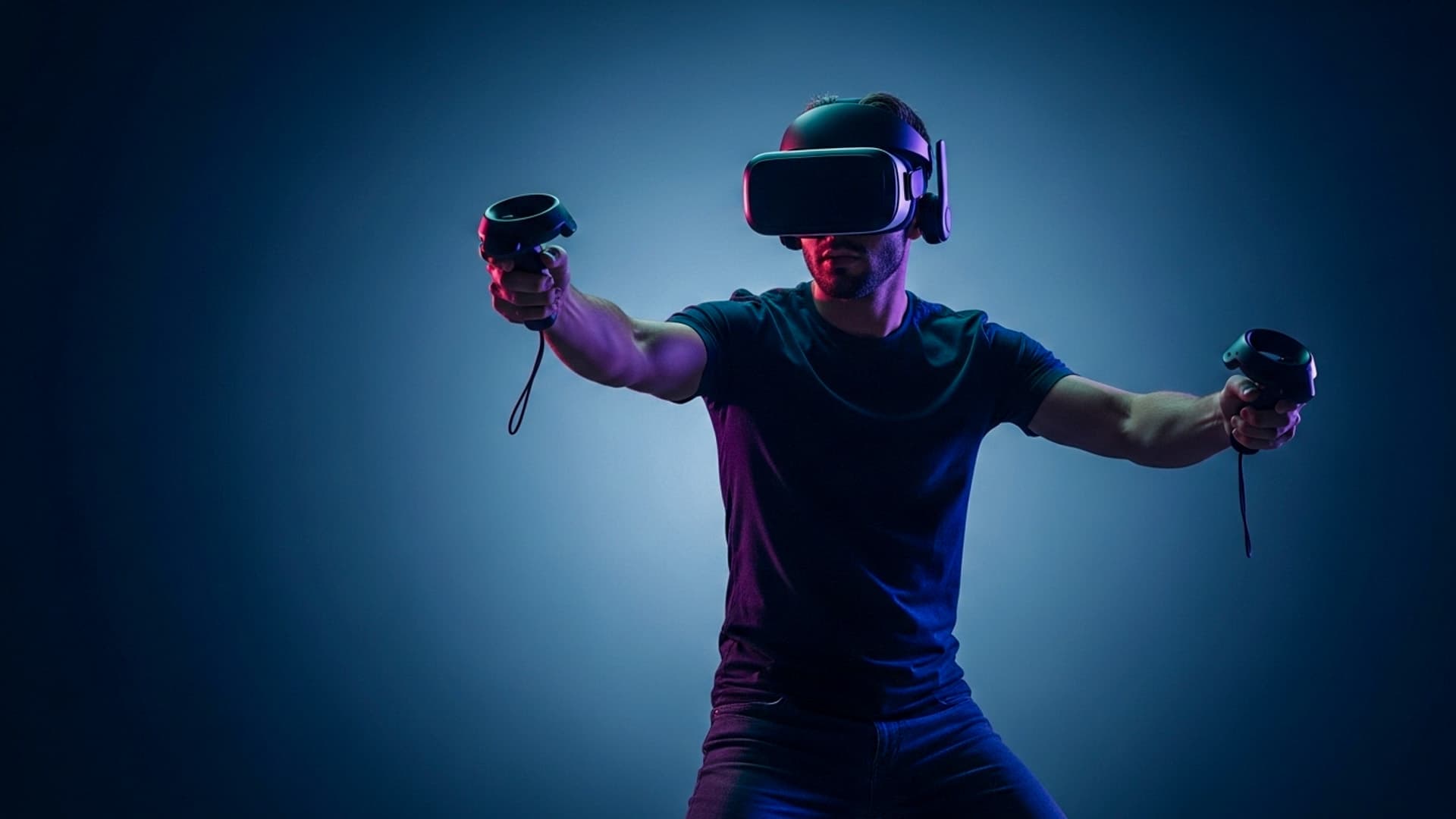
Virtual Tours offer an online simulation of a space or location, accessible via computer, tablet, smartphone, or virtual reality headset.
They provide a convenient way to showcase your business to those unable to visit in person by creating a digital tour that can be viewed from anywhere in the world at any time.
Total visual immersion with high-dynamic-range panoramic capture.
Navigate through spaces intuitively with interactive 'teleport' anchors.
Accessible via computer, tablet, smartphone, or VR headset.
Showcase your business to those unable to visit in person.
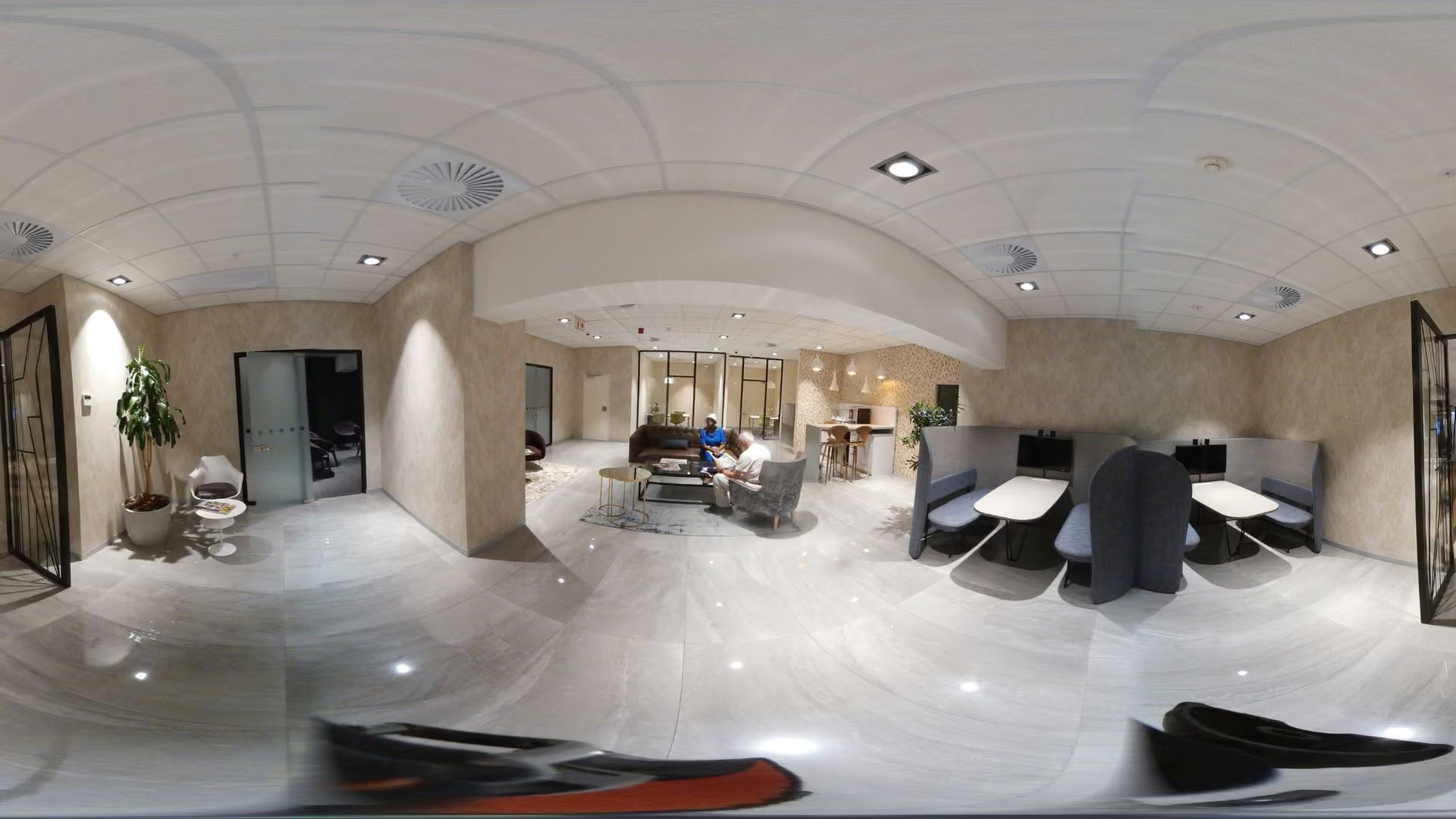
"Capturing the essence of physical space through precision 8K rendering and spatial data."
Capturing high-resolution 360° data points across the entire location with precision and accuracy.
Seamlessly merging imagery into a cohesive, navigable spatial environment.
Adding interactive elements and navigation anchors for user engagement.
Optimizing for web, mobile, and VR headsets for seamless global accessibility.

DSLR Virtual Tours deliver exceptional image quality, making them perfect for projects requiring high levels of detail and precision. These tours capture sharp, high-resolution images, ensuring that every intricate detail is clearly visible.
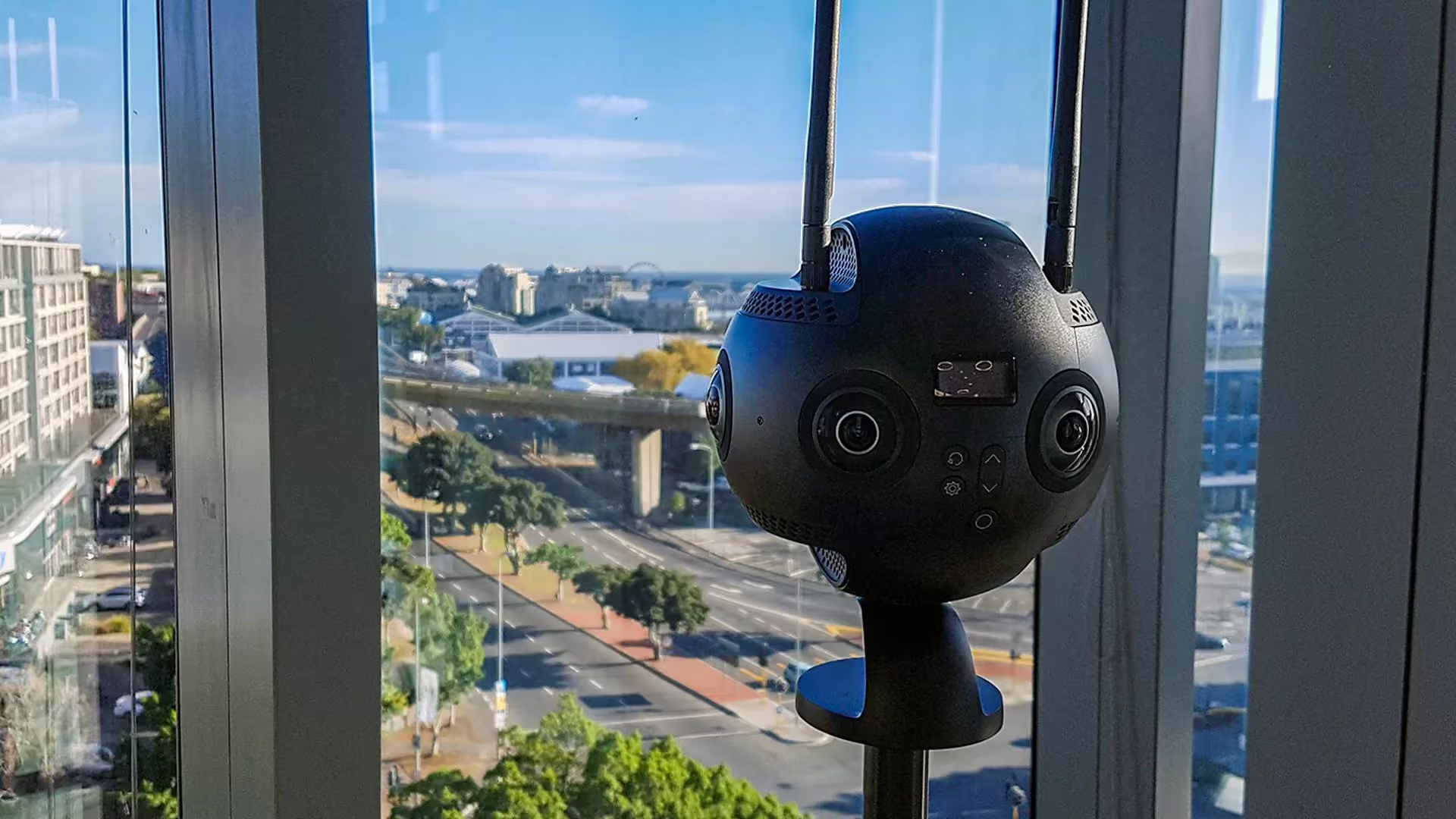
The camera allows us to efficiently capture 360° panorama images with just one shot, making it ideal for high-movement environments. Dynamic scenes are captured seamlessly in a single frame.
Matterport Virtual Tours uses an advanced and secure system to create lifelike virtual experiences. The Scanner combines high-quality photography with LiDAR 3D scanning system.
A 360-degree or panorama image offers an immersive experience by allowing viewers to explore a scene from every angle—up, down, left, and right.
Unlike traditional images that present a fixed perspective, 360-degree images provide interactivity. Users can click and drag with a mouse or swipe on a touchscreen to change their viewpoint, enabling a comprehensive exploration of the entire environment captured in the image.
Additionally, users can zoom in on specific details using the scroll wheel on a mouse or pinch on a touchscreen, which enhances their ability to examine points of interest within the panoramic view. This technology is widely used in virtual tours, real estate listings, travel experiences, and educational simulations, offering a dynamic and engaging way to interact with visual content.