
A Glimpse into the Future of Immersive Shopping
Imagine stepping into a store without leaving your living room, handling a product that exists only as photons and polygons, and confidently making a purchase after a virtual test-drive. The realm of virtual commerce'powered by augmented reality, virtual reality, and digital twins'is no longer a speculative thought experiment. Brands are constructing immersive showrooms, retailers are enabling try-before-you-buy experiences at scale, and metaverse platforms are becoming bustling town squares where commerce collides with imagination. This convergence represents not just a shift in shopping but a redefinition of trust, interaction, and storytelling between brands and consumers.
Virtual Showrooms: The Architecture of the Invisible
The Digital Aisle as a Cathedral
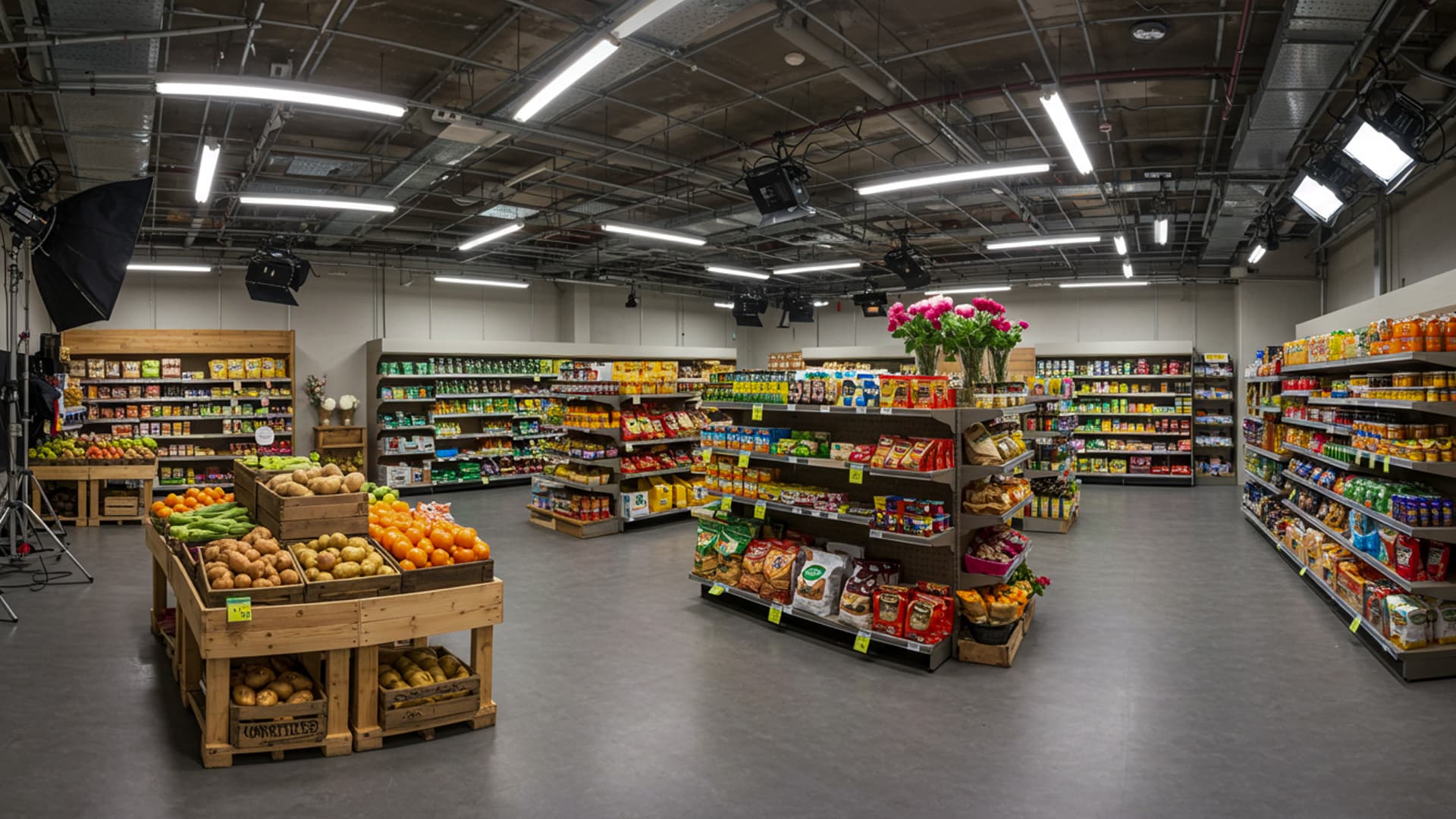
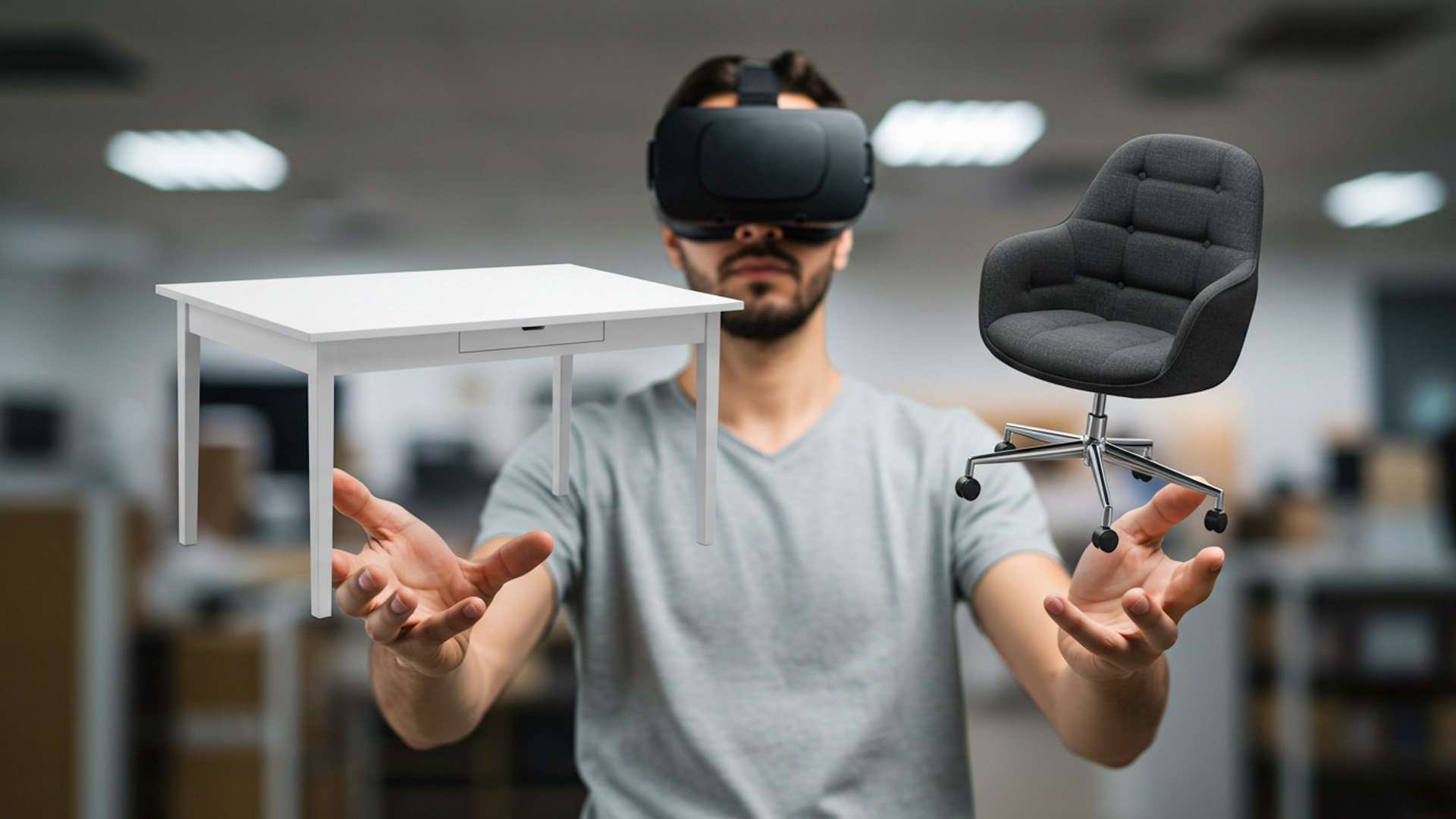
Walking into a traditional store is an act of ritual: lights tuned to highlight products, scents designed to evoke moods, and layouts choreographed to guide footsteps. Virtual showrooms replicate this choreography with pixels. Brands craft 3D environments where each product can be zoomed, rotated, and even deconstructed layer by layer. Instead of static displays, think of an interactive cathedral where every aisle responds to curiosity. A furniture retailer might create a space resembling a modernist apartment, inviting visitors to rearrange couches, lamps, and rugs with intuitive gestures'turning browsing into orchestration.
The magic lies not just in realism but in exaggeration. A watch brand might suspend timepieces in zero gravity, letting customers spin them mid-air. An automotive showroom could drop a sedan onto a digital Mars landscape, emphasizing durability. By bending reality, virtual showrooms both inform and entertain. For the consumer, this is not shopping; it is exploration. And with photorealistic rendering paired with haptic feedback devices, the boundary between trying and owning begins to blur. What was once invisible shelf space becomes an infinite playground of narrative design.
Personalization Beyond Shelf Space
Unlike physical stores, virtual showrooms do not rely on limited square footage. Every visitor can experience a customized journey tailored by algorithms that track preferences, history, and even biometric cues. Imagine a shoe retailer whose AR environment instantly populates with designs in your size, style, and favorite color palette. No endless scrolling, no trial and error'just a curated universe unfolding as though the showroom itself read your mind. This is personalization amplified by immersion, where the act of browsing becomes a reflection of identity.
Brands use these environments as canvases for storytelling. A luxury fashion house might surround you with Parisian streetscapes, mirroring the origins of its designs. A sports equipment company might invite you into a simulated alpine trail where gear can be tested against snow, wind, and physics. In such spaces, the consumer becomes the protagonist of an unfolding story, while the product is both artifact and companion. The emotional resonance created here eclipses what static e-commerce pages could ever achieve.
Economics of the Infinite Shelf
Virtual showrooms liberate retailers from the tyranny of supply chain logistics when it comes to presentation. A brand does not need to ship every variant of a product to every store. Instead, a single digital twin can manifest in countless forms across the virtual domain. This reduces overhead costs while simultaneously increasing customer choice. For niche products that once languished unseen in warehouses, the virtual shelf offers eternal visibility. Every option, no matter how obscure, can be displayed with equal theatricality.
Yet this abundance comes with its own challenges. Decision fatigue is real, even in digital environments. Retailers must design these infinite aisles with narrative arcs that guide rather than overwhelm. The balance between freedom and direction mirrors museum curation: too much structure kills spontaneity, but too little leaves visitors adrift. The solution often lies in data-driven nudges, gently steering users toward products aligned with their persona while preserving the illusion of serendipity.
Augmented Reality Try-Before-You-Buy
From Mirrors to Magic Portals
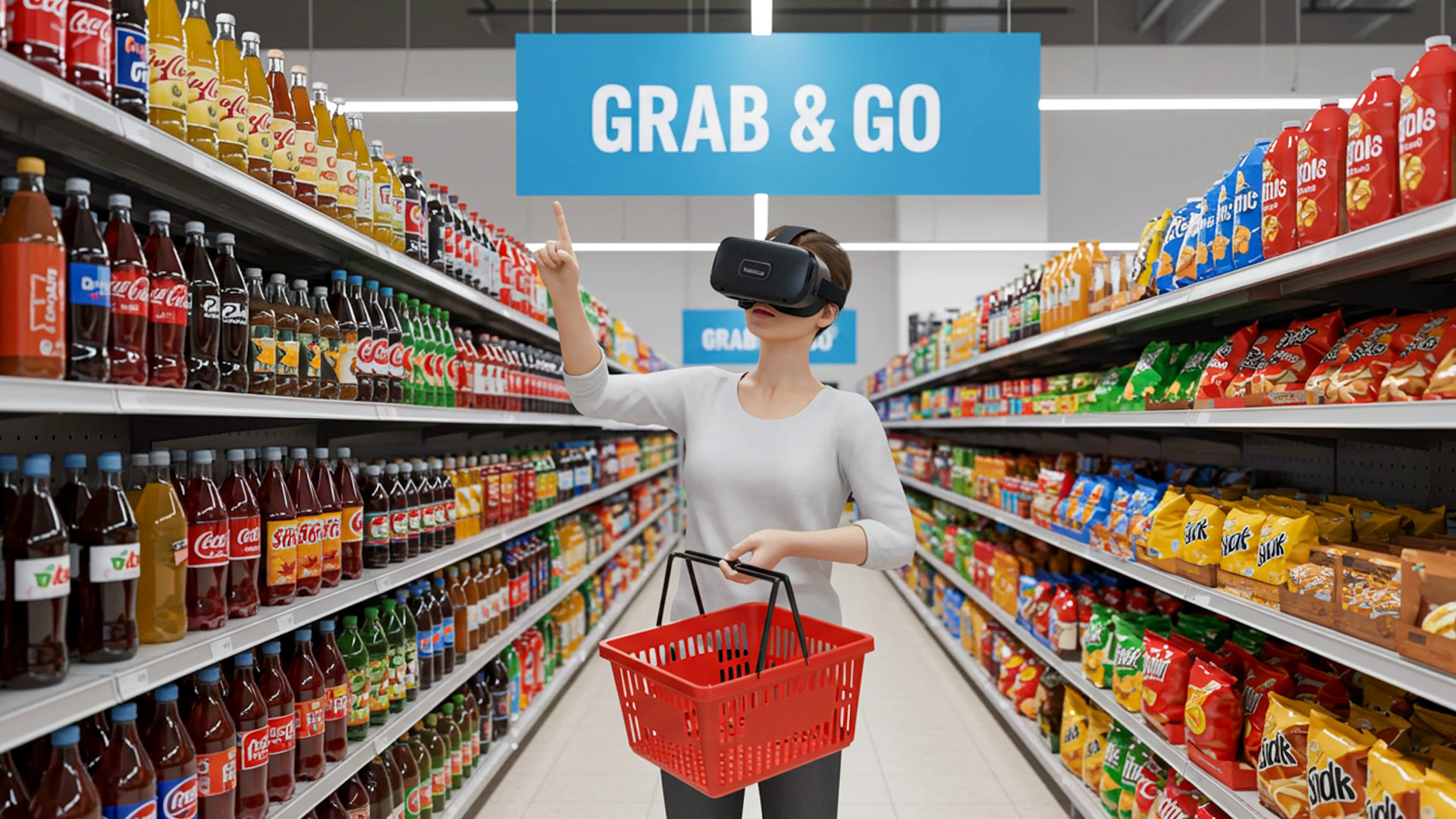
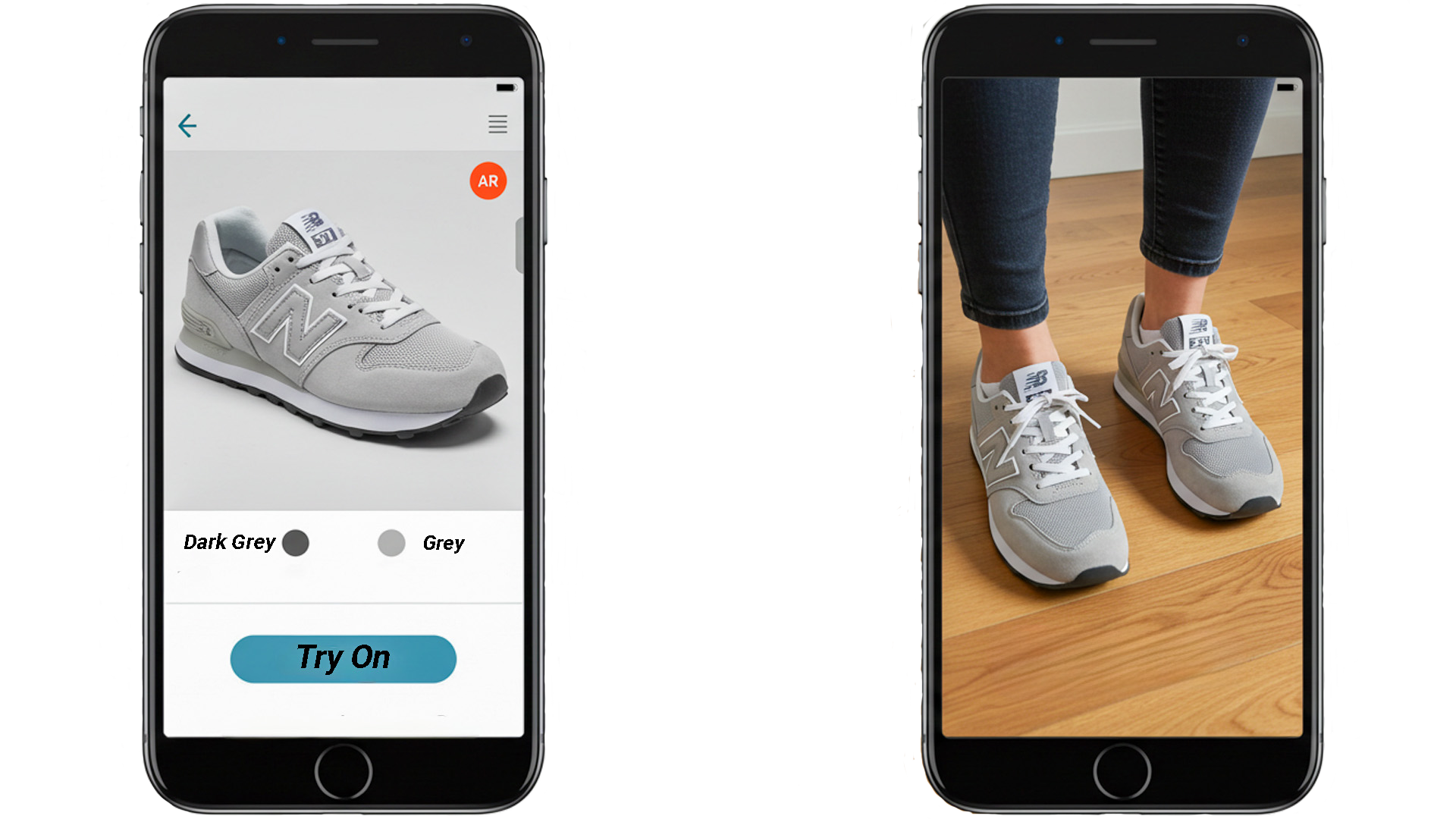
Augmented reality transforms the screen of a smartphone into a portal. When you point it at your living room, a new couch materializes at scale, letting you walk around it, test its proportions, and even change fabrics with a swipe. The AR try-before-you-buy paradigm brings the store into the home, reversing centuries of consumer behavior. Instead of traveling to a store, the store now travels to you'like a genie responding to a whispered wish. This inversion gives consumers unprecedented confidence in their decisions.
Consider cosmetics: once reliant on messy testers or imagination, consumers now swipe through lipstick shades superimposed on their own lips in real-time. Eyeglass retailers overlay frames with uncanny accuracy, simulating fit and comfort. The technology is not just convenience; it addresses the deep psychological need to reduce uncertainty. Where traditional catalogs forced leaps of faith, AR builds bridges of assurance. In commerce, confidence is currency, and AR mint it at scale.
Fitting Rooms in the Cloud
The digital fitting room is the natural evolution of AR commerce. Powered by body mapping and computer vision, these platforms allow consumers to virtually wear clothing, shoes, and accessories in hyper-accurate detail. A shopper can see how a jacket drapes across shoulders, how fabric reacts to motion, and even how patterns align under different lighting. This virtual fitting process reduces returns'a multi-billion-dollar problem in e-commerce'while improving sustainability by minimizing unnecessary shipping.
Yet the fitting room is more than utility. It is theater. Retailers stage experiences with virtual mirrors that talk back, avatars that strike runway poses, or environments that shift from boardroom to beach to nightclub with a tap. Clothing is not simply tried on; it is auditioned for roles in the narrative of life. This dramatization not only improves decision-making but also transforms the act of shopping into a memorable spectacle, aligning retail with performance art.
The Subtle Psychology of Ownership
AR try-on technology does something profound: it grants a fleeting sense of ownership before a transaction occurs. The brain responds to seeing a product on one's body or in one's home as though it already belongs there. Psychologists call this the endowment effect'the tendency to value things more once we feel possession. By leveraging this quirk of cognition, retailers subtly tilt the scales of decision-making. That virtual sofa already looks at home in your living room; how could you not complete the purchase?
This tactic is powerful but must be wielded responsibly. Over-manipulation risks eroding trust, especially if the final product differs from its AR representation. Transparency becomes the cornerstone of credibility. The brands that succeed will be those that blend persuasive design with ethical accuracy, ensuring that the digital preview is a faithful herald of the physical reality. Trust, once broken, cannot be patched with polygons.
Digital Twins: The DNA of Virtual Products
From Blueprint to Living Replica
A digital twin is more than a 3D model; it is a dynamic, data-driven replica that mirrors its real-world counterpart. Unlike static representations, digital twins carry information about material properties, dimensions, performance metrics, and lifecycle data. A sneaker's twin, for example, knows not only its textures and colors but also its breathability, durability, and even environmental footprint. In virtual showrooms, this fidelity allows consumers to make informed decisions grounded in fact, not guesswork.
Imagine testing a blender in VR, where the digital twin simulates noise levels, blade speed, and energy consumption. Or exploring an electric car that reveals battery performance under simulated conditions. Digital twins transform speculation into experimentation. They collapse the gap between promise and proof, allowing consumers to interact with products in contexts previously inaccessible. The product ceases to be an object and becomes an ongoing conversation between buyer and brand.
Lifecycle Transparency and Trust
One of the unsung benefits of digital twins is transparency across the product's lifecycle. In an age where sustainability and ethical sourcing matter, digital twins can expose supply chain data, carbon impact, and recyclability. A conscious consumer could explore not just how a shoe looks but where its leather originated, how much water was used in its dyeing, and whether its stitching was automated or handcrafted. The twin becomes both artifact and dossier, offering full disclosure at the click of a virtual button.
This level of openness elevates brand accountability. Companies cannot hide inefficiencies when the digital twin speaks truth in high resolution. For forward-thinking brands, this transparency becomes a competitive advantage, building loyalty among a generation that values principles as much as price. In this sense, the twin is both guardian and evangelist, representing not just the product but the ethos behind its creation.
The Bridge Between Physical and Virtual Economies
Digital twins are not confined to pre-purchase visualization; they extend into ownership. When linked to blockchain systems, they act as verifiable certificates, ensuring authenticity and enabling resale in digital marketplaces. A luxury handbag may come with a digital twin that proves provenance, deters counterfeiting, and even unlocks virtual versions for metaverse avatars. In this way, the twin becomes a passport that travels across both physical and digital economies, ensuring continuity of identity and value.
As commerce migrates into hybrid realms, digital twins become the DNA that ties everything together. They enable consistency, guarantee trust, and extend utility beyond the tangible. Just as DNA encodes the essence of life, digital twins encode the essence of products'living records that evolve alongside their real-world counterparts. This shift reshapes ownership from a static state into a dynamic relationship, forever altering the grammar of commerce.
Metaverse Commerce: Where Brands Become World-Builders
From Stores to Stages
The metaverse transforms commerce into theater. Brands no longer operate storefronts; they design stages where consumers participate in collective stories. A sneaker brand might host a virtual concert where every attendee's avatar wears limited-edition shoes purchasable on the spot. A cosmetics company might create a fantasy forest where makeup doubles as magical armor. The act of shopping merges with cultural participation, blurring the line between purchase and play.
In this arena, brands act as world-builders, crafting environments that resonate emotionally while embedding commerce invisibly into the narrative. Purchasing becomes less about utility and more about belonging'an act of signaling allegiance to a tribe. The metaverse allows these tribes to transcend geography, connecting individuals worldwide into communities bonded by shared aesthetics, experiences, and values. Retail ceases to be transactional; it becomes communal storytelling.
The Rise of Virtual Goods
Digital economies thrive on scarcity and creativity. Virtual goods'skins, accessories, wearables'become currency within these new worlds. A handbag in the metaverse might carry as much social weight as its physical counterpart, if not more, because its visibility extends across infinite interactions. For younger demographics who socialize primarily online, these goods often eclipse traditional possessions in value. Ownership is no longer measured in closets and garages but in inventories and digital wallets.
Brands capitalize on this shift by launching limited-edition virtual products, often tied to real-world counterparts. Buy a physical sneaker, receive its digital twin for your avatar. Attend a virtual event, unlock exclusive skins. This fusion of physical and virtual scarcity amplifies desirability while creating new revenue streams. The line between 'product' and 'experience' dissolves, leaving only tokens of identity in its wake.
Ethics, Access, and the Digital Divide
As brands colonize virtual worlds, questions of access and equity emerge. Will immersive commerce exacerbate digital divides, privileging those with headsets and high-speed connections while excluding others? Will the gamification of shopping manipulate vulnerable demographics into compulsive consumption? The metaverse is both opportunity and responsibility, requiring careful design to balance profitability with inclusivity. Just as urban planners design cities with public spaces, brands must ensure virtual worlds include commons where commerce does not dominate every interaction.
The ethics of virtual commerce extend to identity itself. When avatars become vehicles of self-expression, how should brands navigate representation, diversity, and cultural sensitivity? Missteps here can trigger backlash at the speed of social media, damaging reputations overnight. The brands that thrive will be those that treat metaverse spaces not as marketplaces but as cultural ecosystems, where commerce coexists with respect, creativity, and human dignity.

Where Brands Become World Builders