
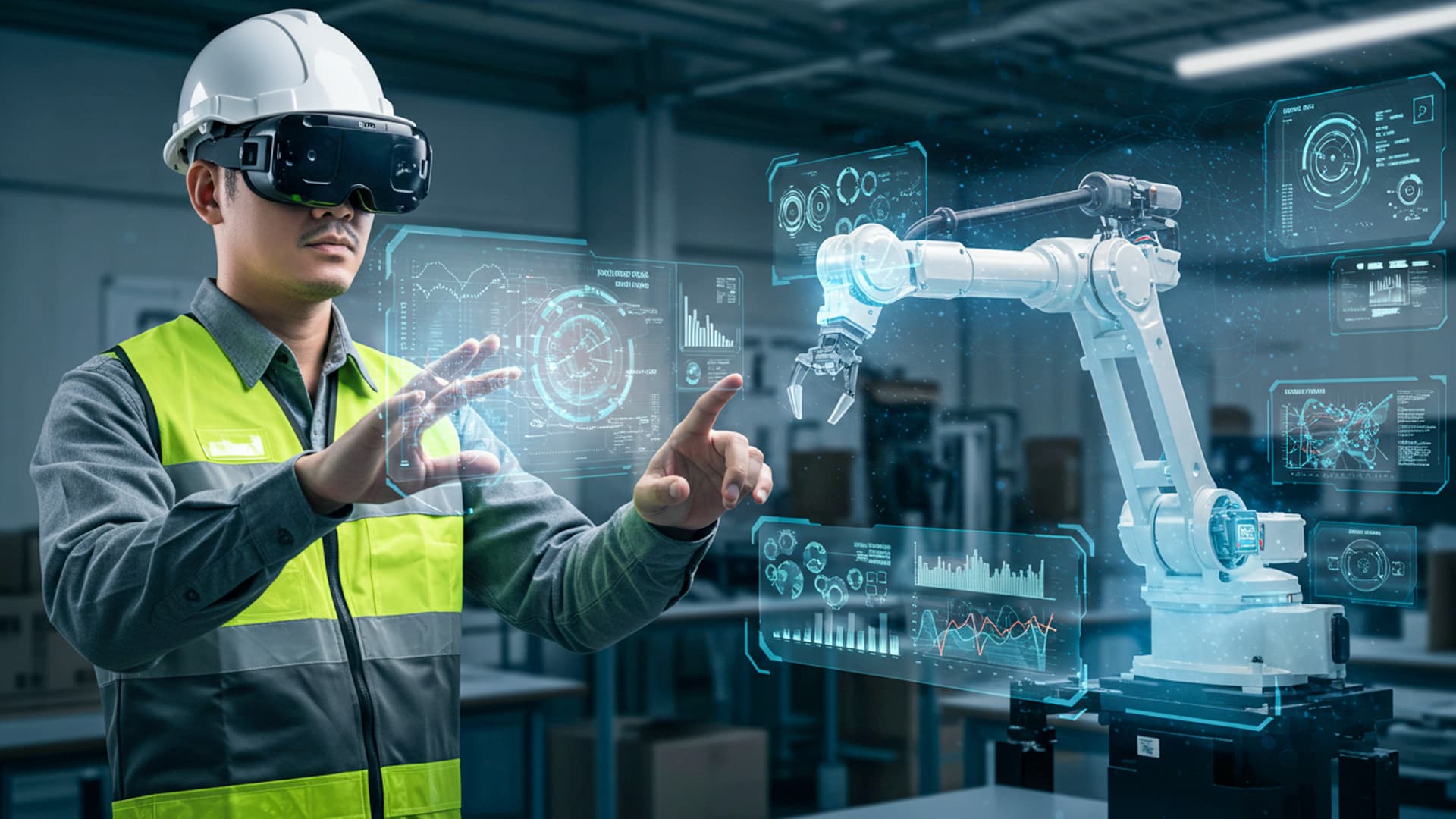
A Glimpse into the Digital Factories of Tomorrow
While headlines often orbit around consumer gadgets, headsets, and gaming experiences, the industrial metaverse has quietly emerged as a transformative force within global manufacturing. Companies like BMW, Siemens, and General Electric are reimagining workflows by blending digital twins, real-time data, and spatial computing into a unified ecosystem. Unlike the hype-driven consumer market, this industrial renaissance is pragmatic, grounded in efficiency, sustainability, and measurable returns on investment. Think of it as a living laboratory'factories rendered as digital canvases where engineers test, refine, and perfect operations before steel ever meets assembly line. The result is not only reduced costs and errors but also an entirely new way of envisioning production itself. This convergence of the physical and digital is rewriting the DNA of manufacturing, ushering in an era where the line between imagination and machinery is astonishingly thin.
Digital Twins: The Beating Heart of the Industrial Metaverse
From Blueprint to Living Organism
A digital twin is not a static diagram but a dynamic, evolving simulation of a factory, product, or system. Imagine having a holographic mirror of your assembly line, one that responds in real-time to every movement, machine vibration, and sensor input. BMW has harnessed this capability to simulate entire production plants, allowing engineers to rearrange assembly stations with the same ease as shifting icons on a computer desktop. In doing so, costly trial-and-error on the shop floor becomes a thing of the past, replaced with agile iteration in the digital domain.
The metaphor of a digital twin as a 'living organism' is not hyperbole. Just as a heart rate monitor reflects the vitality of the body, IoT sensors and AI algorithms pump real-time data into these replicas, ensuring they breathe, adapt, and evolve with the physical plant. This synchronization reduces downtime, anticipates maintenance needs, and fosters resilience against unexpected disruptions. It's akin to doctors practicing delicate surgery on a digital patient, ensuring that when the scalpel touches skin, confidence'not uncertainty'guides the hand.
Predictive Power and Error Prevention
Traditional manufacturing often resembled driving by looking in the rearview mirror'issues were discovered only after they caused slowdowns or breakdowns. Digital twins flip this paradigm by granting predictive foresight. Sensors feeding into these simulations forecast potential machine failures, inefficiencies, or bottlenecks. It's like weather radar for your factory, offering early warnings that let managers reroute tasks before storms of downtime strike. This foresight translates into leaner inventories, fewer surprises, and a nimble approach to logistics.
Error prevention also flourishes when engineers can simulate outcomes before implementation. Instead of physically testing every permutation of a robotic arm's movement, operators tweak it virtually, identifying inefficiencies without risking production delays. This proactive precision reduces material waste and enhances worker safety. In essence, the factory becomes a chessboard where strategies are rehearsed endlessly in the digital realm before making a single real-world move. The result is a symphony of synchronized efficiency, played without missing a note.
Sustainability Through Simulation
Sustainability in manufacturing has long been treated as a balancing act between profitability and environmental stewardship. Digital twins tilt the scales by allowing factories to optimize energy consumption and reduce waste before the first part is stamped. For example, simulations can reveal how rearranging HVAC systems or adjusting conveyor speeds impacts overall energy draw. Instead of expensive retrofits after the fact, efficiency is designed into the system from inception. It's akin to drafting an architect's blueprint where every room is already optimized for sunlight, airflow, and comfort.
BMW's use of digital twins to model energy-efficient factories demonstrates how ecological and economic priorities can merge. By experimenting in a virtual sandbox, the company reduces carbon footprints without sacrificing throughput. Sustainability becomes less of a burden and more of an embedded design principle. When every kilowatt, motion, and material is accounted for before a single worker punches the clock, the factory transforms into a responsible citizen of both industry and planet. This dual triumph is one of the industrial metaverse's quiet revolutions.
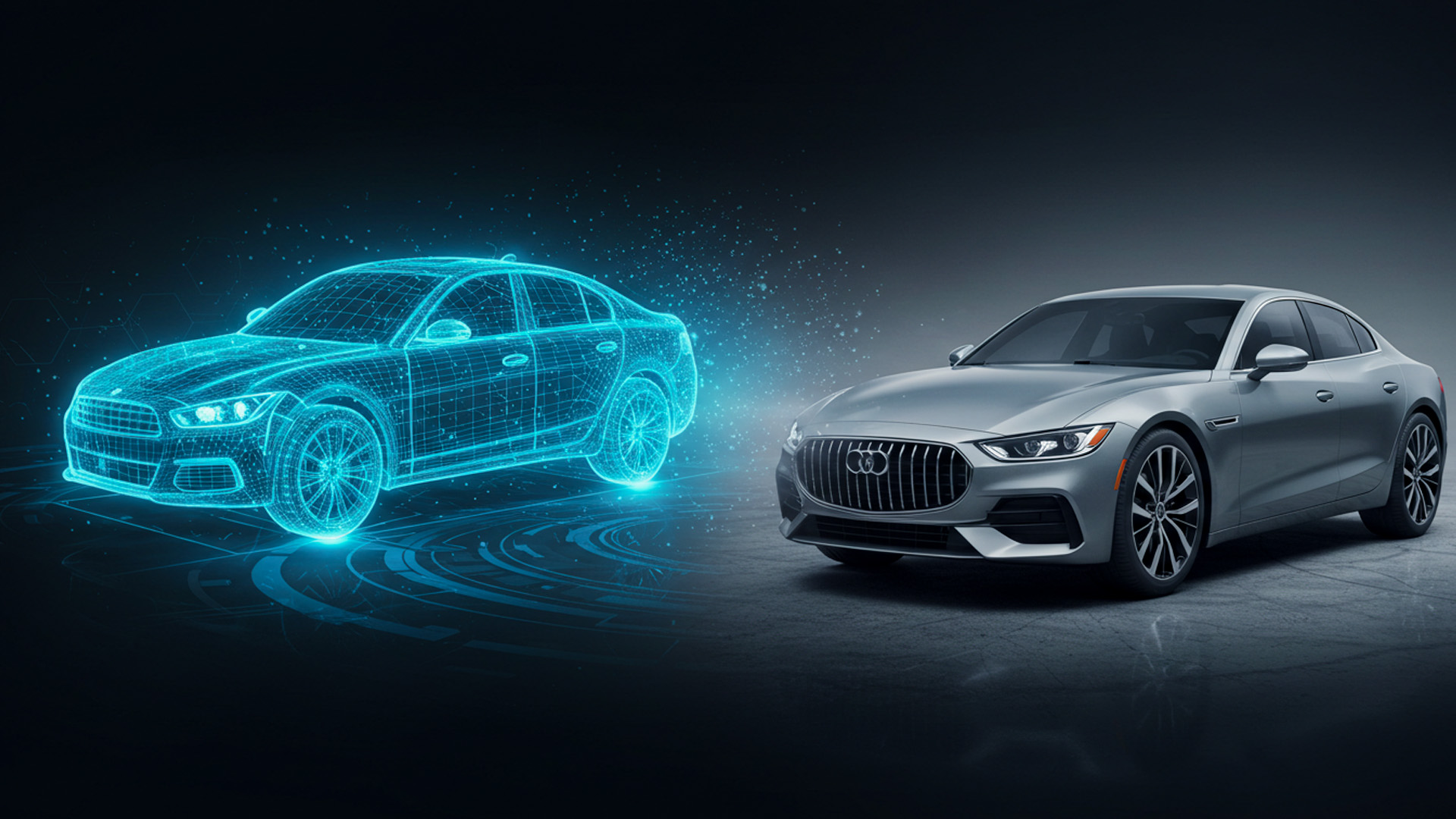
Spatial Computing: Rewiring Human-Machine Collaboration
Immersive Training for the Workforce
Spatial computing transforms how workers interact with machinery, designs, and even each other. Instead of abstract diagrams or static manuals, employees step into immersive environments where they can manipulate equipment virtually. Picture an apprentice technician learning to assemble a turbine inside a holographic workspace, making mistakes without consequence, and repeating tasks until muscle memory sets in. This approach democratizes expertise, lowering the barriers to mastery and creating a workforce that learns through experience rather than instruction alone.
The result is not merely faster training but safer onboarding. Risk-intensive procedures can be rehearsed repeatedly in simulated spaces, ensuring workers enter the physical floor with competence rather than apprehension. Just as pilots practice in flight simulators before taking to the skies, technicians rehearse in digital factories before laying hands on live machinery. This convergence of immersion and interactivity fosters confidence, reduces accidents, and accelerates skill acquisition, turning novices into capable contributors far quicker than traditional training regimes.
Augmented Workflows and Efficiency
Spatial computing is not confined to training; it augments day-to-day workflows by overlaying digital information onto physical tasks. Workers equipped with AR glasses, for example, can see repair instructions floating over malfunctioning machinery, or inventory data hovering above warehouse shelves. This reduces cognitive load, minimizes guesswork, and eliminates the inefficiencies of flipping through manuals or waiting for expert consultation. In practice, it's akin to having a digital co-pilot whispering guidance at every step of the job.
These augmented workflows also create an ecosystem where human intuition and machine intelligence coalesce. While algorithms crunch numbers in the background, workers receive contextual insights in real time, enabling them to focus on problem-solving rather than data gathering. This hybrid intelligence not only accelerates operations but also enhances decision-making. In manufacturing, where every second and micron matters, this synchronization of man and machine becomes a competitive edge sharper than any tool on the shop floor.
Bridging Distances in Global Operations
Manufacturing often spans continents, with design in one country, assembly in another, and distribution across many. Spatial computing creates a virtual command center where these disparate actors converge in real time. Engineers in Germany and technicians in South Africa can walk through the same digital replica of a factory, collaborating as if they were shoulder to shoulder. This obliterates geographical boundaries, compressing time zones into shared spaces where decisions are made quickly and collectively.
The implications ripple across supply chains. Faster communication reduces bottlenecks, while collaborative problem-solving mitigates costly delays. Instead of endless email chains or delayed video calls, stakeholders 'step inside' the same environment, pointing to problems, proposing fixes, and validating outcomes instantly. This spatial bridge turns global operations into a cohesive organism, its far-flung parts beating in rhythm, guided by a digital pulse that keeps every unit aligned, efficient, and agile.

Nvidia's Omniverse: The Engine Behind Industrial Transformation
A Platform for Convergence
At the core of this industrial revolution lies Nvidia's Omniverse, a platform that stitches together disparate tools, models, and workflows into a seamless collaborative fabric. Unlike siloed software ecosystems where designers, engineers, and managers operate in isolation, Omniverse fosters interoperability. CAD files, IoT data, and AI simulations converge in one space, creating a unified language for industrial storytelling. It's akin to transforming a cacophony of instruments into a symphony conducted by algorithms and human creativity in concert.
This convergence is particularly vital in manufacturing, where the lifecycle of a product spans design, prototyping, assembly, and logistics. Omniverse allows stakeholders to visualize each phase simultaneously, ensuring that decisions in one area don't create costly ripples in another. In practice, this reduces rework, accelerates design cycles, and enhances cross-disciplinary collaboration. The result is a feedback loop where innovation flows freely, unimpeded by the friction of disconnected tools or siloed expertise.
Simulation at Photorealistic Scale
Omniverse doesn't just simulate'it renders environments with photorealistic fidelity. This level of visual precision is not cosmetic but functional, enabling engineers to perceive nuances that would otherwise remain invisible in abstract models. Shadows, reflections, and material textures behave exactly as they would in the physical world, allowing for highly accurate assessments of lighting, ergonomics, and spatial dynamics. It's the difference between reading sheet music and hearing the orchestra'it transforms theory into visceral experience.
Such realism is invaluable for stress-testing designs under conditions that mimic reality with uncanny accuracy. Engineers can model how a robotic arm interacts with metallic surfaces under varying light conditions or how human workers navigate crowded assembly lines. By catching ergonomic flaws or inefficiencies early, companies save resources while improving worker safety. Omniverse's simulation capacity is a compass that points not north, but forward'toward factories where every detail is accounted for before the first screw is turned.
A Marketplace of Possibilities
Beyond simulation, Omniverse serves as a marketplace where developers and enterprises share tools, extensions, and datasets. This ecosystem accelerates innovation by preventing each company from reinventing the wheel. Much like an app store revolutionized mobile technology, Omniverse's marketplace fosters a culture of shared advancement. Companies plug into an ever-expanding repository of solutions, tailoring their digital factories with building blocks already tested and validated by peers across industries.
This shared economy of innovation ensures that no company operates in isolation. Lessons learned in automotive manufacturing might translate seamlessly into aerospace or energy sectors. The industrial metaverse becomes not just a set of tools but a living commons, where knowledge circulates freely and progress accelerates collectively. The result is exponential growth'not because each participant works harder, but because they work smarter, together, guided by the connective tissue of Omniverse.
The Road Ahead: Challenges and Opportunities
Bridging the Skills Gap
Despite its promise, the industrial metaverse faces a pressing challenge: workforce readiness. The tools are powerful, but harnessing them requires fluency in data science, spatial computing, and AI integration. Many factories still employ workers trained for analog systems, creating a skills gap that risks widening if not addressed. Closing this divide demands proactive investment in education, apprenticeships, and continuous upskilling programs. It's less about replacing workers than about retooling them for a digital-first reality.
Some companies are already leading by example, offering immersive training academies where employees learn to navigate Omniverse and digital twins as part of their daily toolkit. By transforming training into a cultural priority, these organizations ensure that no worker is left behind. The industrial metaverse will thrive not just on silicon and code but on human adaptability, resilience, and curiosity'the same qualities that powered every industrial revolution before this one.
Data Security and Ethical Dimensions
Factories of the future are data-rich ecosystems where every action is tracked, simulated, and stored. While this enhances efficiency, it also creates vulnerabilities. Cybersecurity must evolve alongside the metaverse to protect intellectual property, production schedules, and sensitive operational details. A single breach could ripple across supply chains, halting operations and eroding trust. Building resilient cyber defenses is no longer optional'it's a prerequisite for participating in this new industrial order.
Ethics, too, demand consideration. As decision-making shifts toward AI-driven systems, questions arise about accountability, transparency, and fairness. Who bears responsibility when an algorithm's recommendation leads to costly errors or accidents? These dilemmas echo broader debates about AI governance but acquire sharper urgency in the context of critical infrastructure. Navigating this terrain will require frameworks that balance innovation with accountability, ensuring the metaverse remains a tool for empowerment rather than exploitation.
Toward a Symbiotic Future
Despite these challenges, the trajectory of the industrial metaverse is clear'it is not a speculative trend but a foundational shift in how manufacturing is conceived and executed. The convergence of digital twins, spatial computing, and Omniverse-driven collaboration points toward factories that are not merely efficient but adaptive, resilient, and symbiotic with human creativity. These spaces are less like static plants and more like living ecosystems, continuously learning and evolving with every byte of data they ingest.
The opportunities ahead are vast: carbon-neutral factories designed in silico before breaking ground, cross-border teams collaborating as if they shared the same room, and predictive systems that anticipate needs before they arise. For manufacturers willing to embrace this frontier, the rewards are profound. The industrial metaverse is not about replacing the physical'it's about perfecting it, weaving imagination and machinery into a fabric stronger than either strand alone.

Challenges And Opportunities
Elisha Roodt
Specializing in virtual reality solutions and immersive technologies, delivering cutting-edge experiences while sharing the latest news, insights, and developments shaping the VR industry.