

Captivating Audiences and Unlocking New Revenue Streams
In the ever-evolving landscape of live entertainment, virtual concerts have transcended mere novelty to become a robust revenue ecosystem. Artists, promoters, and venues are harnessing immersive spatial computing platforms to deliver ticketed VR shows that mimic'and often surpass'the dynamism of physical arenas. By deploying strategies ranging from blockchain-backed entry tokens to subscription-based access passes, stakeholders are unlocking novel profit channels. This post delves into the technical alchemy underpinning monetization, examines emerging revenue models, and showcases how visionary creators are architecting experiences that resonate both emotionally and economically within the metaverse.
The Rise of Virtual Concerts: Setting the Stage
Pioneering VR Performance Platforms
At the vanguard of metaverse entertainment are platforms engineered specifically for live performances. These pioneering environments'often referred to as immersogenic amphitheaters'leverage real-time rendering engines and SDKs to synchronize audio, visuals, and interactivity across distributed networks. Early adopters like VirtuaStage and MetaArena have refined their proscenium frameworks to support tens of thousands of concurrent avatars, complete with spatial audio cones, dynamic lighting rigs, and gesture-based audience responses. Such platforms act as digital prosceniums, allowing artists to perform in virtual coliseums that can scale fluidly with demand, effectively democratizing access to large-scale events without the physical constraints of traditional venues.
Imagine a musician who is thousands of miles away yet inhabits the same virtual proscenium as fans congregating in East Asia, Europe, or Africa. The virtual amphitheater becomes a borderless stage, where latency is mitigated through edge computing and predictive frame interpolation. This unparalleled reach encourages artists to conceive multi-act spectacles enriched by AR overlays and interactive lighting choreography. The metaphor of the digital amphitheater underscores how these platforms transcend the static video streams of yesteryear, ushering in a participatory paradigm where attendees collaborate with performers through real-time emotive tokens and avatar-controlled pyrotechnics.
Immersive Audience Architectures
Using advanced spatial audio mapping and volumetric crowd simulations, bespoke audience architectures fundamentally reshape how attendees interact with performers and each other. Individual avatars receive directional sound cues that emulate proximity to the stage, while dynamic occlusion algorithms control echo and reverb to mirror real-world acoustics. Social zones within the virtual environment foster micro-communities, enabling fans to congregate in VIP lounges or mosh pits digitally rendered on purpose-built node clusters. Leveraging graph-based social topology and real-time engagement metrics, metaverse platforms can recommend avatar clusters based on shared preferences, optimizing network resource allocation and elevating communal immersion to unprecedented levels.
Consider a festival where each attendee's avatar circulates through reactive amphitheaters that adapt to audience density. As more avatars converge, decentralized shader networks intensify visual effects'crowd-sourced luminescence, dynamic particle streams, and synchronized pyrotechnic zones. Developers employ event-driven microservices that spawn sub-space portals, routing participants to breakout stages seamlessly. This architectural elasticity ensures stable frame rates even under peak load, preserving the illusion of a cohesive live event. Metaphorically, these technical innovations serve as the architectural scaffolding of a digital cathedral, supporting an ephemeral congregation unified by shared auditory stimuli and synchronous haptic feedback.
Case Study: A Hypothetical MetaConcert
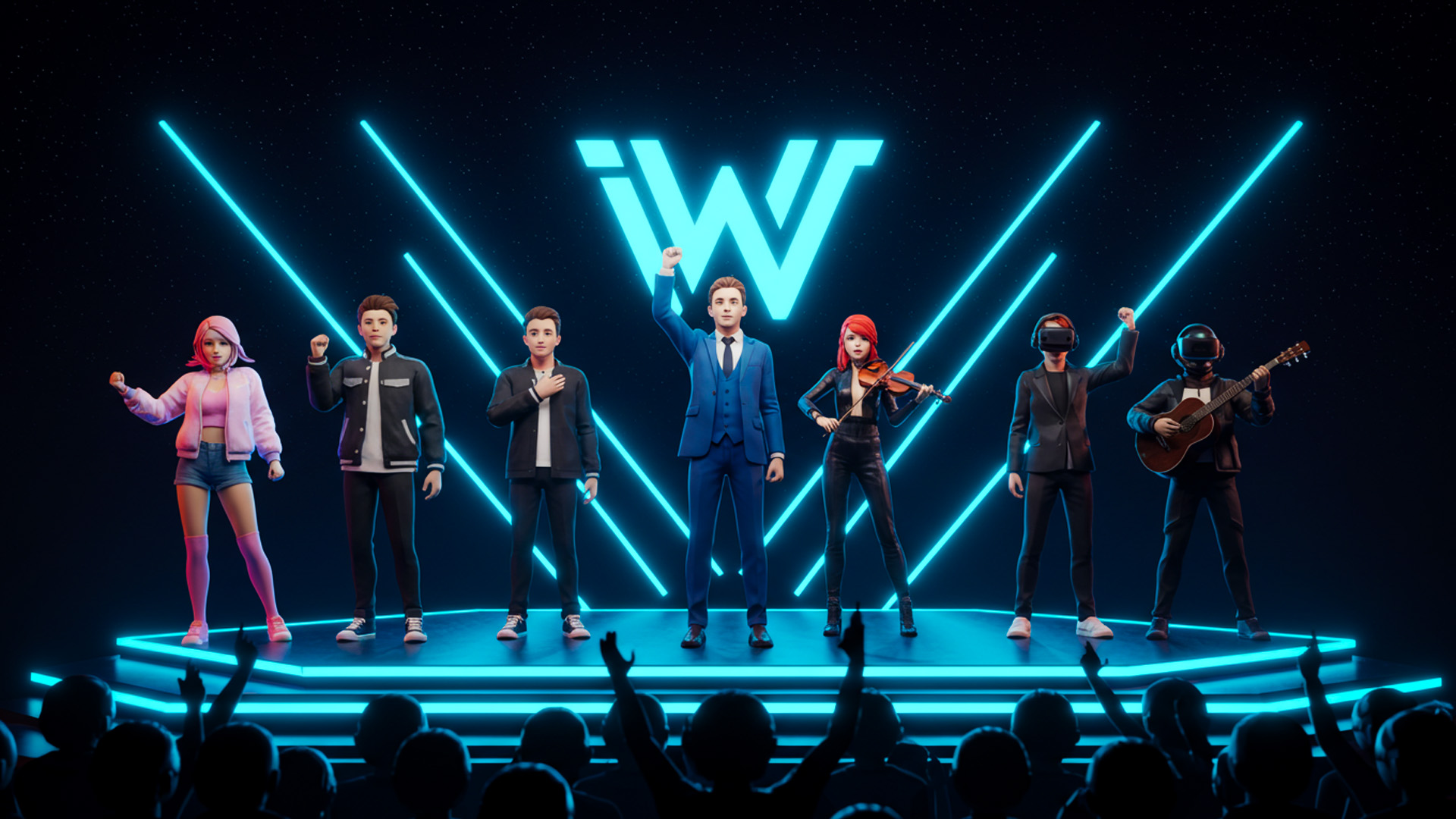
Imagine an indie artist named Aria Lumen hosting her debut MetaConcert inside a retrofitted virtual amphitheater. She issues 5,000 NFT-backed tickets that grant varying levels of access: general admission avatars receive standard audio feeds, while platinum holders unlock backstage voxels and immersive 3D rehearsals. During the performance, an experiential layer overlays real-time lyrics, chord progressions, and fan-generated AR visuals. A custom SDK allows attendees to project personalized light beacons into the crowd, creating a kaleidoscopic panorama that evolves with audience interactions. This use case illustrates how artists can co-create immersive spectacles that engage fans in bi-directional storytelling.
As the final chord reverberates, Aria's revenue catalysis multiplies: primary NFT sales yield immediate proceeds, secondary marketplace transactions accrue royalties via embedded smart contracts, and a limited-edition digital album drops exclusively to ticket holders. Brand partnerships integrated dynamic ad breaks into intermission lounges, and a synchronized merchandise portal offers bespoke virtual wearables. Post-event analytics reveal metrics such as peak avatar density, average session time, and emotive reaction indices. These insights inform future tour routing, platform selection, and optimal price tiers, demonstrating how a hypothetical MetaConcert can crystallize the convergence of creative expression and monetization strategies in the metaverse.
Ticketing Mechanics: From NFTs to Subscription Passes
NFT-Backed Tickets
NFT-backed tickets have emerged as a transformative ledger-based entry system, utilizing blockchain immutability to prevent fraud and enable secondary revenue streams. Each token encapsulates metadata including seat coordinates, access privileges, and provenance history. Smart contracts enforce royalty distributions on resale, ensuring artists and promoters capture value whenever tickets change hands. Platforms like JazzChain and EtherStage exemplify how distributed ledger protocols can tokenize admission, granting ticket holders exclusive airdrops, archival recordings, and limited-edition digital assets. This mechanism not only secures transactional integrity but also engenders a collectible dimension, transforming ephemeral concert attendance into a persistent digital artifact.
Envision a system where fans purchase a tokenized ticket that morphs over time'initially granting general admission, then evolving to unlock VIP lounges and bonus content as the event approaches. This emergent behavior leverages temporal smart contract triggers, analogous to blooming NFTs in generative art. As the ticket 'blooms,' metadata layers unlock augmented audio stems, backstage livestreams, and interactive avatar skins designed by the artist. Such dynamic token mechanics not only heighten anticipation but also encourage early purchases, as scarcity and unlock sequences become part of the fan experience narrative, blending gamification with monetization.
Tiered Subscription Models
Subscription-based models offer artists and venues recurring revenue by dividing content into tiered access levels. Fans subscribe monthly or annually to access a suite of VR concerts, behind-the-scenes exhibits, and members-only social spaces. Higher tiers may include exclusive rehearsals, direct Q&A sessions, and early bird ticket allocations. Platforms like MusePass have pioneered this approach, bundling live dates with digital collectibles and community governance tokens. By structuring benefits into discrete strata'bronze, silver, gold'creators can optimize churn rates and forecast cash flows, transforming episodic live events into subscription-driven narratives.
Consider a metaverse venue that releases a seasonal subscription called 'Aurora Circuit.' Subscribers gain entry to four headline VR concerts per quarter, receive monthly collectible art drops, and vote on stage designs. Each tier corresponds to algorithmically assigned avatar aesthetics and private voice channels moderated by AI bots. Revenue catalysis occurs through up-sell opportunities: special one-off tickets, digital workshops, and partnership-based merchandise. This strategy mirrors the cable TV bundling era but enhances interactivity and customization. Through predictive retention analytics, platforms can dynamically adjust tier benefits, ensuring that subscription models remain compelling and profitable over multiple cycles.
Dynamic Pricing Algorithms
Dynamic pricing algorithms adapt ticket costs in real time based on demand, network latency, and user engagement metrics. These systems analyze covariates such as concurrent viewership, social media buzz, and geotemporal data to adjust seat prices in fractions of a second. Leveraging machine learning models trained on historical ticketing data, platforms can implement surge pricing for high-demand performances, micro-adjust pricing tiers, and deploy flash sales to drive marginal revenue. This technical apparatus aligns with the revenue management strategies long used in airlines and hospitality, but tailored to the unique demand elasticity of virtual events.
Imagine a scenario where a headline act's ticket price automatically increases by 5% for every additional 1,000 concurrent purchase requests, capping at a predetermined threshold. Simultaneously, predictive sentiment analysis gauges audience excitement through real-time chat and social feed parsing, feeding back into the pricing engine. Underutilized segments might be offered time-limited discounts, orchestrated by an AI-managed ticketing microservice. This continuous feedback loop between audience metrics and price controls ensures revenue is maximized without alienating core fan bases, borrowing analogies from dynamic fuel pricing but in a digital entertainment context.

Revenue Diversification: Sponsorships, Merch & More
Virtual Sponsorship Stages
Brands are venturing into virtual sponsorship stages, embedding their assets within the metaverse's spatial topology. From branded virtual billboards to interactive sponsor lounges, these engagements extend beyond passive advertising. Sponsors can host product demos within stages designed to reflect their ethos'imagine a digital champagne bar in a luxury car manufacturer's dome. Through real-time telemetry, sponsors track dwell time, avatar interactions, and click-through rates on embedded haptic-enabled product samplers. Such integration creates a symbiotic relationship: artists gain financial backing, while brands cultivate experiential touchpoints that resonate with tech-savvy demographics.
Take, for instance, a beverage company sponsoring a VR music festival. Attendees can sample virtual sips that trigger olfactory haptic feedback in compatible wearables, unlocking exclusive avatar skins and discount codes for real-world purchases. Data captured from these interactions fuels retargeting campaigns and informs future venue layouts. This experiential marketing transcends traditional banner ads, as immersive brand-centric subspaces become revenue levers. Metaphorically, sponsorship stages are the digital equivalent of corporate skyboxes'elevating brand presence while keeping audiences enthralled in the primary performance narrative.
Digital Merchandise Ecosystems
In the metaverse, merchandise extends into intangible yet collectible digital assets. Virtual apparel, holographic posters, and commemorative GIF NFTs populate gamer-centric marketplaces. Artists collaborate with 3D designers to craft limited-edition wearables'avatar skins, jewelry, and accessories'sold as ERC-721 tokens. These digital goods often feature provenance metadata, signaling authenticity and scarcity. Secondary marketplace royalties encoded in smart contracts ensure artists capture a percentage of every resale. This continuous revenue catalysis empowers creators to monetize fan loyalty indefinitely, transcending the one-off transaction model typical of physical merchandise sales.
Picture a fan who buys a limited-edition concert jacket NFT immediately after the show. Weeks later, they sell it on an open marketplace, and the artist automatically receives a 10% royalty from the resale price. Meanwhile, the buyer's avatar now sports the exclusive jacket in upcoming events, becoming a walking billboard for the artist's brand. This self-propagating commerce ecosystem leverages the transparent ledger properties of blockchain to incentivize both initial sales and aftermarket trading, crafting a perpetual revenue stream that parallels, yet innovates upon, traditional merch tables.
Hybrid Real-World Tie-ins
Hybrid tie-ins blend virtual experiences with tangible products and real-world events. Attendees holding specific digital tickets unlock discounts on physical concert merchandise, in-venue VIP experiences, or limited-time pop-up activations in major cities. QR codes embedded in VR environments bridge to e-commerce platforms, enabling instant purchase of vinyl pressings, apparel, or collectible memorabilia. Event organizers can orchestrate staggered drops, where virtual attendance triggers eligibility for real-world raffles or backstage passes. This cross-pollination strategy forges a cohesive ecosystem, aligning digital revenue streams with in-person fan engagement.
Imagine a scenario where a VR ticket purchaser receives a QR-coded wristband that, when scanned at a brick-and-mortar store, dispenses an exclusive souvenir. Conversely, physical ticket holders may gain access to a locked virtual lounge with avatar customization options. These reciprocal incentives drive cross-channel participation, fostering higher lifetime value per attendee. By synergizing digital and physical channels, promoters can amplify brand immersion, optimize supply chains for limited-run merch, and utilize geofencing analytics to tailor localized marketing campaigns, effectively interweaving the virtual and real-world economies.

Future-Proofing Live Experiences: Analytics & Engagement
Real-Time Analytics Dashboards
Sophisticated analytics dashboards are the nerve centers of metaverse live events. They aggregate telemetry from distributed servers'frame rates, concurrent users, and engagement heatmaps'into coherent visualizations. Using time-series databases and stream processing frameworks, organizers can monitor avatar density in real-time, identify network congestion nodes, and adjust resource provisioning on the fly. Metrics such as average dwell time per stage, emotive reaction scores derived from emoji-based sentiment analysis, and transactional throughput on NFT marketplaces provide granular insights. These dashboards transform raw data into strategic intelligence, guiding immediate optimizations and long-term revenue forecasts.
Imagine a promoter glancing at a heatmap overlay that reveals a sudden spike in avatar clustering at a secondary stage. Within seconds, they allocate additional server capacity or deploy a pop-up event to diffuse congestion. Meanwhile, sentiment widgets track audience mood, signaling if content resonated or necessitated micro-adjustments, such as extended encore segments. This real-time feedback loop mirrors the control room dynamics of broadcast studios, except the stage is entirely virtual. By harnessing predictive analytics, organizers can preemptively identify bottlenecks, fine-tune pricing triggers, and maximize user satisfaction'ensuring the event remains both profitable and performant.
Gamified Engagement Loops
Gamification injects interactivity into virtual concerts, converting passive spectators into active participants. Platforms implement achievement systems, rewarding fans with badges, unlockable content, and leaderboard standings based on engagement metrics like chat contributions, dance emotes, or social sharing. Some environments use persistent token economies where completing challenges'such as finding hidden easter eggs or achieving dance milestones'yields tradable rewards. This layered engagement creates cyclical retention loops, incentivizing repeat attendance and fostering community competition. Analogous to mobile gaming ecosystems, these gamified structures transform the concert narrative into a participatory quest.
For example, a metaverse festival might introduce an interactive scavenger hunt across multiple stages, unlocking exclusive remixes or behind-the-scenes clips. Fans collaborate to solve riddles that trigger surprise artist drop-ins or unlock augmented reality filters for avatar selfies. Completion of these tasks grants governance tokens, allowing holders to vote on playlist selections for upcoming shows. By intertwining game mechanics with performance art, organizers tap into intrinsic motivation drivers'achievement, exploration, and social recognition'while simultaneously amplifying monetization through challenge-based rewards and sponsorship-backed prize pools.
Scalability & Latency Optimization
Ensuring low latency and horizontal scalability is paramount for seamless VR events. Architectures often employ microservices spread across geographically distributed edge nodes, leveraging container orchestration platforms like Kubernetes. Content delivery networks cache static assets'3D models, audio tracks, and shader libraries'closer to end-users, reducing load times and jitter. WebRTC mesh networks or selective forwarding units manage real-time audio and video streams, dynamically adapting codec bitrates to network conditions. These optimizations guarantee that avatars animate synchronously and audio streams remain lip-synced, preserving the illusion of a live performance.
Consider a scenario where a sudden influx of users from multiple continents threatens to overload central servers. Auto-scaling policies instantiate additional compute pods in proximal data centers, while load balancers reroute traffic through underutilized routes. Latency monitoring tools continuously measure round-trip times, triggering adaptive bitrate streaming and predictive buffering algorithms. Developers can employ simulated stress tests to forecast peak loads, calibrate resource thresholds, and pre-warm caches before marquee events. This robust infrastructure design ensures that virtual concerts maintain both high fidelity and high concurrency'a prerequisite for sustainable monetization in the metaverse.

Future Proofing Live Experiences