
The Metaverse in 2026: Less Hype, More Useful Virtual Experiences
For several years, the metaverse was described as a future digital world where people would work, shop, learn, play and socialise through avatars. The idea captured attention because it suggested a major change in how people could use the internet. Instead of looking at a flat screen, users could step inside shared digital spaces and interact with people, objects and environments in a more natural way.
In 2026, the conversation has become more practical. The metaverse is no longer only being discussed as one enormous destination that everyone will join. It is increasingly understood as a collection of connected technologies that can create immersive experiences for specific purposes. Virtual reality headsets, real-time 3D environments, digital twins, AI-generated content and spatial computing are all part of this wider picture.
This shift is useful because it brings the focus back to real needs. A business may not need a permanent virtual office for every employee. It may need a realistic training environment for new staff. A property developer may need a way for buyers to explore a future building. A design team may need to review a product at full scale before it is manufactured. A school may need a better way to explain a difficult scientific process.
The most valuable metaverse experiences in 2026 are likely to be the ones that solve a clear problem. They make information easier to understand, bring people into the same digital environment or allow users to practise something that would be difficult, expensive or unsafe to recreate in the physical world.
The Metaverse Is Becoming a Technology Layer, Not a Single Place
One reason the metaverse has been difficult to define is that different people use the word in different ways. Some think of social virtual worlds where users meet through avatars. Others think of virtual reality games, blockchain-based digital assets or immersive online events. Businesses may use the term to describe digital twins, training simulations or collaborative 3D design spaces.
In practice, the metaverse is becoming less about one platform and more about the technology that allows immersive digital spaces to exist. Real-time 3D engines create environments that respond to users. VR headsets place people inside those environments. Cloud systems allow content to be updated and shared. AI can help create assets, guide users and make virtual characters more responsive.
This means people do not need to wait for one company to build a complete metaverse before immersive technology becomes useful. Organisations can already create focused virtual experiences that support their own goals. These may be private spaces for training, branded environments for customers or shared rooms for teams working on a design.
From Big Promises to Specific Use Cases
The strongest immersive projects usually begin with a simple question: what should this experience help someone do? A broad virtual world may sound exciting, but a focused experience is often easier to build, easier to use and easier to measure.
A logistics company may create a virtual warehouse simulation where new staff learn safe movement around equipment. An automotive business may build a virtual showroom where customers explore a vehicle before it reaches a dealership. A university may use a 3D environment to help students understand anatomy, architecture or engineering systems.
These examples may not look like the science-fiction version of the metaverse, but they represent where immersive technology can create real value. They use the same underlying ideas—presence, interaction and shared digital space—while keeping the purpose clear.
Why Interoperability Still Matters
As more immersive platforms and devices become available, the ability to move content and users between systems becomes important. A business does not want to rebuild every 3D asset from the beginning whenever it changes software, hardware or project partners.
Interoperability is not always visible to the end user, but it affects how useful an immersive project can become over time. Open formats, clear content ownership and flexible development approaches can make it easier to update a virtual environment, use it on different devices or connect it to other business systems.
For users, the ideal experience is simple. They should be able to access the right virtual environment without needing to understand the technical structure behind it. For organisations, planning for flexibility early can protect the value of the content they create.
Virtual Reality Gives the Metaverse a Sense of Presence
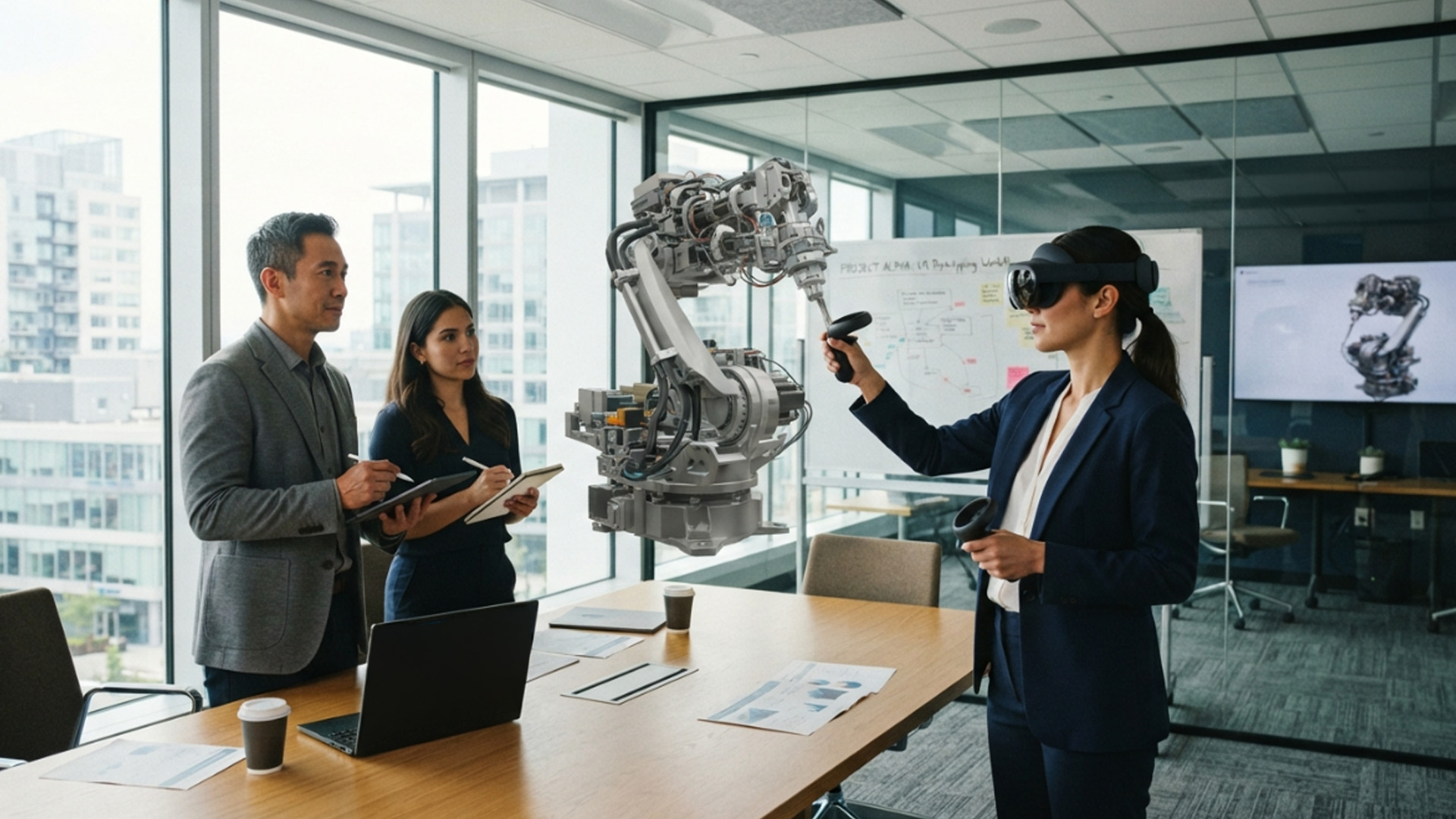
Virtual reality remains one of the most direct ways to experience immersive digital environments. A headset can make a person feel as though they are standing inside a room, walking through a building, looking at a product or taking part in a shared activity. This sense of presence is what makes VR different from watching a standard video or viewing a 3D model on a laptop.
Presence does not mean that every virtual environment needs to be extremely detailed. It means the experience gives users enough visual, spatial and interactive information to understand where they are and what they can do. A simple training simulation can feel highly effective if it reflects the real decisions a learner needs to make.
For metaverse-style experiences, VR can create a stronger connection between people and digital content. Users can look around naturally, move through a space and interact with objects in a way that feels more immediate than clicking through menus on a screen.
Shared Spaces Can Improve Collaboration
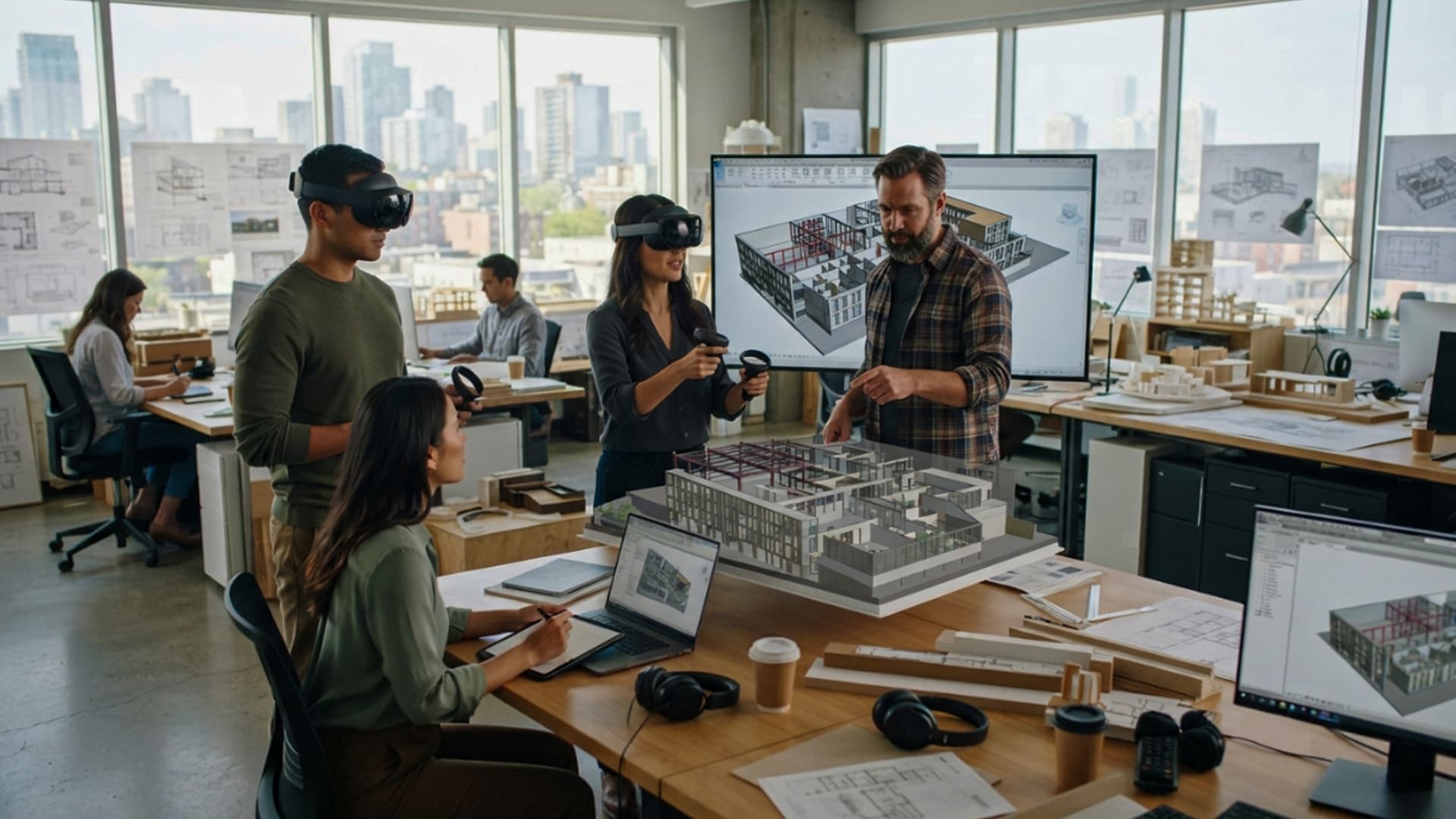
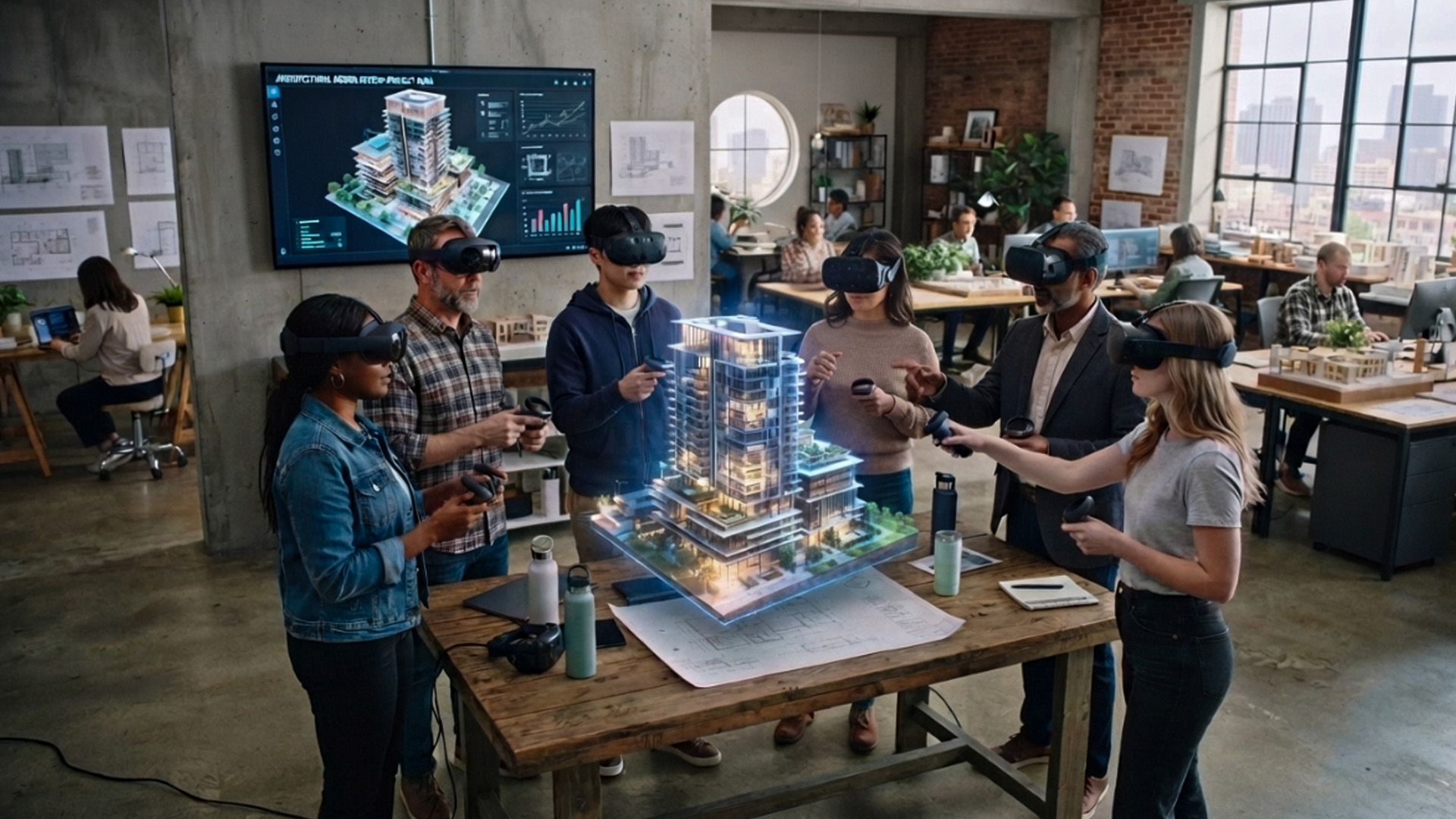
One of the more useful applications of immersive technology is shared collaboration. Teams working on a large design, building layout or product concept can meet inside a virtual environment and review the same model together. Instead of looking at separate drawings or screens, participants can see scale, position and detail from a shared point of view.
This can be useful for architecture, engineering, manufacturing, education and product development. A team can identify a problem earlier, discuss possible changes and make decisions while everyone is looking at the same environment.
The value is not simply that people are represented by avatars. It is that they can communicate around a shared object or space. In some cases, this can make complex discussions easier because people do not need to imagine how a design will look at full scale.
Virtual Environments for Learning and Practice
VR also gives the metaverse a practical role in training. A learner can enter a controlled environment, follow a process and repeat tasks without needing access to a real site, machine or customer situation every time.
This is particularly useful where mistakes are expensive or safety is important. Learners can identify hazards, practise procedures and become familiar with an environment before they work in it for real. The experience can be repeated, updated and adapted for different skill levels.
A focused VR training environment does not need to be part of a large public virtual world to be valuable. It can be a private, purpose-built experience that helps people prepare for real work.
AI Is Making Virtual Worlds Faster to Build and Easier to Use
Artificial intelligence is becoming an important part of immersive development. Creating a detailed virtual environment has traditionally required significant time from artists, 3D designers, developers and subject experts. AI tools can help speed up parts of that process by assisting with asset creation, environment concepts, dialogue, translations and content updates.
This does not remove the need for skilled people. A useful virtual experience still needs clear objectives, accurate information and careful design. AI can help teams work faster, but it cannot decide whether a training scenario reflects the real workplace or whether a customer journey makes sense for a specific audience.
The opportunity is to reduce repetitive work and make immersive content easier to maintain. A business may be able to update product information, create variations of a training scenario or adapt content for different languages without rebuilding the entire experience.
More Natural Digital Guides and Avatars
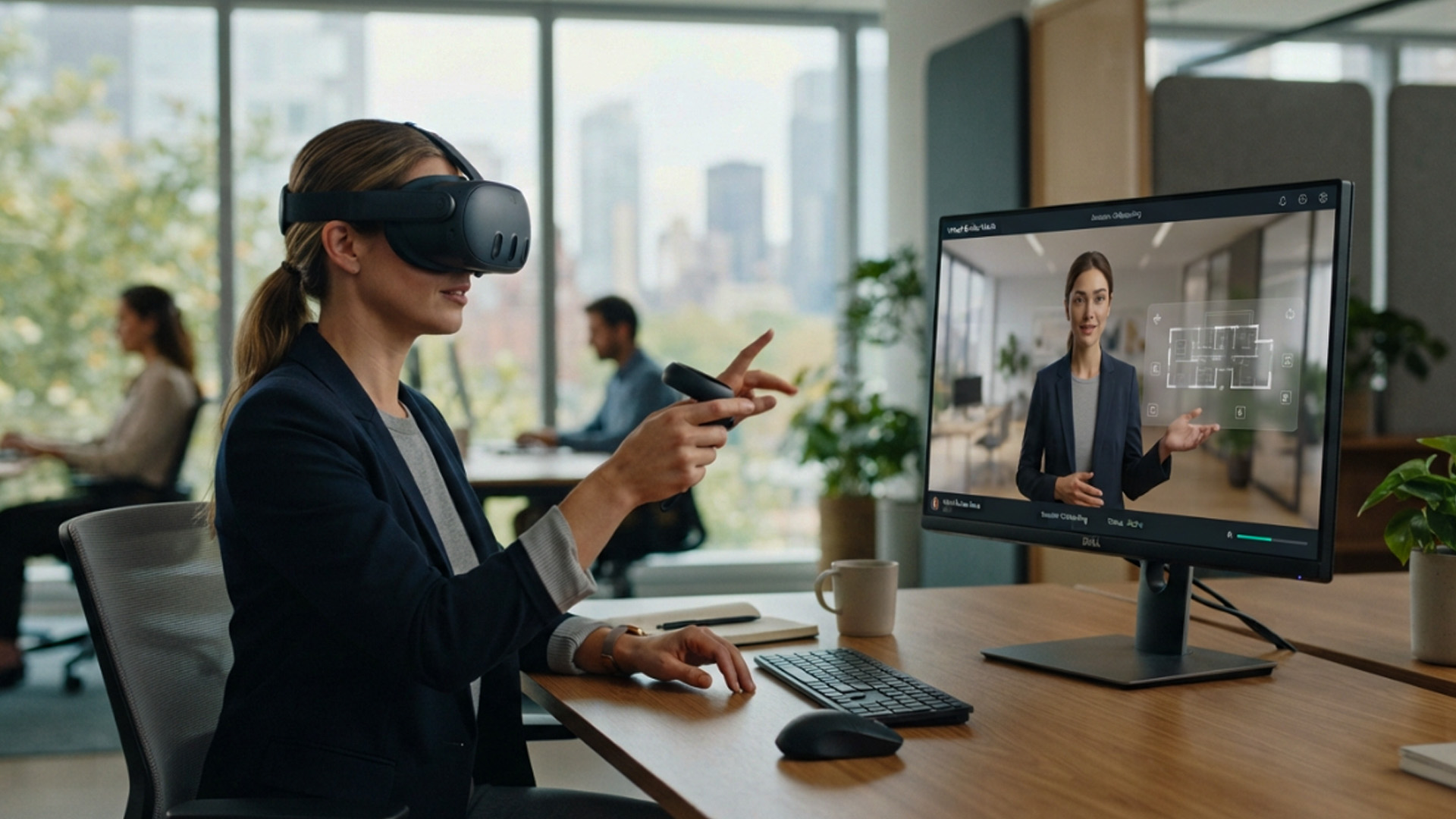
AI can also make virtual environments feel more responsive. A digital guide can answer common questions, direct users through an experience or provide feedback during a training task. In social or collaborative spaces, AI may help create more natural interactions between users and virtual characters.
The most useful AI guides should be designed around a clear role. In a virtual museum, the guide may explain exhibits. In a training simulation, it may provide hints when a learner is stuck. In a product experience, it may help visitors compare features.
A guide should not overwhelm users with unnecessary conversation. It should make the experience easier to navigate and help people find the information they need.
Faster Content Updates for Real Businesses
Virtual environments need to stay current. A product changes, a building plan is updated, a safety procedure is revised or a marketing campaign moves in a new direction. If every change requires a major rebuild, the experience can quickly become difficult to maintain.
AI-assisted workflows can make updates more manageable, especially when combined with a well-structured content system. Teams can prepare reusable 3D assets, templates and approved information so that changes can be made consistently.
For organisations, this matters because immersive technology becomes more useful when it can evolve with the business. A virtual showroom, training simulation or collaborative environment should not be treated as a fixed piece of content that cannot change after launch.
Digital Twins Connect Virtual Spaces to the Real World
A digital twin is a digital representation of a real object, building, system or process. It can range from a simple 3D model to a more detailed environment connected to live information. Digital twins are becoming an important part of practical metaverse development because they connect immersive visualisation to real-world operations.
For example, a property developer can create a digital twin of a future building to help buyers understand the space before construction is complete. A manufacturer can use a digital twin of a production line to review layouts, test changes or train staff. A city or venue can use a digital model to plan movement, events or maintenance.
When viewed through VR, a digital twin can make complex information easier to understand. People can walk through a space, inspect equipment or see how different parts of a system relate to each other.
Better Decisions Before Physical Work Begins
One of the main benefits of digital twins is that they allow teams to explore decisions before physical work is completed. A design team can review the layout of a building, identify access issues or test whether equipment has enough clearance. A client can understand how a future space will feel before approving changes.
This can reduce misunderstandings and help teams identify problems earlier. It does not guarantee that every issue will be solved before construction or production, but it gives stakeholders a more practical way to review plans.
The value is especially strong when several groups need to make decisions together. Designers, technical teams, operations staff and clients can enter the same virtual model and discuss the same details.
Making Complex Systems Easier to Explain
Many real-world systems are difficult to explain through diagrams alone. A digital twin can show how a building, machine or process fits together. It can make hidden components visible and allow people to explore information in context.
For training, this can help new staff understand where equipment is located and how a process moves from one stage to another. For sales, it can help customers understand the value of a complex product. For planning, it can help decision-makers see the practical effect of a proposed change.
The goal is not to create a digital copy for its own sake. The goal is to make better decisions by giving people a clearer view of the real environment.

Building Trust Into Metaverse Experiences
As immersive experiences become more connected, trust becomes more important. VR systems can collect information about user interactions, movement, voice and performance. This data can be useful for improving training or personalising an experience, but it needs to be handled carefully.
Users should understand what information is being collected, why it is needed and how it will be protected. Organisations should avoid collecting more data than is necessary and should make privacy part of the project plan from the beginning.
Trust also includes accessibility and comfort. Not everyone will want to use a headset for the same amount of time, and not every person will be comfortable with the same type of interaction. Good immersive experiences provide clear instructions, appropriate session lengths and alternatives for people who prefer to participate through a screen or guided demonstration.
The Experience Must Be Worth Entering
A virtual environment should respect a user’s time. If people are asked to put on a headset, create an avatar or learn a new interface, the experience needs to offer something useful in return. It may save time, make a difficult subject easier to understand, allow people to explore a place or create a more engaging way to connect.
This is where practical metaverse development differs from technology for technology’s sake. The experience should have a clear purpose and a simple path for users to reach that purpose.
In 2026, the metaverse is becoming more realistic by becoming more focused. The future is not necessarily one enormous virtual world that replaces everyday life. It may be a growing collection of useful immersive spaces that help people learn, design, collaborate and explore in ways that traditional screens cannot easily provide.