

Transforming the Corporate Landscape Through Immersive Technology
In the rapidly evolving digital ecosystem of 2025, Virtual Reality (VR) has transcended its initial entertainment-centric applications to become a pivotal tool for businesses across various industries. Companies leveraging VR are not only enhancing their operational efficiencies but also redefining customer experiences, training paradigms, and strategic planning. This technological metamorphosis offers a competitive edge, fostering innovation and driving sustainable growth in an increasingly interconnected marketplace.
Revolutionizing Training and Development
Immersive Onboarding Experiences
Imagine a new employee stepping into a virtual replica of your company's headquarters, navigating through different departments, and interacting with virtual avatars of team members'all before their first day on the job. This immersive onboarding process not only accelerates the acclimatization period but also ensures a consistent and comprehensive introduction to the company culture and workflows. By simulating real-world scenarios, VR training modules can enhance retention and understanding, reducing the time and resources traditionally required for training programs.
Skill Enhancement Through Simulated Environments
Beyond onboarding, VR offers a dynamic platform for ongoing skill development. For instance, in industries such as manufacturing or healthcare, where precision and expertise are paramount, VR simulations provide a safe and controlled environment for employees to practice and refine their skills. This hands-on approach mitigates the risks associated with real-world training, allowing for repeated practice and immediate feedback. Consequently, businesses can cultivate a more competent and confident workforce, ready to tackle complex tasks with proficiency.
Remote Collaboration and Learning
As remote work becomes the norm, VR facilitates seamless collaboration and learning among geographically dispersed teams. Virtual classrooms and meeting spaces enable real-time interaction, fostering a sense of presence and engagement that traditional video conferencing tools cannot match. This enhanced connectivity not only improves communication but also promotes a collaborative culture, essential for innovation and problem-solving in today's fast-paced business environment.
Enhancing Customer Engagement and Experience
Virtual Showrooms and Product Demonstrations
Consider a potential customer virtually exploring a high-end automobile's features from the comfort of their home. VR-powered showrooms and product demonstrations offer an interactive and personalized shopping experience, allowing customers to visualize and interact with products in a way that static images or videos cannot replicate. This level of engagement not only boosts customer satisfaction but also drives higher conversion rates by enabling informed purchasing decisions.
Personalized Marketing Campaigns
VR enables businesses to create highly personalized marketing campaigns tailored to individual preferences and behaviors. By analyzing user data, companies can design immersive experiences that resonate on a personal level, fostering deeper emotional connections with their audience. For example, a travel agency could offer virtual tours of destinations, allowing customers to experience the sights and sounds before making a booking. Such personalized interactions enhance brand loyalty and differentiate businesses in a crowded marketplace.
Virtual Events and Trade Shows
In an era where physical gatherings are often constrained by logistical and financial limitations, virtual events and trade shows present an innovative alternative. Businesses can host large-scale events that are accessible to a global audience, reducing costs associated with venue rentals, travel, and accommodations. These virtual gatherings can incorporate interactive elements such as live presentations, networking lounges, and exhibitor booths, providing attendees with a rich and engaging experience that mirrors the benefits of in-person events.
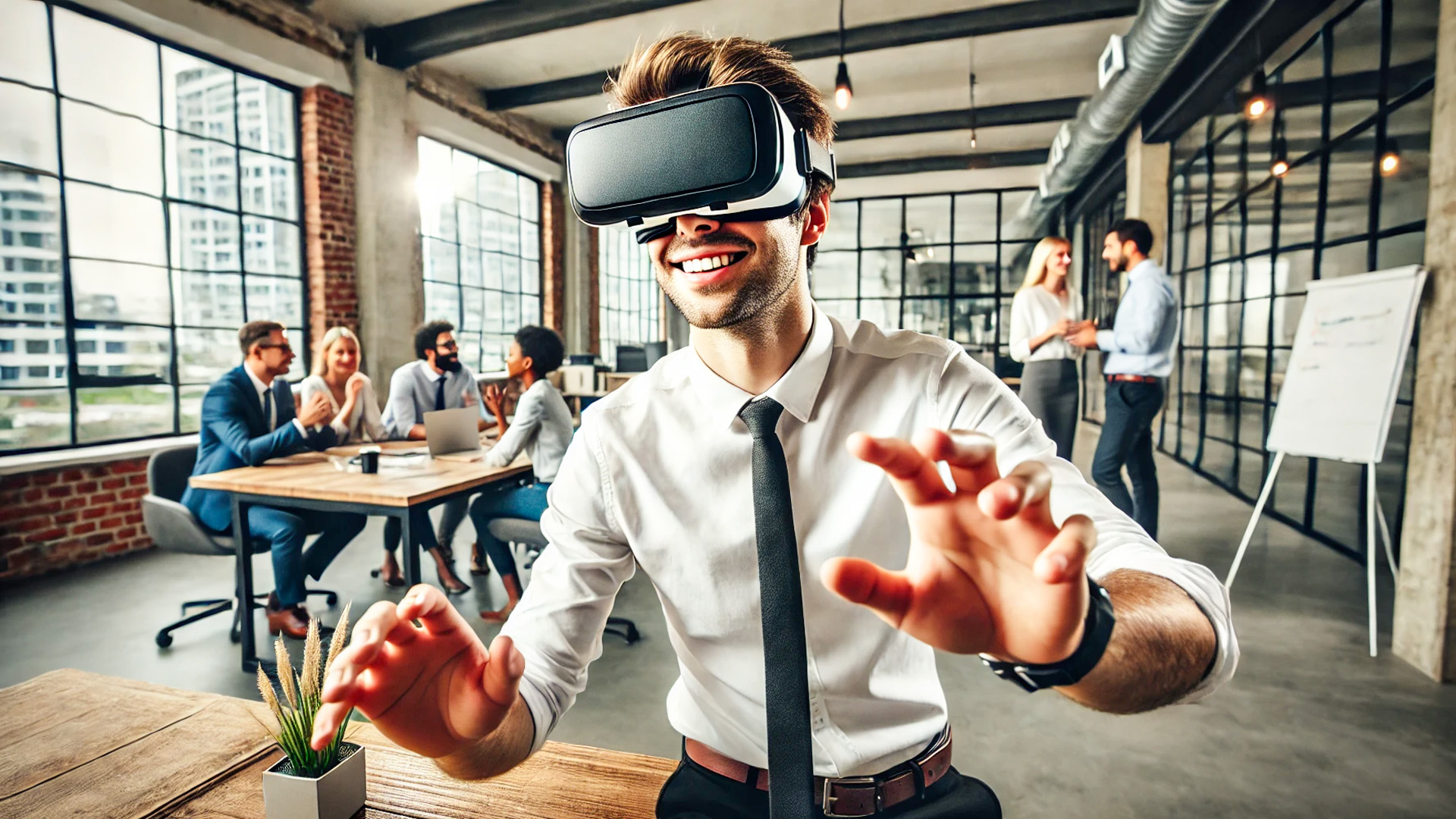
Streamlining Operations and Decision-Making
Virtual Prototyping and Design
The traditional product development cycle is often fraught with delays and costly revisions. VR streamlines this process through virtual prototyping, allowing designers and engineers to visualize and manipulate 3D models in a virtual space. This real-time collaboration accelerates the design iteration process, enabling quicker identification and resolution of potential issues. As a result, businesses can bring products to market faster and with greater precision, enhancing their competitive advantage.
Data Visualization and Analytics
In the age of big data, the ability to interpret and act on complex information is crucial. VR offers advanced data visualization tools that transform abstract data sets into intuitive, interactive visualizations. Decision-makers can immerse themselves in data landscapes, uncovering patterns and insights that might remain hidden in traditional charts and graphs. This enhanced analytical capability supports more informed and strategic business decisions, driving operational efficiencies and fostering innovation.
Virtual Workspaces and Process Optimization
Virtual workspaces redefine the traditional office environment, offering flexible and scalable solutions for businesses of all sizes. These digital environments can be customized to support specific workflows and collaborative needs, optimizing processes and enhancing productivity. For example, a virtual project management hub can integrate various tools and resources, providing a centralized platform for team collaboration and task tracking. This streamlined approach not only reduces operational bottlenecks but also fosters a more agile and responsive organizational structure.
Facilitating Innovation and Competitive Advantage
Accelerating Research and Development
Innovation is the lifeblood of sustainable business growth. VR accelerates research and development (R&D) by providing a sandbox for experimentation and exploration. Companies can simulate experiments, test new ideas, and visualize outcomes without the constraints of physical prototypes or real-world testing. This accelerative environment fosters creativity and expedites the innovation cycle, enabling businesses to stay ahead of industry trends and technological advancements.
Enhancing Product Customization and Personalization
Today's consumers demand products that cater to their unique preferences and needs. VR empowers businesses to offer unprecedented levels of customization and personalization. Through virtual configurators, customers can tailor products to their specifications in a virtual space, visualizing their personalized designs in real-time. This interactive customization process not only enhances customer satisfaction but also provides businesses with valuable insights into consumer preferences, informing future product development strategies.
Building a Future-Ready Business Model
Embracing VR positions businesses at the forefront of technological innovation, preparing them for future challenges and opportunities. As VR technology continues to evolve, early adopters can integrate emerging advancements, such as augmented reality (AR) and mixed reality (MR), into their operations. This forward-thinking approach ensures that businesses remain adaptable and resilient in the face of rapid technological changes, securing their position as industry leaders in an increasingly digital world.
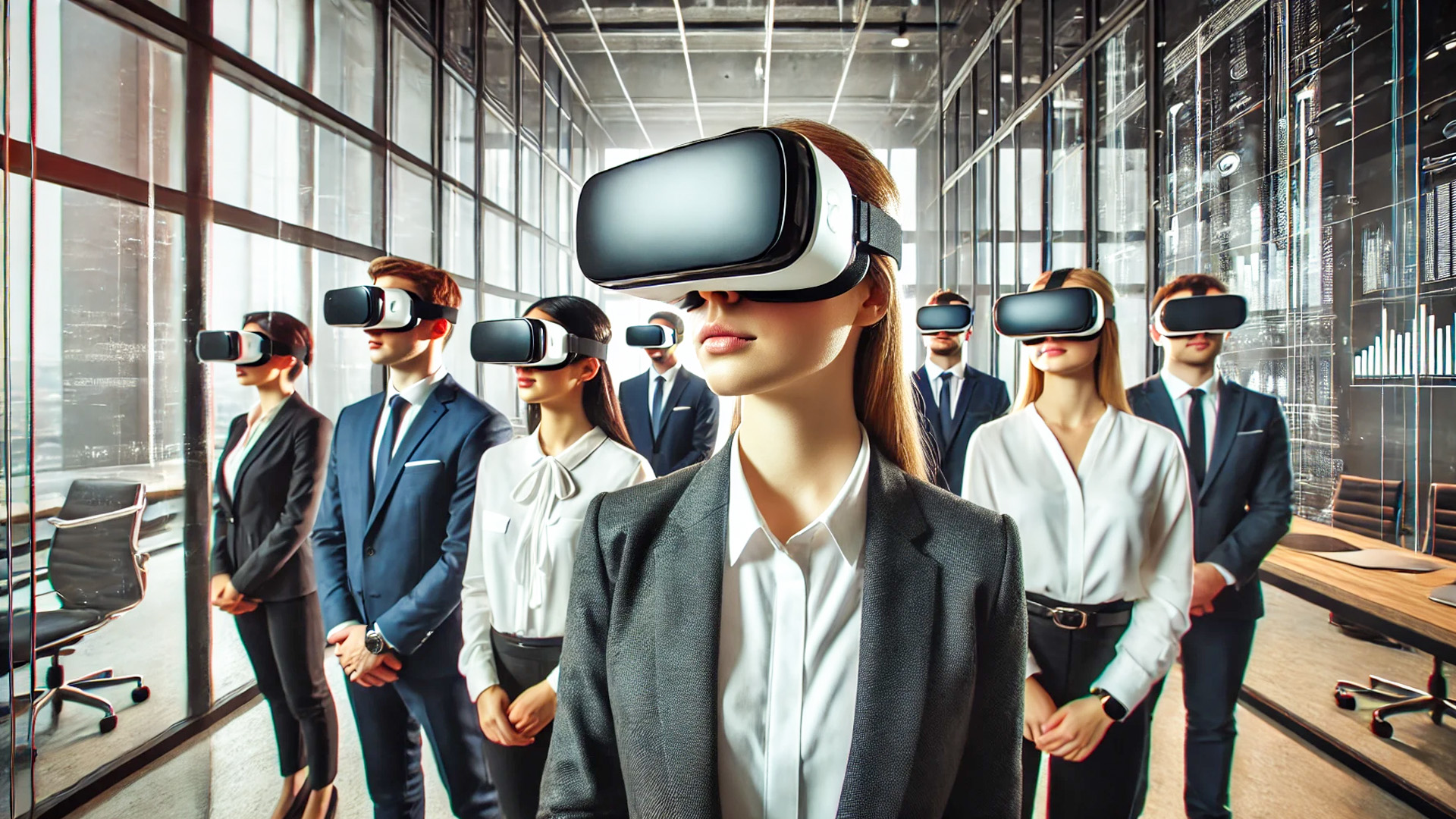
Case Studies: VR Success Stories in Business
Retail: Transforming the Shopping Experience
A leading global fashion retailer integrated VR into their e-commerce platform, allowing customers to virtually try on clothing and accessories. This immersive shopping experience significantly reduced return rates by enabling accurate visualization of products before purchase. Additionally, the retailer utilized VR analytics to gather data on customer preferences and behavior, informing inventory management and marketing strategies. The result was a substantial increase in sales and customer satisfaction, demonstrating the transformative potential of VR in the retail sector.
Manufacturing: Optimizing Production Processes
A major automotive manufacturer adopted VR for virtual assembly line simulations, enabling engineers to identify and rectify inefficiencies before implementing changes on the physical production floor. This proactive approach minimized downtime and reduced costs associated with trial-and-error modifications. VR-enabled remote collaboration allowed teams across different geographic locations to work together seamlessly, enhancing overall productivity and innovation within the organization.
Healthcare: Enhancing Patient Care and Training
A prominent healthcare provider implemented VR for surgical training and patient rehabilitation. Surgeons benefited from realistic simulations that honed their skills and improved surgical outcomes, while patients engaged in immersive therapy sessions that accelerated recovery times. This dual application of VR not only elevated the quality of care but also positioned the healthcare provider as a pioneer in medical technology, attracting top talent and expanding their patient base.
Real Estate: Revolutionizing Property Visualization
A leading real estate firm utilized VR to create virtual property tours, allowing prospective buyers to explore properties remotely. This technology expanded their market reach, attracting international clients and facilitating faster sales cycles. Additionally, VR-enabled design customization allowed buyers to visualize and modify interior layouts, enhancing their purchasing experience and increasing overall satisfaction.
Education: Redefining Learning Environments
An innovative educational institution integrated VR into their curriculum, offering students immersive learning experiences that transcend traditional classroom boundaries. Subjects such as history, science, and engineering were brought to life through interactive simulations and virtual field trips, fostering deeper engagement and understanding. This approach not only improved academic performance but also prepared students with the technological skills essential for the modern workforce.
Overcoming Challenges in VR Adoption
Addressing Technological Barriers
While the benefits of VR are substantial, businesses must navigate technological challenges to ensure successful implementation. High initial costs, the need for specialized hardware, and the requirement for robust infrastructure can pose significant hurdles. However, as VR technology becomes more mainstream, the costs are gradually decreasing, and solutions are emerging to integrate VR seamlessly into existing systems. Strategic investment in scalable VR platforms and partnerships with technology providers can mitigate these barriers, facilitating smoother adoption.
Ensuring User Accessibility and Comfort
User accessibility and comfort are critical factors in the widespread acceptance of VR. Prolonged use of VR headsets can lead to discomfort or motion sickness for some individuals. To address this, businesses must prioritize ergonomic design and incorporate features that minimize adverse effects, such as adjustable settings and intuitive interfaces. Additionally, providing training and support can enhance user proficiency and confidence, ensuring that employees and customers can fully leverage the benefits of VR without experiencing discomfort.
Navigating Privacy and Security Concerns
The immersive nature of VR necessitates stringent privacy and security measures to protect sensitive data and user information. Businesses must implement robust cybersecurity protocols and comply with data protection regulations to safeguard against potential breaches. This includes encrypting data transmissions, securing VR platforms, and conducting regular security audits. By prioritizing privacy and security, businesses can build trust with their users and mitigate risks associated with VR adoption.
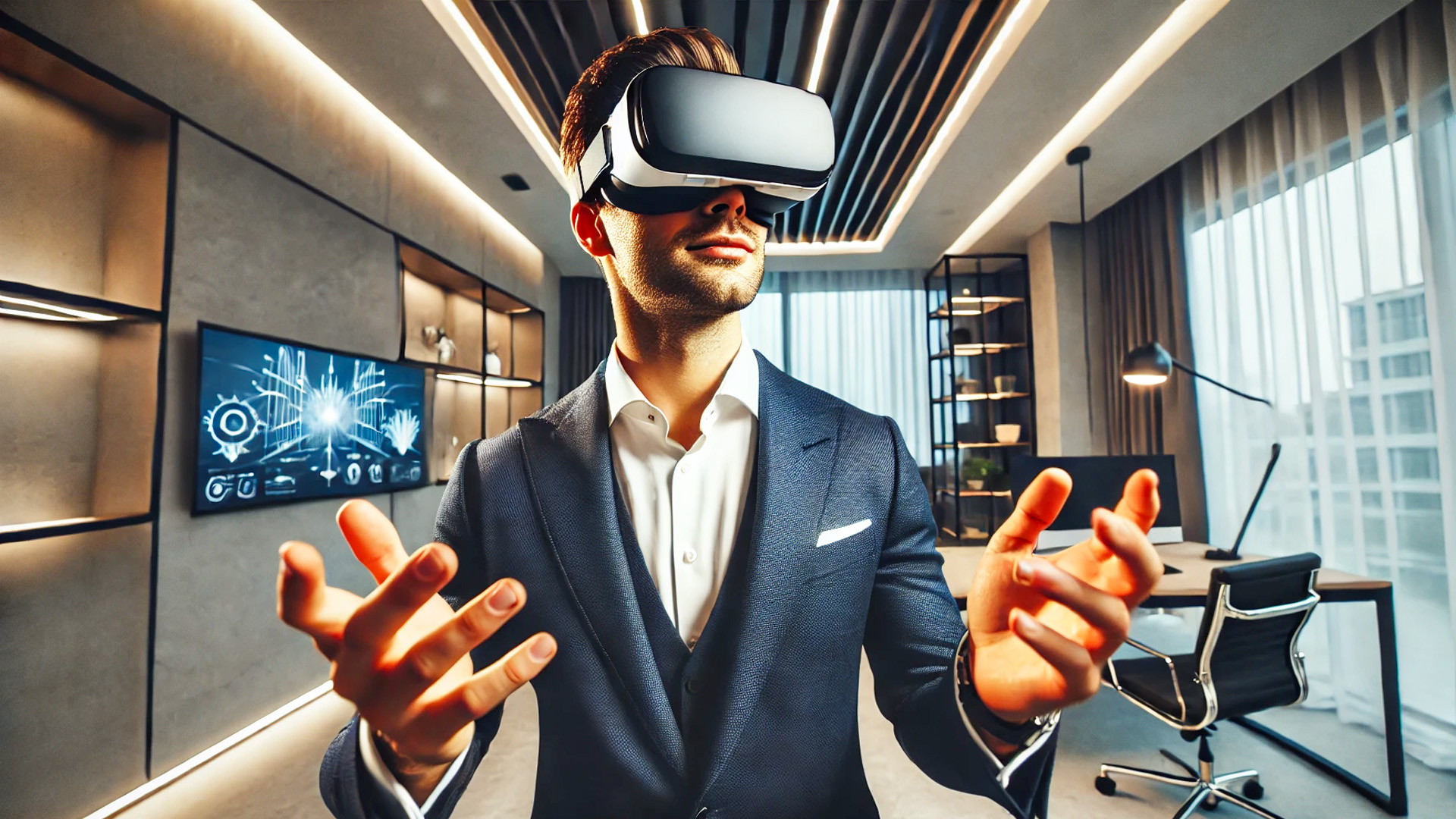
The Future of VR in Business: Trends to Watch
Integration with Artificial Intelligence
The convergence of VR and Artificial Intelligence (AI) is set to unlock new possibilities for businesses. AI-powered virtual assistants can enhance VR interactions by providing real-time support and personalized experiences. For instance, in virtual training environments, AI can adapt scenarios based on individual performance, offering tailored feedback and guidance. This synergy between VR and AI will drive more intelligent and responsive business solutions, elevating overall operational effectiveness.
Expansion of Augmented and Mixed Reality Applications
Augmented Reality (AR) and Mixed Reality (MR) are expanding the horizons of immersive technology, offering complementary capabilities to VR. Businesses are increasingly adopting these technologies to create hybrid experiences that blend the virtual and physical worlds. For example, in retail, AR can overlay digital information onto physical products, enhancing the shopping experience without fully immersing the customer in a virtual environment. This expansion allows businesses to leverage the strengths of each technology, creating more versatile and impactful solutions.
Evolution of Social VR Platforms
Social VR platforms are evolving to support more sophisticated and interactive experiences, facilitating virtual networking, collaboration, and community building. Businesses can harness these platforms to host virtual conferences, team-building activities, and social events, fostering a more connected and engaged workforce. As these platforms become more advanced, they will offer richer features and greater customization, enabling businesses to create unique and meaningful virtual interactions that enhance organizational culture and cohesion.
Advancements in Haptic Feedback and Sensory Integration
The future of VR lies in enhancing sensory experiences through advancements in haptic feedback and sensory integration. By incorporating tactile sensations, temperature variations, and even olfactory cues, VR can deliver more realistic and immersive experiences. For businesses, this means creating virtual environments that closely mimic real-world interactions, enhancing the effectiveness of training programs, product demonstrations, and customer engagements. These sensory enhancements will deepen user immersion, making VR an even more powerful tool for business applications.
Strategic Steps for Implementing VR in Your Business
Assessing Business Needs and Objectives
Before integrating VR into your business operations, it's essential to conduct a comprehensive assessment of your specific needs and objectives. Identify the areas where VR can deliver the most significant impact, whether it's in training, customer engagement, product development, or operational efficiency. Establish clear goals and metrics to evaluate the effectiveness of VR initiatives, ensuring that they align with your overall business strategy and drive measurable results.
Selecting the Right VR Solutions and Partners
Choosing the appropriate VR solutions and partners is crucial for successful implementation. Evaluate various VR platforms and technologies to determine which ones best meet your business requirements and budget constraints. Consider factors such as scalability, compatibility with existing systems, and the level of customization offered. Additionally, partnering with experienced VR developers and consultants can provide valuable insights and expertise, facilitating a smoother integration process and maximizing the potential of your VR investments.
Developing a Comprehensive Implementation Plan
A well-structured implementation plan is vital for the seamless integration of VR into your business operations. Outline the necessary steps, including hardware acquisition, software development, employee training, and system testing. Establish a timeline with realistic milestones and allocate resources effectively to support each phase of the implementation process. Additionally, incorporate feedback mechanisms to gather insights from users and make iterative improvements, ensuring that the VR solutions evolve to meet your business's changing needs.
Fostering a VR-Ready Organizational Culture
Embracing VR requires fostering a culture that is open to innovation and technological adoption. Encourage employees to explore and experiment with VR tools, providing opportunities for hands-on training and skill development. Highlight the benefits of VR through success stories and case studies, demonstrating its value in enhancing productivity and achieving business goals. By cultivating a VR-ready mindset, businesses can ensure that their workforce is equipped to leverage immersive technology effectively, driving sustained growth and competitive advantage.
Monitoring and Evaluating VR Performance
Continuous monitoring and evaluation are essential to ensure that VR initiatives deliver the desired outcomes. Utilize analytics and performance metrics to track the effectiveness of VR applications, identifying areas for improvement and optimization. Gather feedback from users to understand their experiences and address any challenges or concerns. Regularly review and update your VR strategies to align with evolving business objectives and technological advancements, ensuring that your VR investments continue to generate value and support your long-term goals.
Embracing Virtual Reality in 2025 is not merely a technological upgrade; it's a strategic imperative that can redefine the way businesses operate, innovate, and engage with their stakeholders. By harnessing the transformative power of VR, companies can unlock new levels of efficiency, creativity, and customer satisfaction, positioning themselves at the forefront of the digital revolution. As immersive technology continues to evolve, the businesses that proactively integrate VR into their strategies will undoubtedly lead the charge in shaping the future of commerce and industry.
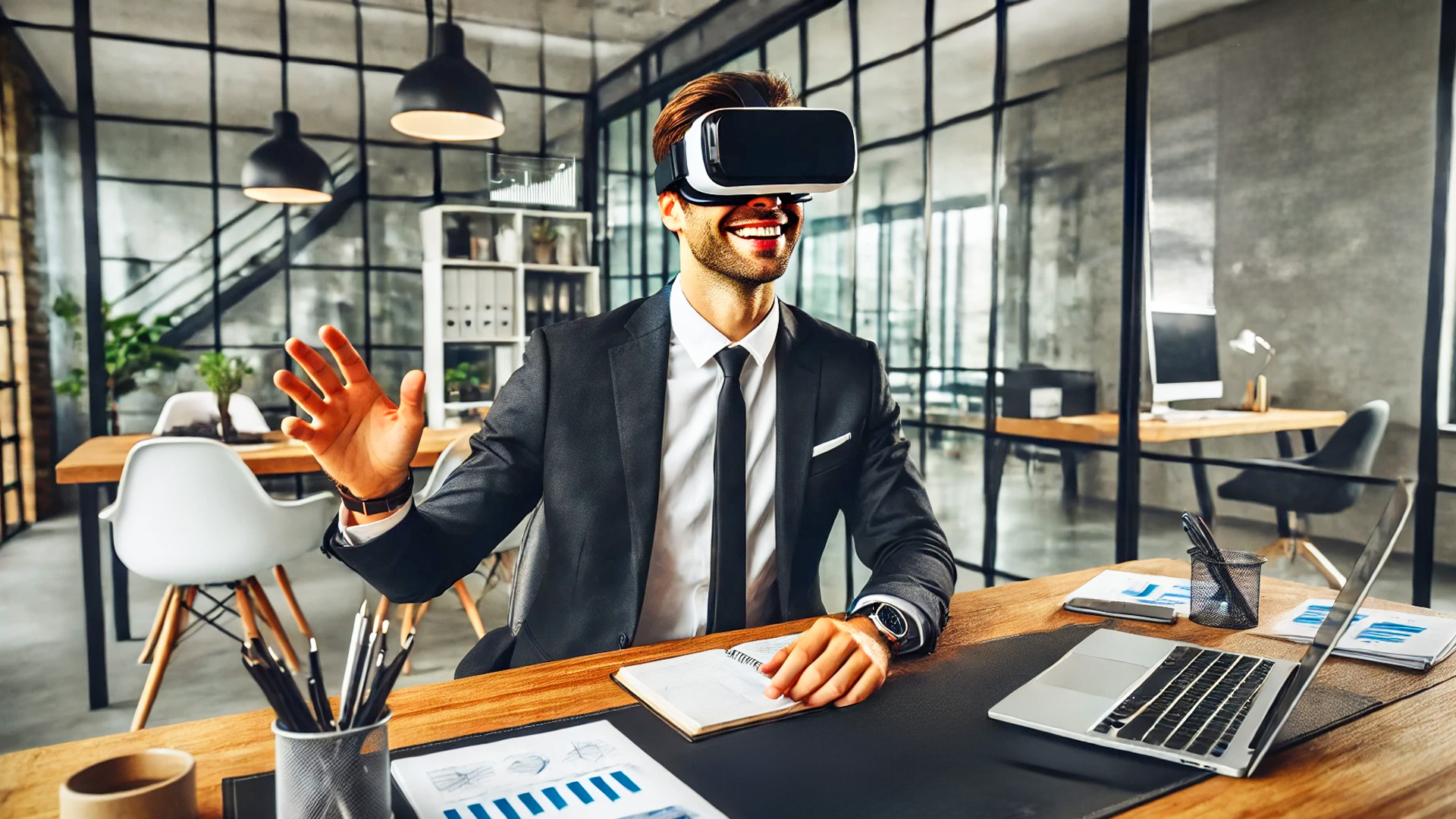
The Future Of Vr In Business