
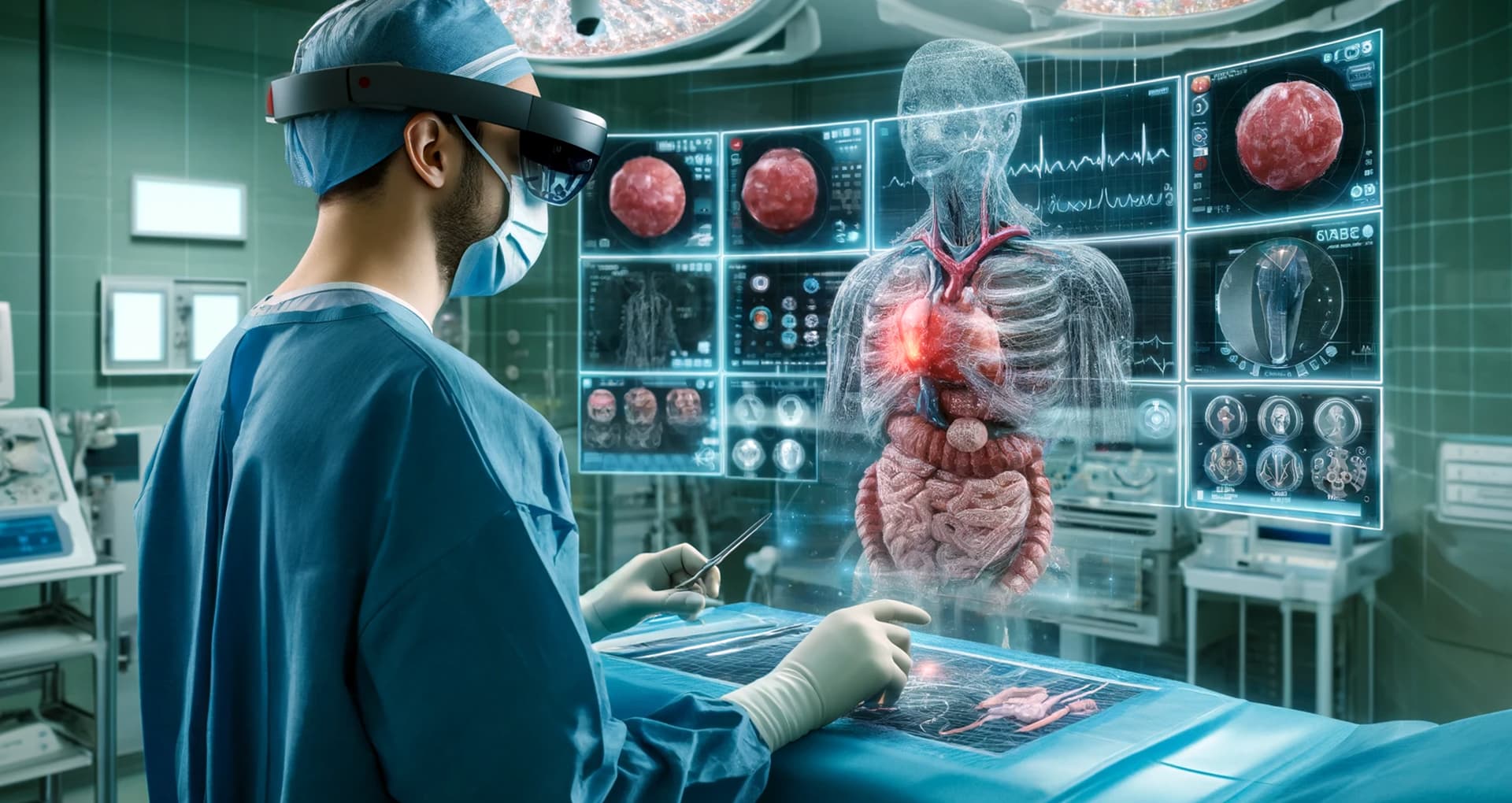
In the rapidly evolving world of technology, Mixed Reality (MR) emerges as a groundbreaking innovation, blending the physical and digital realms to create a new dimension of interaction. As businesses, educators, and entertainment sectors increasingly adopt MR, understanding its core concepts and potential applications becomes essential. This article aims to demystify Mixed Reality, explaining its definition, components, and how it stands out in the continuum of virtual experiences.
What is Mixed Reality?
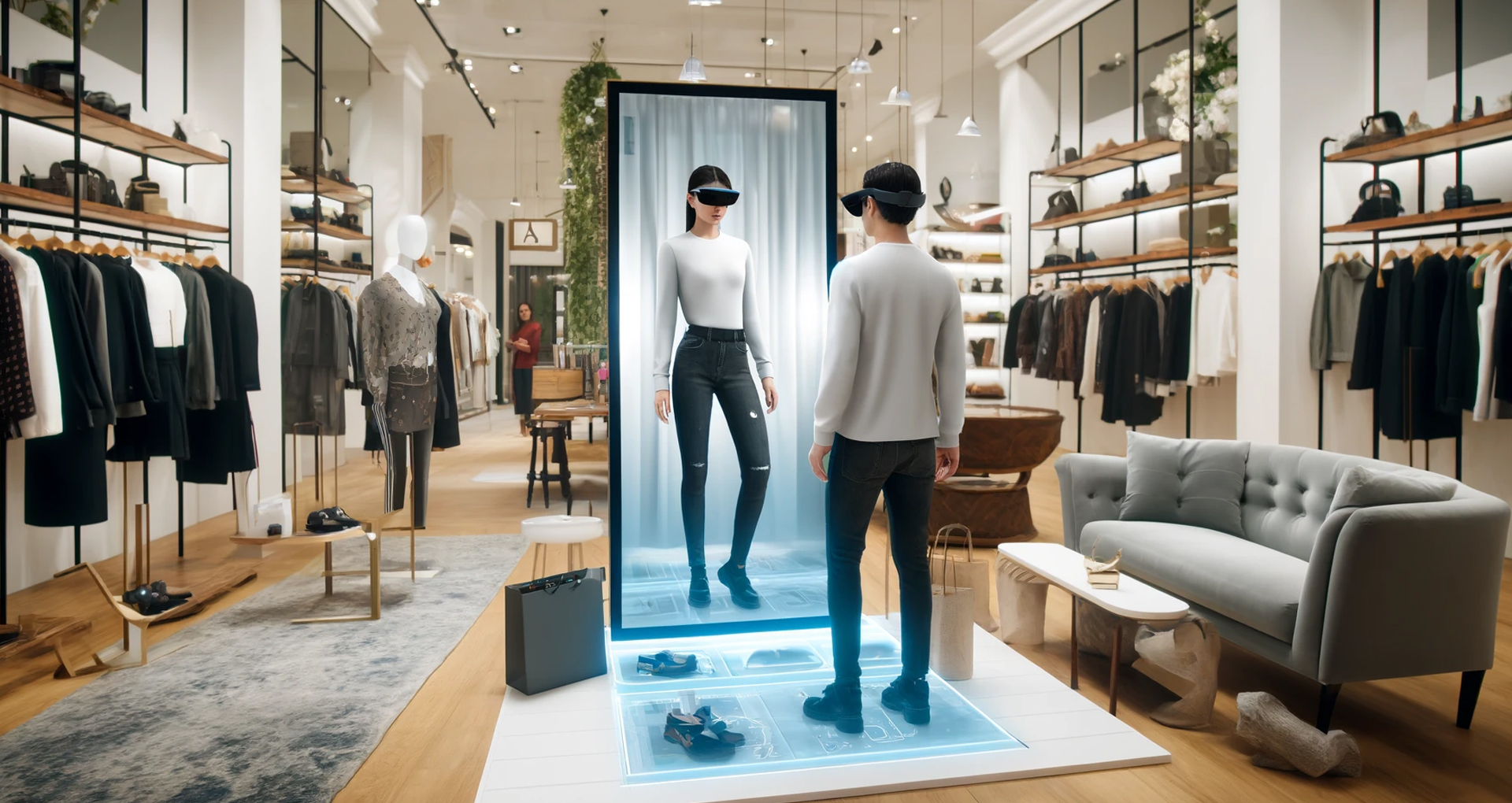
Mixed Reality is an advanced technology that merges the real and virtual worlds to produce new environments and visualizations where physical and digital objects co-exist and interact in real time. It integrates the best aspects of both Augmented Reality (AR) and Virtual Reality (VR), creating a hybrid environment. Unlike VR, which immerses users completely in a digital environment, or AR, which overlays digital content onto the real world without interaction, MR allows for seamless interaction between both realms.
How Does Mixed Reality Work?
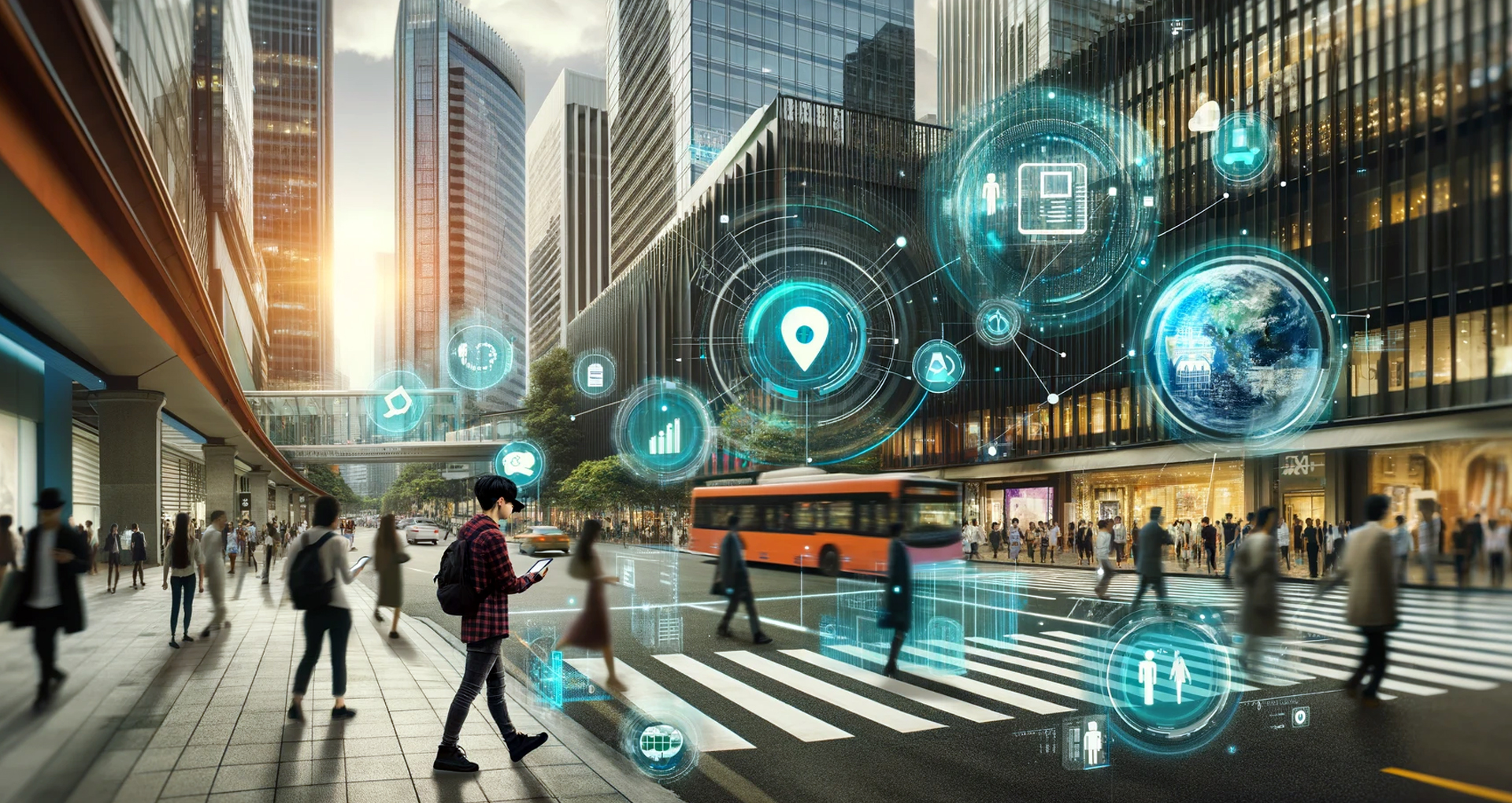
MR works by scanning the physical environment and then integrating and anchoring virtual objects to it. This process requires sophisticated hardware, such as head-mounted displays (HMDs) with advanced sensors, cameras, and sometimes even gloves or other wearables to facilitate interaction. These devices are equipped with spatial awareness and depth perception capabilities, enabling them to project digital content into the real world while allowing users to manipulate and interact with the virtual elements as if they were tangible.
Key Components of Mixed Reality:
Applications of Mixed Reality:
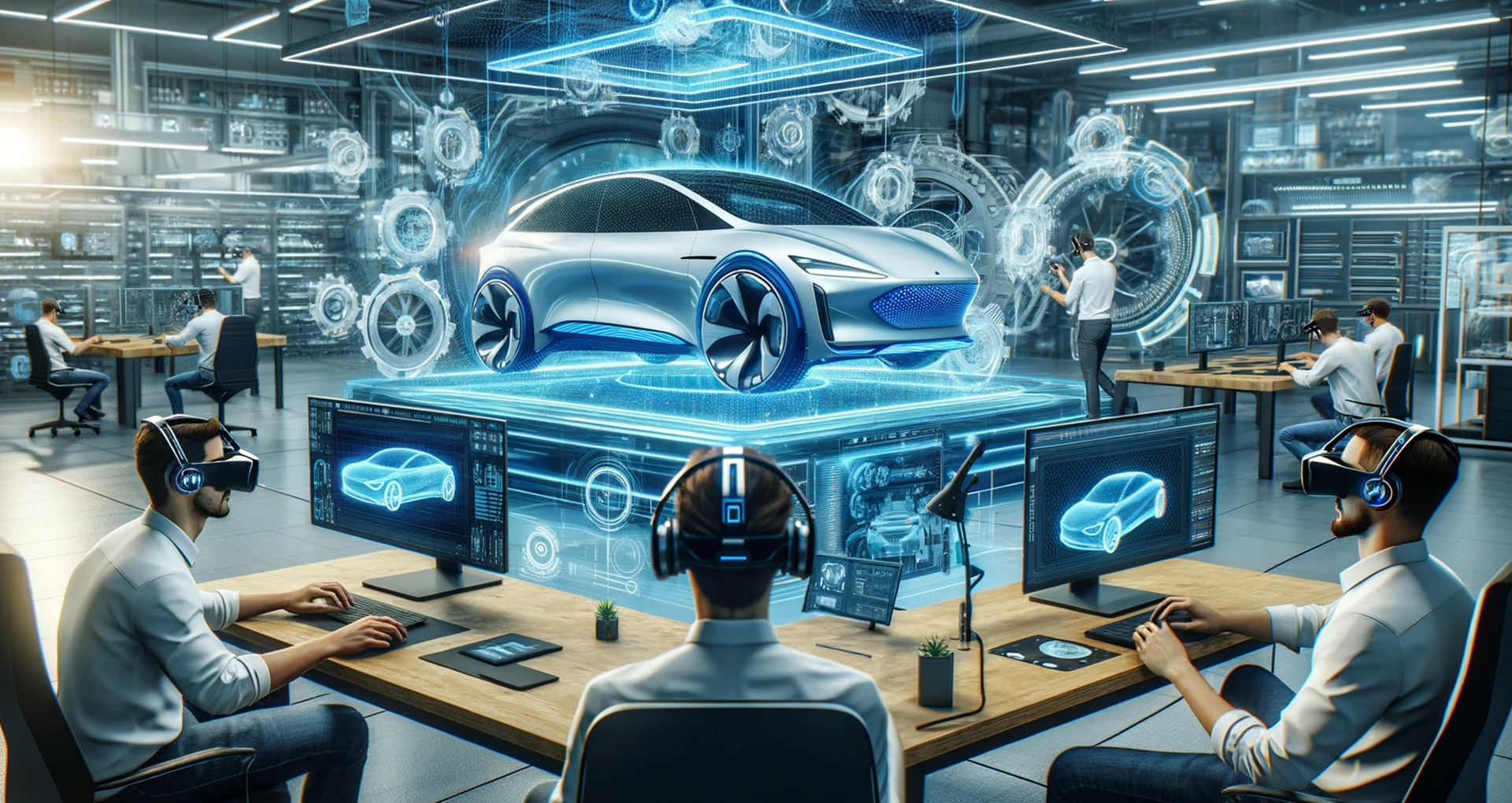
Mixed Reality has a wide array of applications across various sectors:
The Future of Mixed Reality:
As technology advances, the potential for Mixed Reality expands. With improvements in AI, cloud computing, and 5G, MR experiences will become more immersive and accessible. Future developments could lead to even more intuitive interactions, where MR seamlessly integrates into daily activities, providing enhanced data visualization and decision-making tools in real time.
Conclusion: Mixed Reality represents a significant leap forward in how we interact with and perceive our world, offering limitless possibilities for innovation across industries. By understanding its fundamentals and applications, businesses and individuals can better prepare for a future where digital and physical realities coalesce, creating richer, more interactive experiences.