

3D modeling is a transformative technology that has revolutionized fields ranging from animation and video games to industrial design and architecture. It allows creators and engineers to visualize, simulate, and interact with objects in a three-dimensional space before they are built or manufactured. This article aims to provide a clear definition of 3D modeling, explore its methodologies, and highlight its diverse applications across various industries.
What is 3D Modeling?
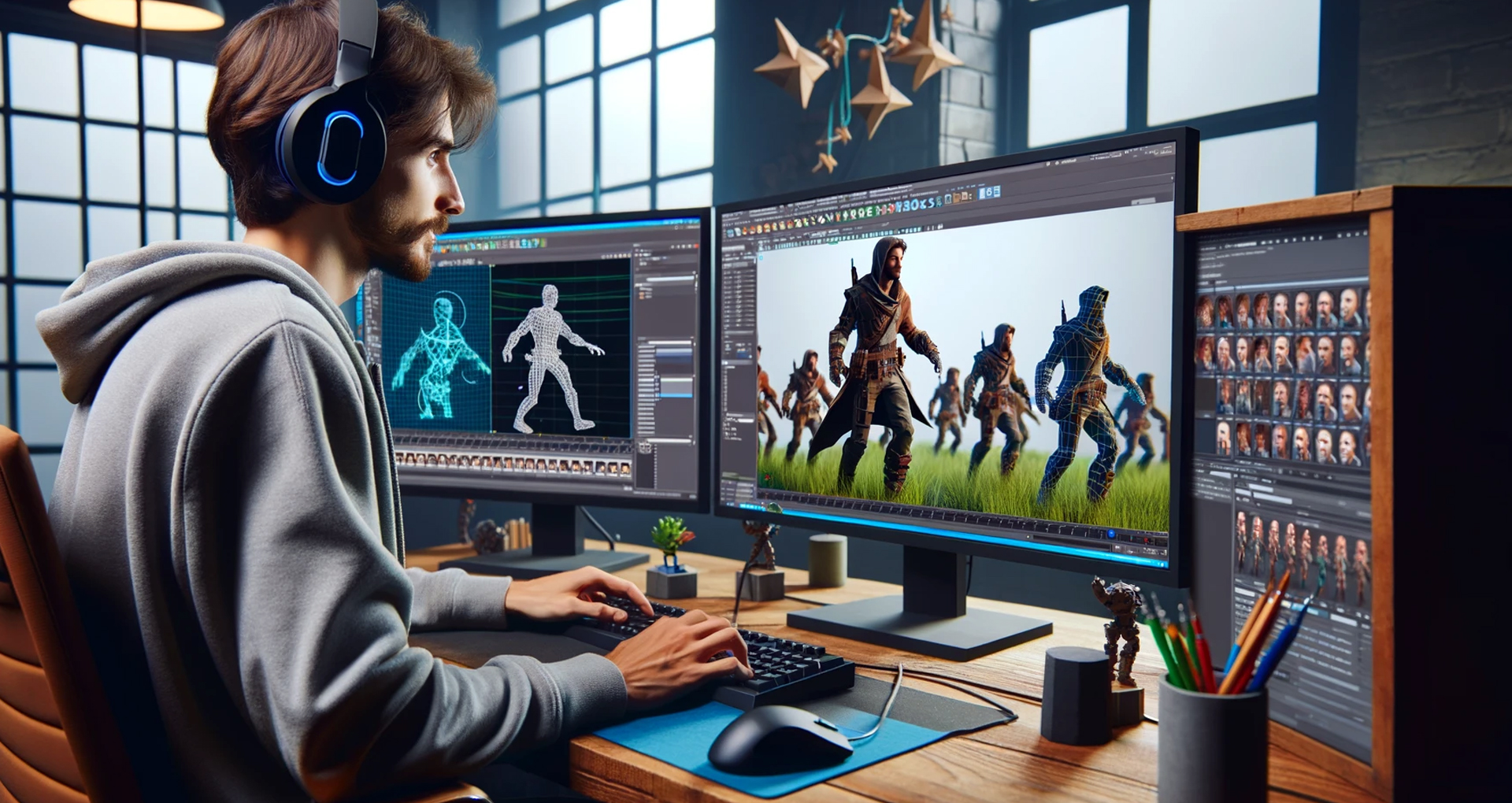
3D modeling is the process of using software to create a mathematical representation of a three-dimensional object or shape. This virtual model is created by manipulating edges, vertices, and polygons in simulated 3D space. 3D models can represent physical objects, both real and fictional, and can be used in a variety of mediums such as film, video games, and simulation.
How Does 3D Modeling Work?
3D modeling is typically performed using specialized software such as Autodesk Maya, Blender, or SketchUp. These tools allow designers to create complex surfaces and structures by manipulating points in virtual space. There are several techniques used in 3D modeling, including:
Key Stages in 3D Modeling:
Applications of 3D Modeling:
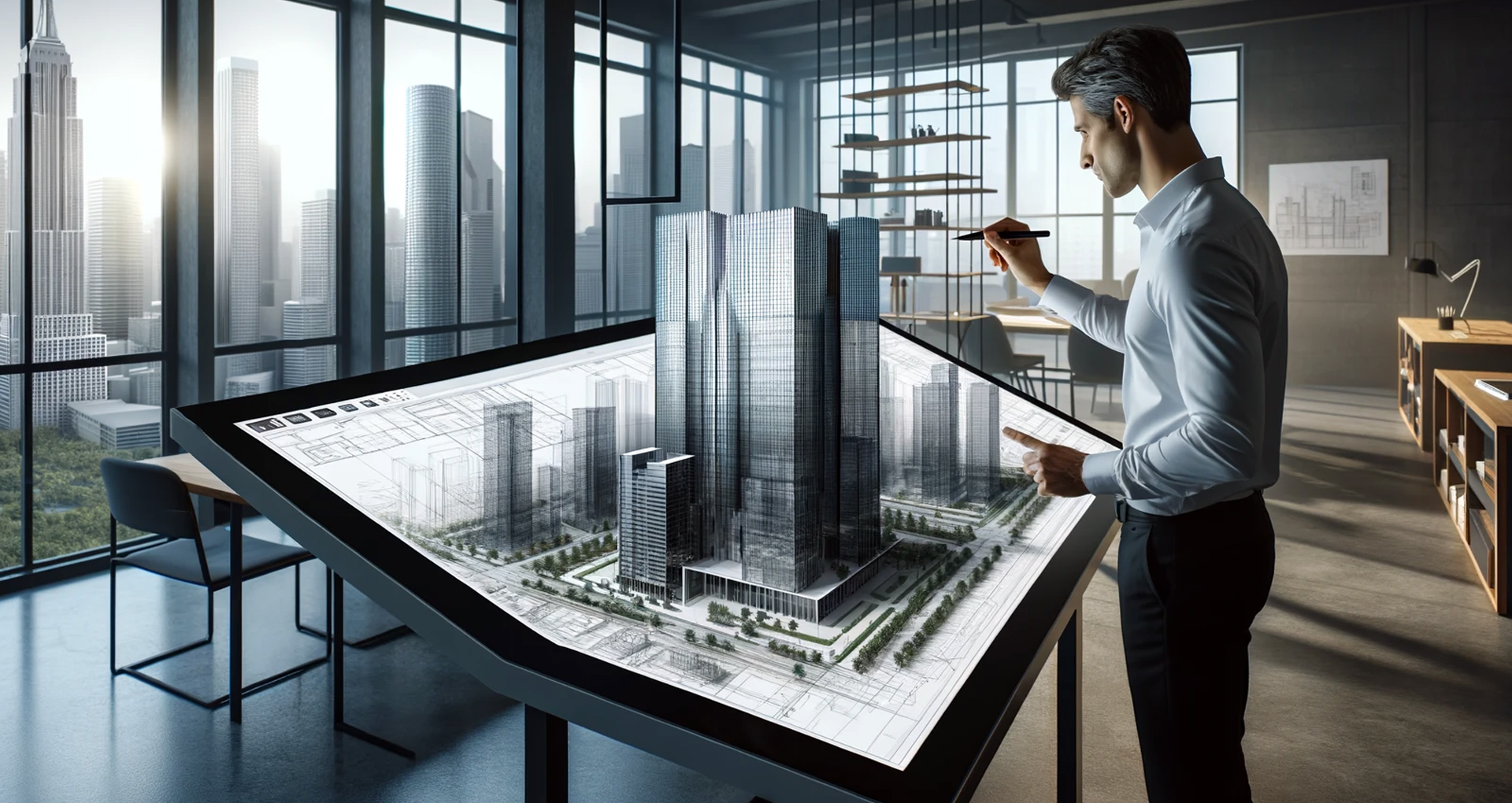
3D modeling has a wide array of applications across different sectors:
The Future of 3D Modeling:
As technology progresses, 3D modeling is becoming more sophisticated and accessible. Advancements in artificial intelligence and machine learning are beginning to automate aspects of the modeling process, making it faster and more efficient. Virtual and augmented reality technologies are also expanding the ways in which 3D models can be used and interacted with, providing immersive experiences that were previously impossible.
3D modeling is a vital tool in the digital age, enabling the creation of detailed, interactive, and realistic models that can be manipulated and tested in ways that physical prototypes cannot. Its impact is evident across a multitude of disciplines and industries, illustrating its importance in modern design and visualization. As we look to the future, the possibilities for 3D modeling continue to grow, promising even more exciting developments in digital creation.