

Virtual Reality (VR) is no longer a far-fetched concept reserved for science fiction. It has become a cornerstone of innovation within the gaming industry, creating a paradigm shift in how players interact with digital worlds. As technology advances, VR's influence on gaming continues to grow, promising an even more immersive and engaging experience for gamers worldwide. This article explores the profound impact VR has had on the gaming industry, tracing its journey from a niche curiosity to a mainstream sensation.
Overview of Virtual Reality in Gaming
VR entering gaming has fundamentally altered the landscape of the industry. By immersing players in a fully interactive, three-dimensional environment, VR transcends the limitations of traditional gaming platforms. Gamers are no longer passive observers but active participants in a world that reacts to their every move. The tactile nature of VR, combined with its ability to simulate reality, has opened up new avenues for storytelling, gameplay mechanics, and user experience, making it a revolutionary force in gaming.
Why VR is a Game-Changer for the Industry
Virtual Reality has redefined the parameters of gaming. Unlike traditional gaming setups that rely on flat screens and limited input methods, VR offers an unparalleled level of immersion. Players are placed directly into the game world, where they can interact with objects, characters, and environments in a manner that feels almost tangible. This level of engagement has not only enhanced the gaming experience but has also expanded the creative possibilities for game developers, allowing them to craft more intricate and interactive narratives.
The Growing Popularity of VR in Gaming
Over the past few years, VR has seen a significant increase in popularity within the gaming community. Initially considered a luxury or niche interest, advancements in technology have made VR more accessible to the average consumer. The introduction of more affordable VR headsets, coupled with a growing library of VR-compatible games, has contributed to this surge in popularity. As VR continues to gain traction, it is poised to become a dominant force in the gaming industry, attracting both casual and hardcore gamers alike.
The Evolution of Gaming: From Pixels to Immersive Worlds
Early Days of Gaming: A Brief History
The history of gaming is a story of evolution. From the simplistic pixels of early arcade games to the complex, lifelike graphics of today, gaming has always been driven by the pursuit of more immersive experiences. The 8-bit era, characterized by games like Pac-Man and Space Invaders, laid the foundation for what was to come. These early games were limited by the technology of their time, offering basic visuals and gameplay. However, they ignited the imagination of players and developers, setting the stage for future innovations.
The Advent of 3D and Realistic Environments
The transition from 2D to 3D gaming marked a significant milestone in the evolution of the industry. Games like Super Mario 64 and The Legend of Zelda: Ocarina of Time introduced players to expansive, three-dimensional worlds that could be explored in ways previously unimaginable. This shift not only enhanced the visual appeal of games but also allowed for more complex gameplay mechanics and deeper storytelling. As graphics technology continued to improve, game environments became increasingly realistic, blurring the line between the virtual and the real.
How VR Has Transformed the Gaming Experience
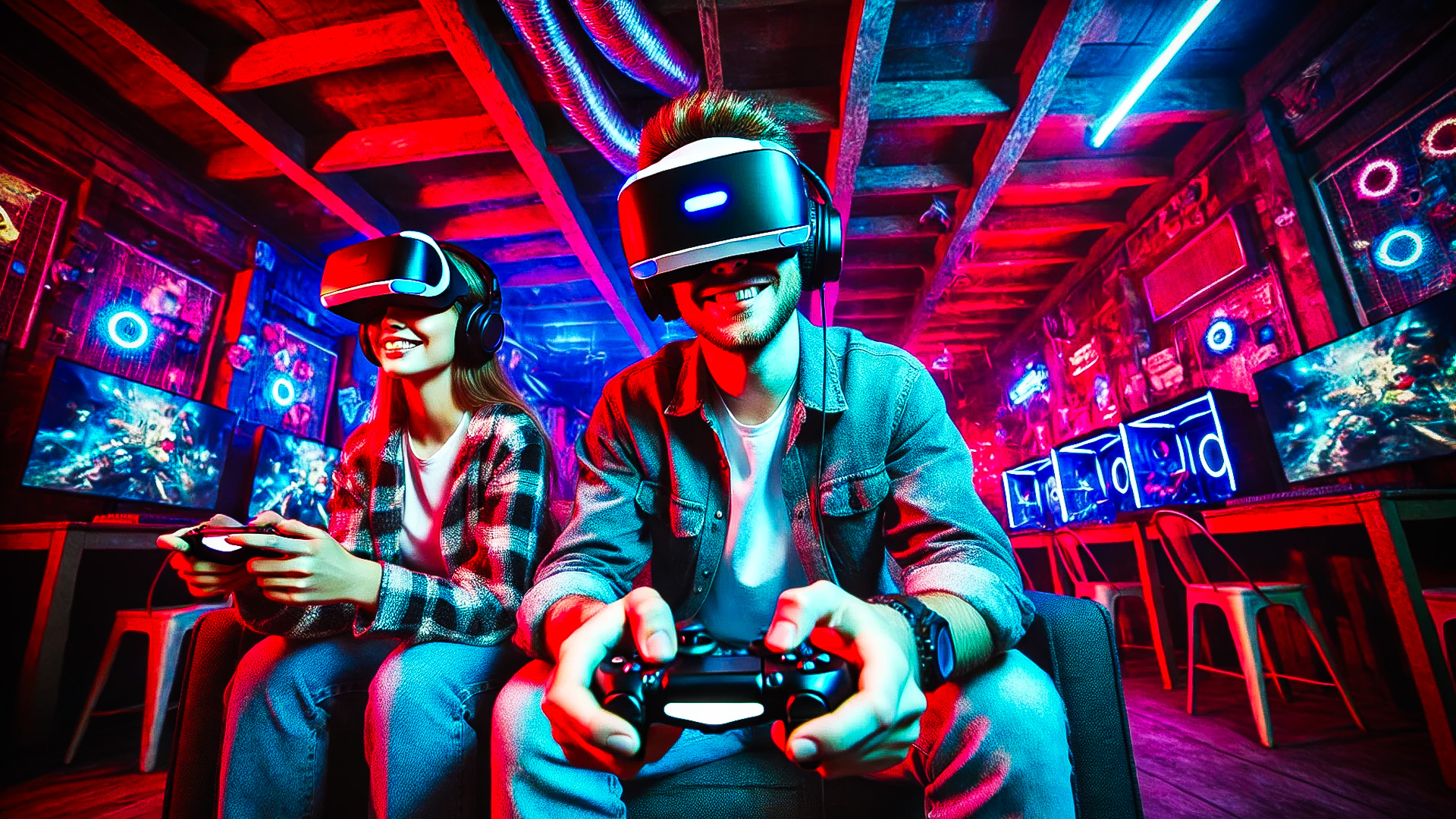
VR has taken the concept of immersion to a whole new level. By placing players directly into the game world, VR eliminates the barrier between the player and the screen. The sense of presence that VR creates is unparalleled, making players feel as though they are truly inside the game. This has opened up new possibilities for gameplay, allowing for more interactive and dynamic experiences. Whether it's exploring alien landscapes, battling enemies in a dystopian future, or simply enjoying a relaxing virtual environment, VR offers a level of engagement that traditional gaming cannot match.
Technological Advancements Driving VR in Gaming
Cutting-Edge Hardware: Headsets, Controllers, and More
The success of VR in gaming is largely due to the advancements in hardware that have made the technology more accessible and effective. Modern VR headsets, such as the Oculus Rift and the PlayStation VR, offer high-resolution displays, accurate motion tracking, and comfortable designs that make prolonged use possible. These headsets are often paired with controllers that mimic the feel of real-world objects, further enhancing the immersive experience. Additionally, innovations like haptic feedback and motion-sensing gloves are pushing the boundaries of what VR can achieve, allowing for even more realistic interactions within virtual environments.
The Role of Software: Game Engines and VR Optimization
Hardware alone is not enough to create a compelling VR experience; the software plays an equally important role. Game engines like Unreal Engine and Unity have been at the forefront of VR development, providing the tools needed to create detailed and responsive virtual worlds. These engines offer features such as real-time rendering, physics simulation, and AI integration, all of which are essential for creating believable VR environments. Furthermore, optimization techniques ensure that VR games run smoothly, providing a seamless experience that keeps players immersed.
The Integration of AI and VR: A New Level of Immersion
Artificial intelligence (AI) has become a crucial component of VR gaming, enhancing the level of immersion by making virtual characters and environments more responsive and lifelike. In VR, AI can be used to create non-player characters (NPCs) that react in realistic ways to the player's actions, adding depth to the gameplay. AI-driven procedural generation can also create vast, dynamic worlds that evolve based on the player's decisions. This combination of VR and AI is opening up new possibilities for interactive storytelling, where the player's choices have a direct impact on the narrative.
The Player Experience: Immersion Beyond the Screen
How VR Enhances Player Engagement and Interaction
One of the most significant benefits of VR is its ability to enhance player engagement. By immersing players in a 360-degree environment, VR allows for a level of interaction that is simply not possible with traditional gaming. Players can look around, move within the game world, and interact with objects in a way that feels natural and intuitive. This high level of interactivity makes the gaming experience more engaging and memorable, drawing players into the story and keeping them invested in the outcome.
The Psychology of Presence: Feeling Truly 'In' the Game
The concept of "presence" is central to the VR experience. Presence refers to the feeling of being physically present in a virtual environment, to the point where it feels as real as the physical world. This psychological phenomenon is what makes VR so compelling; when players feel truly "in" the game, their emotional and cognitive responses are heightened. This can lead to a deeper connection with the game, as players become more emotionally invested in the characters and the story. The sense of presence is what sets VR apart from other forms of gaming, offering an experience that is both immersive and transformative.
Social and Multiplayer VR: Connecting Gamers Like Never Before
VR is not just about solo experiences; it also has the potential to revolutionize social and multiplayer gaming. VR platforms allow players to connect with others in shared virtual spaces, where they can interact in real-time. This creates opportunities for collaborative gameplay, where players can work together to achieve common goals, or competitive gameplay, where they can face off against each other in virtual arenas. The social aspect of VR adds a new dimension to gaming, making it a more communal and interactive experience. Whether it's teaming up with friends for a virtual adventure or meeting new people in a virtual world, VR is connecting gamers like never before.

Economic Impacts of VR on the Gaming Industry
The Rise of VR Game Development Studios
As VR continues to grow in popularity, there has been a corresponding rise in the number of game development studios specializing in VR content. These studios are dedicated to creating games that leverage the unique capabilities of VR, resulting in a new wave of innovative and immersive experiences. The success of VR games like Beat Saber and Half-Life: Alyx has demonstrated the potential for VR to become a major player in the gaming industry. This has led to increased investment in VR game development, with studios expanding their teams and resources to meet the growing demand for VR content.
VR's Influence on Game Sales and Revenue Models
The introduction of VR has also had a significant impact on game sales and revenue models. VR games often command higher prices than traditional games, reflecting the complexity and cost of developing immersive VR experiences. Additionally, the unique nature of VR has led to the development of new revenue models, such as subscription services for VR content and the sale of virtual goods and experiences. These new models are helping to drive revenue growth in the gaming industry, as players are willing to pay a premium for high-quality VR experiences.
The Expanding Market: VR Accessories and Add-Ons
The growth of VR in gaming has also led to the development of a thriving market for VR accessories and add-ons. From specialized controllers and haptic feedback devices to VR-ready PCs and gaming chairs, there is a wide range of products designed to enhance the VR experience. This has created new opportunities for manufacturers and retailers, as the demand for VR accessories continues to rise. As VR technology continues to evolve, we can expect to see even more innovative accessories that push the boundaries of what is possible in virtual gaming.
Challenges and Limitations of VR in Gaming
Accessibility: High Costs and Technological Barriers
Despite its many advantages, VR in gaming is not without its challenges. One of the most significant barriers to widespread adoption is the cost of VR hardware. High-quality VR headsets and compatible gaming PCs can be prohibitively expensive for many consumers, limiting the accessibility of VR gaming. Additionally, the technology required to run VR games smoothly is still evolving, and not all gamers have access to the necessary equipment. These technological barriers must be addressed to make VR more accessible to a broader audience.
Motion Sickness and Physical Discomfort: Overcoming VR's Side Effects
Another challenge facing VR in gaming is the issue of motion sickness and physical discomfort. Some players experience nausea, dizziness, or headaches when using VR headsets, particularly during extended gaming sessions. This can be a significant deterrent for potential VR gamers, as these side effects can diminish the enjoyment of the experience. Game developers and hardware manufacturers are working to address these issues through improved motion tracking, higher frame rates, and more comfortable headset designs. However, it remains a challenge that must be overcome to ensure the long-term success of VR in gaming.
The Learning Curve: Adapting Traditional Games to VR
Adapting traditional games to VR is not a straightforward process. Many games that work well on traditional platforms may not translate effectively to VR, due to differences in gameplay mechanics and user interaction. This presents a challenge for developers who want to bring their existing games to the VR market. It requires rethinking the design and mechanics of the game to ensure it provides an enjoyable and immersive experience in VR. While some games have successfully made the transition, others have struggled, highlighting the need for careful consideration when adapting games to VR.

The Future of Virtual Reality in Gaming
Upcoming Innovations in VR Technology
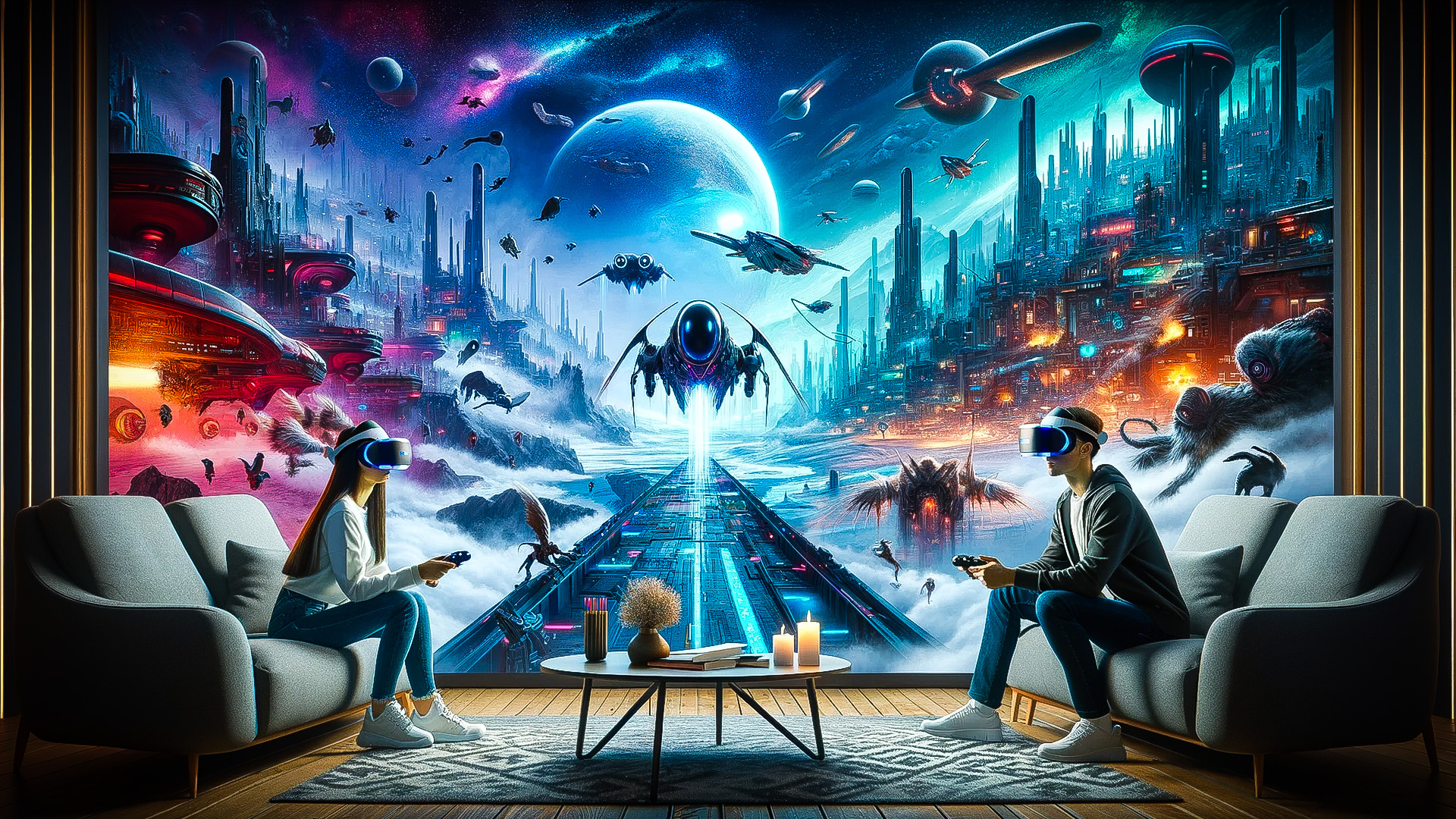
The future of VR in gaming looks bright, with numerous innovations on the horizon that promise to take the technology to new heights. Developments in display technology, such as higher-resolution screens and foveated rendering, will improve the visual fidelity of VR experiences. Advances in motion tracking and haptic feedback will enhance the sense of immersion, making virtual worlds feel even more real. Additionally, the integration of cloud gaming with VR could allow for more complex and expansive games, without the need for high-end hardware. These innovations will continue to push the boundaries of what is possible in VR gaming.
How VR Could Revolutionize Competitive Gaming and Esports
Competitive gaming and esports are already massive industries, and VR has the potential to revolutionize them further. VR esports could offer a level of physicality and immersion that is unmatched by traditional esports, attracting a new audience of players and spectators. Imagine a future where VR esports tournaments take place in fully immersive virtual arenas, with players physically moving and interacting with the game world. This could open up new possibilities for competitive gaming, making it more engaging and accessible to a broader audience.
The Potential for VR to Influence Other Entertainment Industries
The impact of VR is not limited to gaming; it has the potential to influence other entertainment industries as well. VR could revolutionize the way we experience movies, concerts, and live events, offering fully immersive experiences that transport viewers to new worlds. The ability to interact with virtual environments could also change the way we consume media, making it a more active and engaging experience. As VR technology continues to evolve, we can expect to see its influence spread beyond gaming, reshaping the entire entertainment landscape.
Recap of VR's Impact on the Gaming Industry
Virtual Reality has had a profound impact on the gaming industry, transforming the way games are played, developed, and experienced. From the early days of gaming to the current era of immersive VR experiences, the industry has undergone a significant evolution. VR has brought a new level of engagement and interaction to gaming, creating opportunities for innovation and growth that were previously unimaginable.
Final Thoughts on the Future of Gaming with VR
As we look to the future, it is clear that VR will continue to play a pivotal role in the gaming industry. The technology is still in its early stages, with many exciting developments on the horizon. As VR becomes more accessible and continues to evolve, it will shape the future of gaming in ways that we can only begin to imagine. The possibilities are endless, and the future of gaming with VR is incredibly promising.
Encouraging Readers to Embrace the VR Gaming Revolution
The VR gaming revolution is well underway, and now is the perfect time to embrace this exciting technology. Whether you are a seasoned gamer or new to the world of gaming, VR offers a unique and immersive experience that is unlike anything else. As the technology continues to improve and become more accessible, there has never been a better time to dive into the world of VR gaming.
The Future Of Virtual Reality In Gaming