

Virtual real estate, at its core, represents parcels of land that exist entirely in digital environments. These spaces are not tangible, but they are as coveted as physical properties in the real world. Just like buying land in a bustling metropolis or a serene coastal town, acquiring virtual real estate means owning a piece of a specific virtual platform. Whether it's a plot in a digital city, a floating island in a fantasy world, or a virtual skyscraper, this new form of property ownership has captured the imagination of investors, creators, and futurists alike.
Why the Metaverse is the Next Frontier for Property Investment
As our lives increasingly integrate with digital platforms, the metaverse has emerged as the next frontier in property investment, transforming how we perceive ownership. The metaverse is a collection of interconnected virtual worlds where individuals can socialize, work, play, and even invest in digital property. Major tech players like Meta, Google, and Microsoft are heavily investing in these virtual environments, highlighting the enormous potential of this market. Virtual real estate is gaining attention due to its limitless nature'unlike physical land, which is finite, virtual spaces can expand infinitely, limited only by the creativity of developers. This freedom allows investors to imagine unprecedented opportunities, such as creating bustling virtual shopping districts, event venues, or even residential areas for avatars. Additionally, the metaverse is evolving with the growth of its user base. As more people join these virtual worlds, demand for digital property will increase, driving up the value of virtual land. It's not just a tech trend'virtual real estate is quickly becoming a viable, lucrative investment opportunity with vast potential for growth and innovation.
Overview of Key Platforms Dominating the Virtual Property Market
Several leading platforms have emerged as major players in the virtual real estate market, each offering distinct ecosystems. Decentraland, a pioneer in the space, allows users to buy, develop, and sell land parcels using blockchain technology and cryptocurrency, making it a decentralized, user-driven platform. The Sandbox, known for its voxel-based world, enables users to create interactive experiences, driving value through user-generated content. Somnium Space provides a highly immersive virtual reality experience, where users can engage in real-time interactions, buy property, and build within a shared 3D world. These platforms, supported by blockchain technology, ensure the ownership, scarcity, and tradeability of digital property, making them foundational to the future of virtual real estate markets.
Understanding Virtual Land Ownership
The Concept of Digital Land: How It Works
Digital land mirrors many aspects of physical real estate but operates entirely within virtual environments on platforms like Decentraland and The Sandbox. Users can purchase virtual parcels, typically using cryptocurrency, and these parcels are stored as digital assets on a blockchain. Ownership is recorded through NFTs (non-fungible tokens), which act as unique, non-replicable certificates, ensuring the land is verifiably yours. The creative potential of virtual land is immense. Owners can develop their land into digital homes, stores, event spaces, art galleries, or even entire amusement parks. Some have turned their virtual properties into business ventures by hosting events or selling virtual goods, while others rent out their land to other users, mimicking physical real estate models. The land can also be resold, often for a profit, depending on the demand within the platform. This digital real estate opens up new opportunities for investment, community building, and entertainment, all within a virtual ecosystem.
Blockchain and NFTs: Securing Ownership in the Metaverse
Blockchain technology is the backbone that ensures virtual land ownership and transactions are secure, transparent, and immutable. When users buy virtual land, an NFT is minted on the blockchain to serve as a digital deed, proving the land's authenticity and ownership. This decentralized ledger system makes it nearly impossible to tamper with or falsify ownership records, which adds a layer of security absent in traditional real estate. Blockchain's transparency means that all transactions are publicly recorded, making it easy to trace ownership history and verify the legitimacy of digital property trades. NFTs and blockchain have completely transformed how digital assets are acquired, owned, and sold, ensuring that virtual real estate transactions carry the same, if not more, trust as their physical counterparts.
Virtual Land vs. Physical Land: Key Differences and Similarities
Virtual and physical land share several key characteristics, such as the ability to be bought, sold, developed, and rented. However, the metaverse presents a fundamentally different landscape. In virtual worlds, land is not bound by physical limitations'there are no geographic barriers, and zoning laws don't apply. Owners have total creative freedom to build whatever they can imagine. Yet, unlike physical land, digital real estate is subject to higher volatility. Prices can fluctuate rapidly depending on the popularity of the platform and broader market conditions. Additionally, while traditional real estate is governed by a wide array of laws and regulations, virtual property markets remain largely unregulated, making investment in digital land both an innovative and risky venture. As the metaverse evolves, it's likely that legal frameworks will emerge, but for now, investors must navigate this space with caution.

Buying Virtual Real Estate: A Step-by-Step Guide
Choosing the Right Platform: Decentraland, Sandbox, and Others
Choosing the ideal platform is crucial when venturing into virtual real estate. Each metaverse platform offers unique features, communities, and investment opportunities. Decentraland is a decentralized platform ideal for users seeking to create immersive digital experiences like virtual galleries, shopping centers, or event venues. It is built around user interaction and ownership, with parcels of land offering long-term investment potential as the platform grows. The Sandbox, on the other hand, places a stronger emphasis on user-generated content and gamification, making it attractive for creators who want to design games, experiences, or interactive environments. In both platforms, land is represented as NFTs and purchased using platform-specific cryptocurrencies such as MANA for Decentraland or SAND for The Sandbox. Additionally, emerging platforms like Somnium Space offer a fully immersive VR experience, catering to users looking for a more hands-on, lifelike environment. The choice of platform should align with your investment goals, the user communities you want to engage with, and the type of digital assets or experiences you wish to create.
Factors to Consider Before Purchasing Virtual Land
Several key factors must be weighed before purchasing virtual real estate. Location is critical'land closer to popular areas, like hubs or virtual attractions, tends to appreciate faster and can generate higher rental income or resale value. Just as in physical real estate, proximity to landmarks or virtual hotspots increases land desirability. User base and platform growth are also essential considerations. A thriving user base boosts the demand for land, while platforms with robust growth potential provide better long-term returns on investment (ROI). Additionally, it's important to stay informed about the platform's development roadmap, as future updates or expansions can affect the value and functionality of your virtual land. Aligning your investment strategy with the platform's long-term vision can significantly impact the success of your venture.
Navigating the Purchase Process: From Wallet Setup to Finalizing the Deal
The process of purchasing virtual land involves several key steps, each crucial for ensuring a smooth transaction. First, you'll need to set up a digital wallet, which is compatible with Ethereum-based cryptocurrencies like Metamask or others. Once the wallet is funded with the necessary cryptocurrency (e.g., MANA or SAND), you can browse available land parcels on the platform's marketplace. After selecting a plot, you initiate the purchase, transferring the digital land as an NFT to your wallet, which acts as proof of ownership. The transaction is secured on the blockchain, making it transparent and tamper-proof. Finally, the NFT representing the land will be safely stored in your wallet, confirming your ownership within the virtual world.
Selling Virtual Properties: Maximizing Your ROI
Timing the Market: When to Sell for Maximum Profit
Selling virtual real estate at the right time is crucial to maximizing profit, much like traditional property investments. The value of virtual land can fluctuate depending on factors such as platform growth, user engagement, and broader market trends in the cryptocurrency and NFT spaces. It's essential to stay informed about updates from the platform, including announcements about new features, partnerships, or expansions, as these can lead to a surge in demand and an increase in land prices. For example, when a popular metaverse platform like Decentraland releases new tools or opens up high-demand areas, landowners often see an increase in property values, providing an ideal window for selling. Similarly, major events such as NFT drops or collaborations with high-profile brands can drive user interest and inflate prices. Monitoring the broader market, particularly for shifts in cryptocurrency value or interest in the metaverse, can also help sellers identify the best time to list their properties for sale. Being strategic about timing is essential for capitalizing on the market's potential.
Enhancing the Value of Your Virtual Property
One of the unique advantages of owning virtual real estate is the ability to actively enhance its value through development. In the digital world, creativity is limitless'landowners can add interactive elements, design custom buildings, or host events that attract users, making the property more desirable. For example, transforming a basic parcel of land into an art gallery, virtual store, or entertainment venue can draw foot traffic and increase the property's resale value. Collaboration with digital artists or game developers to create engaging experiences further elevates the appeal of the land. Additionally, some landowners rent out their virtual spaces to businesses or event organizers, generating ongoing income. In essence, the more interactive and valuable the experience on the land, the more it's likely to appreciate in value, much like how physical real estate development works in prime locations.
Transferring Ownership: Key Legal and Technical Considerations
Transferring ownership of virtual land is simpler than traditional real estate transactions, thanks to blockchain technology, but there are still important technical and legal factors to consider. All transactions are executed on the blockchain, ensuring transparency and security. However, both buyer and seller need to verify that the transfer has been correctly recorded to avoid disputes. While there are currently few legal precedents governing virtual land ownership, keeping detailed records of transactions, including blockchain proofs and correspondence, is vital in case of future challenges. Since the metaverse and virtual real estate markets are still in their early stages, legal regulations may eventually become more complex, leading to the introduction of taxes or contract enforcement rules. For now, safeguarding transaction records and ensuring that all parties agree on the terms of transfer is key to a smooth and legally sound ownership transition.
Living in the Metaverse: What It Means to Reside in a Virtual World
Designing Your Dream Virtual Home
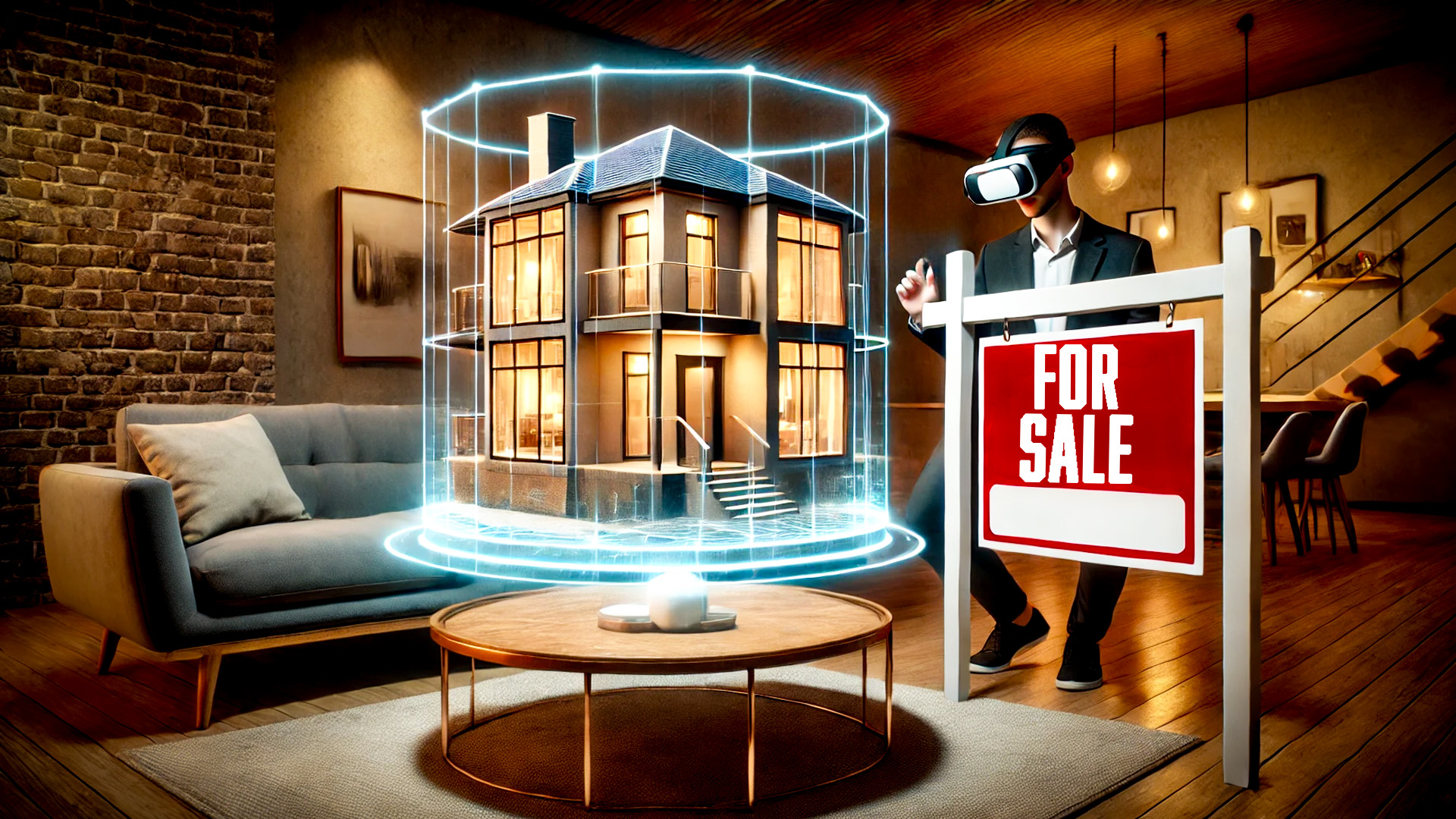
In the metaverse, designing your dream home comes with unlimited creative potential. Unlike physical homes restricted by materials, gravity, or building codes, virtual properties offer complete freedom of expression. Whether you want a sleek penthouse floating in the sky, a mansion made of crystal, or even a treehouse in an enchanted forest, your home can be as grand or unconventional as your imagination allows. Want a room where gravity doesn't exist or walls that change colors based on your mood? In the metaverse, these possibilities are not just achievable'they're easy to implement. Virtual homes can also serve practical purposes; they can act as social hubs, showrooms, or even event venues, offering space for you to connect with friends, display NFTs, or host virtual gatherings. As the metaverse evolves, these digital residences could become an extension of personal branding, reflecting individual tastes, values, and digital personas in a visually compelling way.
Community Life in the Metaverse: Socializing and Networking
The metaverse is more than just a place to own land or build properties'it's a thriving, interactive social environment. Virtual communities form organically based on shared interests, fostering connections between people across the globe. In these digital neighborhoods, users can attend live concerts, participate in workshops, or meet up at virtual caf??s, creating a sense of togetherness even in an entirely digital space. These spaces are not just about socializing, though; they offer powerful networking opportunities as well. Businesses are hosting conferences, product launches, and even career fairs in the metaverse, giving people access to global audiences without the constraints of physical location. The cultural fabric of these virtual worlds is dynamic and constantly evolving, offering a diverse array of experiences that mirror, and in some cases exceed, real-world social interaction.
The Future of Virtual Workspaces and Remote Living
The rise of remote work is accelerating the need for more immersive and interactive virtual workspaces, and the metaverse is shaping the future of how we collaborate online. Virtual offices in the metaverse offer far more than traditional video calls or chat platforms; they create shared environments where colleagues can gather, brainstorm, and collaborate as though they were physically present. In these digital workspaces, avatars can interact with tools, documents, and even each other, fostering a sense of connection that mimics in-person teamwork. Beyond work, the metaverse could redefine the concept of living itself. As digital environments become more immersive, entire communities may exist exclusively within virtual spaces, where people live, work, and socialize entirely in the metaverse. This fusion of digital workspaces and remote living could blur the lines between the physical and virtual worlds, offering unprecedented flexibility and freedom in how people live their lives.
Monetizing Your Virtual Property: Business Opportunities in the Metaverse
Hosting Virtual Events and Experiences on Your Land
Owning virtual land opens up numerous possibilities for hosting immersive events and experiences that can both entertain and generate income. Virtual concerts, art exhibitions, gaming tournaments, and interactive experiences are all viable ways to attract audiences and make your plot a social hub. Hosting events on your virtual land not only brings people together but also allows you to monetize your property. You can charge for entry with ticket sales or offer premium experiences within the event. Additionally, sponsorships from brands seeking to engage with metaverse users can provide further revenue. By regularly hosting engaging events, you create a destination that encourages repeat visits and builds a community around your virtual property, making it more valuable in the long run.
Creating Revenue Streams: Rentals, Shops, and Advertising Spaces
Virtual land offers opportunities for passive income through rentals and other revenue-generating activities. Much like physical real estate, you can rent out your virtual space to individuals or businesses looking for a place to host their own events or set up virtual storefronts. Shops within the metaverse allow for the sale of digital goods, such as NFTs, avatars, apparel, and in-game items, providing another income stream. Furthermore, advertising spaces on your land can be rented out to companies eager to reach the growing metaverse audience. Brands are looking for innovative ways to connect with digital consumers, and owning well-trafficked land positions you to offer valuable ad space. These multiple revenue streams make virtual real estate an attractive option for creators, entrepreneurs, and investors alike.
Partnering with Brands for Exclusive Virtual Experiences
As more brands venture into the metaverse, virtual landowners have a unique opportunity to collaborate with these companies on exclusive virtual experiences. Whether it's hosting branded events, virtual product launches, or pop-up stores, these partnerships can be highly lucrative. Brands are seeking innovative ways to engage younger, tech-savvy audiences, and virtual land offers them a platform to do so. By working with well-known brands, you not only generate income but also increase the visibility and prestige of your virtual land. These collaborations can elevate the experience of your virtual space, attracting more users and boosting the overall value of your property.

The Future of Virtual Real Estate: Trends and Predictions
The Rise of Virtual Cities and Neighborhoods
As the metaverse grows, virtual cities and neighborhoods are rapidly emerging, transforming isolated plots of virtual land into interconnected ecosystems. These virtual environments resemble real-world cities, complete with districts for commerce, entertainment, and residential living. Users can work, socialize, and attend events all within a shared digital space, creating a sense of community and belonging. Virtual urban planning is already being explored, with some platforms offering infrastructure features like transportation networks, communal spaces, and even governance structures where users participate in decision-making. These developments may one day parallel the complexities of real-world cities, with zoning laws, property rights, and digital governance forming the foundation of virtual societies.
Integration of Augmented Reality (AR) with Virtual Real Estate
The future of virtual real estate may include the integration of augmented reality (AR), blending the physical and digital worlds in unprecedented ways. AR could create hybrid environments where users interact with digital overlays on top of real-world locations. Imagine owning virtual property that exists both in a virtual world and as an interactive AR layer in the physical world. This combination could revolutionize how people experience property ownership, with possibilities for augmented storefronts, interactive museums, or personalized home displays that bridge the gap between reality and the metaverse. As AR technology improves, it may reshape how we conceptualize and interact with digital real estate.
Virtual Real Estate as an Investment: Bubble or Long-Term Trend?
Skeptics argue that virtual real estate's rapid price increases signal a bubble. However, others see it as a long-term trend driven by the metaverse's growing importance. Virtual land has already attracted high-profile investors and brands, underscoring its perceived value in digital economies. While some market volatility is inevitable in an emerging space, the integration of blockchain technology and the increasing presence of businesses in the metaverse suggest that virtual real estate may stabilize and offer sustainable growth. Early adopters could see substantial returns, but investors must navigate risks such as speculative pricing and regulatory uncertainty.
The Expanding Role of Virtual Real Estate in Digital Economies
As the metaverse evolves into a more robust digital economy, virtual real estate is becoming a cornerstone of its infrastructure. Businesses are purchasing land to establish virtual storefronts, host events, and create immersive experiences for users. Similarly, individuals see virtual property as a means of socializing, gaming, or even making a living by renting out spaces or selling virtual goods. The digital economy is increasingly relying on virtual real estate as a vehicle for commerce, entertainment, and community building, ensuring that it will play a crucial role in the future of online economies.
Why You Should Consider Investing in the Metaverse Now
The metaverse is still in its early stages, and this presents a unique opportunity for those willing to invest in virtual real estate. As demand for digital spaces grows with the rise of blockchain, NFTs, and virtual experiences, early investors are likely to benefit from appreciation in property value. The window for securing prime virtual real estate is still open, but as more users, companies, and brands enter the metaverse, competition for valuable digital land will intensify. Investing now allows you to be at the forefront of this transformation, positioning yourself for potential long-term gains as the metaverse becomes a mainstream phenomenon.
Balancing Opportunity and Risk
Investing in virtual real estate presents exciting opportunities, but it comes with inherent risks. Market volatility, platform development, and regulatory changes can all affect the value of virtual properties. Investors must stay informed about technological advancements and market trends, as these will play a crucial role in determining the success of their investments. However, with careful research and strategic planning, virtual real estate can offer a pathway to capitalize on the next wave of digital innovation. Balancing opportunity with risk will be key to navigating this evolving landscape.

The Future Of Virtual Real Estate