
Defining Virtual Reality (VR) in Healthcare
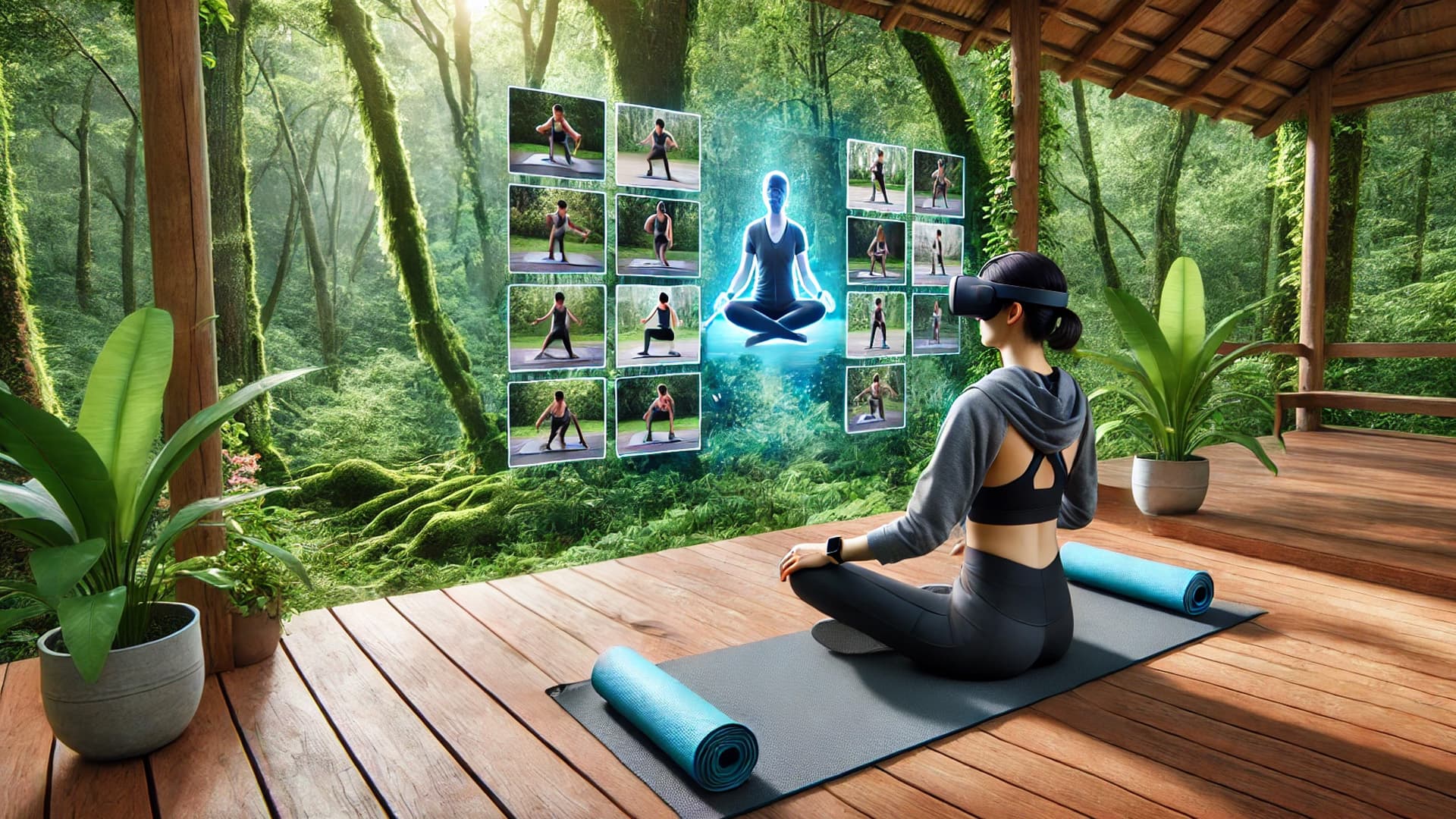
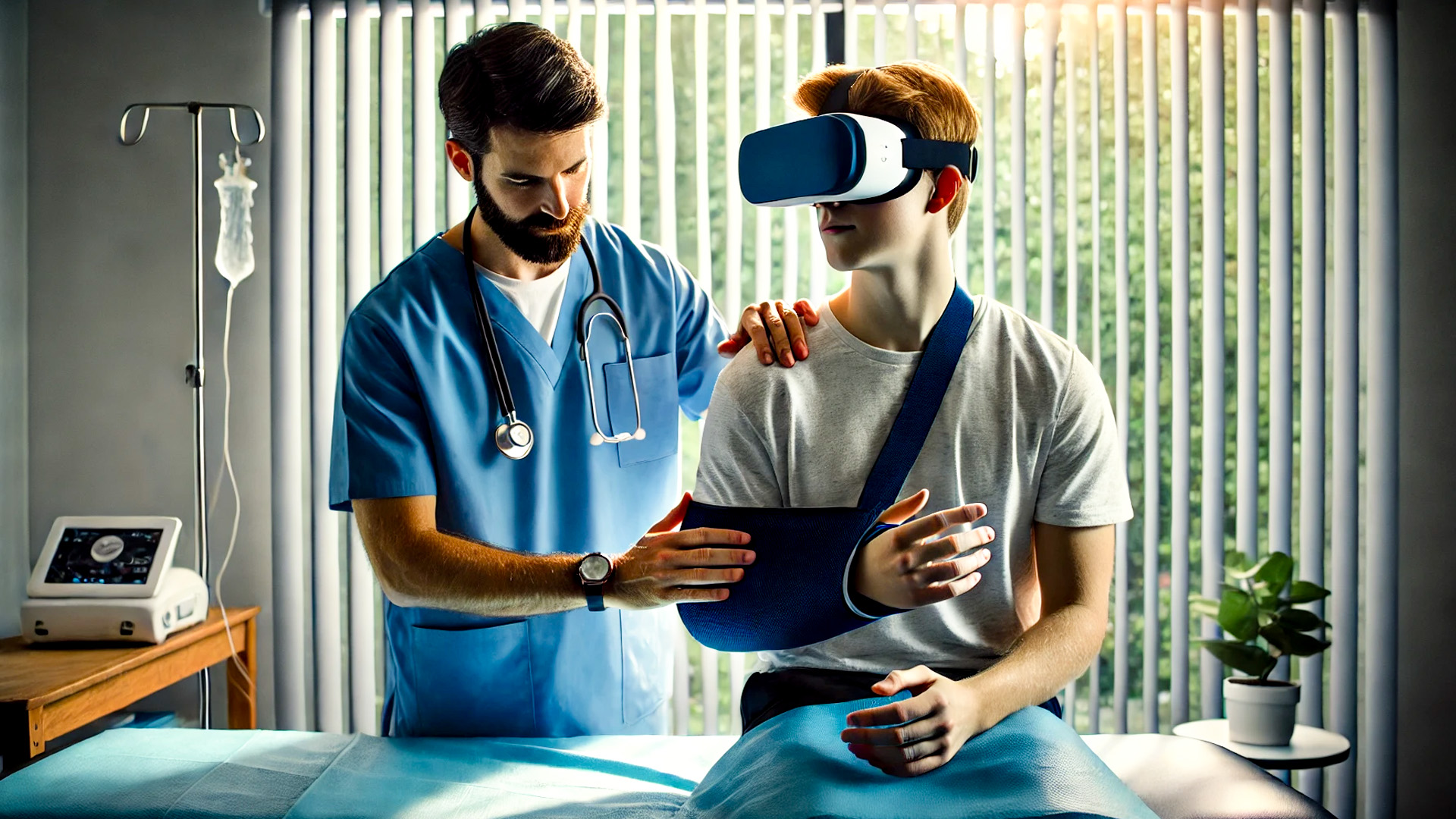
Virtual Reality (VR) involves the use of immersive, computer-generated environments that replicate real-world or imagined experiences. In healthcare, VR goes beyond traditional therapeutic methods, offering innovative ways to engage patients. Using headsets and motion-tracking devices, users can navigate virtual environments specifically tailored to their treatment needs. This is particularly impactful in mental health, where individuals can confront fears, manage anxiety, or practice coping strategies in a controlled, simulated space. Unlike traditional talk therapy, VR creates a sensory-rich experience, allowing patients to directly engage with their challenges, fostering quicker emotional and psychological responses. This immersion makes VR a groundbreaking tool in therapy and rehabilitation, pushing the boundaries of how mental health issues can be treated.
Overview of Mental Health Challenges Addressed by VR
Mental health disorders such as anxiety, depression, PTSD, and phobias affect millions globally. Many of these conditions are difficult to address in traditional therapeutic settings due to the limitations of replicating real-life triggers or stressors in a safe and controlled environment. VR bridges this gap by creating simulations that evoke real-world emotions and reactions, but in a safe, manageable setting. For instance, someone with social anxiety can practice public speaking or engaging with crowds in a virtual scenario, helping to desensitize them to their fears. Those with PTSD can gradually confront traumatic memories in a controlled manner. Furthermore, VR can create calming environments to promote relaxation and stress relief, helping those suffering from chronic stress or anxiety to find peace in virtual worlds.
The Growing Adoption of VR in Mental Health Practices
As VR technology becomes more affordable and accessible, its use in mental health treatment is expanding rapidly. From specialized clinics to mainstream therapy practices, VR is being incorporated into a wide range of therapeutic interventions. Research institutions and hospitals are exploring VR's potential in cognitive behavioral therapy (CBT), exposure therapy, and stress management. By providing immersive, interactive environments, VR helps mental health professionals design customized treatment plans that resonate deeply with patients. This growing trend reflects the potential of VR to become a core component of modern mental health practices, making therapy more engaging, personalized, and effective.
How VR is Changing Traditional Therapy Models
From Couch to Headset: Shifting the Therapy Paradigm
The conventional image of therapy'sitting in an office, discussing emotions'is being transformed by Virtual Reality (VR). Rather than simply talking through problems, patients now have the opportunity to actively engage with therapeutic environments that mirror real-world situations. This shift from verbal interaction to immersive experience marks a significant evolution in therapeutic practice. With VR, patients are placed in simulated scenarios that evoke the same emotions and challenges they face in their daily lives, allowing for a more profound engagement with their mental health struggles. By directly "doing" rather than merely "discussing," therapy becomes more visceral, allowing patients to process their experiences in real time. This sensory-rich approach not only heightens emotional responses but also ensures therapy sessions leave a lasting impact, making the path to healing more dynamic and interactive.
Immersive Healing: How VR Provides Safe Spaces for Patients
Safety is critical in any therapeutic setting, and VR enhances this by allowing patients to confront their fears in a completely risk-free environment. For example, a person grappling with a phobia of heights can experience standing on the edge of a virtual skyscraper, triggering their anxiety but without any actual physical danger. In the hands of a skilled therapist, VR offers a controlled environment where patients can repeatedly confront distressing situations. This repeated exposure helps individuals build resilience, gradually desensitizing them to their triggers. Whether addressing phobias, PTSD, or anxiety, VR provides a safe, manageable platform for emotional exploration, allowing patients to face their fears under the guidance of professionals while developing coping strategies that transfer to the real world.
Personalized Treatment Plans through Virtual Experiences
One of VR's most powerful features is its ability to customize therapeutic experiences to fit each patient's specific needs. Therapists can adjust virtual scenarios in real time, tailoring the pace, intensity, and nature of the environment to ensure patients progress at their comfort level. This flexibility is key to making treatment not only more effective but also more patient-centered. Whether creating environments for stress relief or simulating high-stress situations to build resilience, VR enables a highly personalized approach. It aligns with the broader goal of modern mental health care: to make treatments more accessible, adaptable, and responsive to the individual's pace and progress.
The Science Behind VR and Mental Health
Neuroplasticity: How VR Rewires the Brain for Positive Change
Neuroplasticity, the brain's ability to adapt and form new neural connections, is critical in mental health recovery. Virtual Reality (VR) accelerates this natural process by immersing individuals in tailored experiences that promote adaptive thinking and behavioral changes. Whether through exposure to feared situations or guided relaxation techniques, VR encourages the brain to form new pathways that support emotional regulation and resilience. For instance, in a virtual environment designed for stress management, patients can practice mindfulness or breathing exercises that foster calming neural responses. As patients repeatedly engage with these experiences, their brains are "rewired" to respond more effectively to stress and anxiety. Over time, this repetition strengthens positive neural connections, leading to long-lasting psychological improvements that can enhance overall mental well-being.
Virtual Exposure Therapy: Overcoming Phobias Step-by-Step
Exposure therapy is a widely used method for treating anxiety and phobias by gradually introducing patients to feared stimuli. VR takes this approach to the next level by offering controlled, highly realistic virtual environments where patients can face their fears incrementally. For example, a person with a fear of flying can start by sitting in a virtual airplane on the ground, eventually progressing to a full flight simulation. Similarly, patients with social anxiety can practice public speaking in front of virtual audiences, gradually increasing the crowd size and realism as their confidence grows. This step-by-step exposure helps desensitize patients to their fears, reducing anxiety responses over time. By providing a safe and controlled space for these experiences, VR enables patients to confront and overcome their phobias more effectively than traditional methods alone.
Impact of VR on Stress Reduction and Emotional Regulation
Chronic stress and difficulties with emotional regulation are central issues in many mental health disorders. VR offers powerful tools for addressing these challenges through immersive environments designed for relaxation and mindfulness. With guided meditation sessions, biofeedback tools, and calming virtual landscapes, users can practice techniques to manage their emotions in real-time. These virtual spaces allow individuals to learn and rehearse self-soothing behaviors, such as deep breathing or progressive muscle relaxation, in an interactive, engaging way. As users practice these techniques in the virtual world, they develop stronger emotional regulation skills that translate into real-life stress reduction. By reinforcing positive coping strategies, VR helps reduce overall stress levels and improves emotional well-being, making it a valuable tool in the treatment of anxiety, depression, and related conditions.
Applications of VR in Specific Mental Health Conditions
Anxiety and PTSD: VR-Assisted Exposure Therapy for Trauma Relief
For individuals with anxiety or post-traumatic stress disorder (PTSD), confronting traumatic memories in traditional therapy can be overwhelming. VR-assisted exposure therapy offers a more manageable and controlled path to recovery. By using VR simulations, therapists recreate trauma-related scenarios in a way that feels real but is completely safe. This gradual, guided exposure helps patients confront their fears in stages, allowing them to process distressing emotions without feeling overwhelmed. The immersive nature of VR enhances the therapy's impact, as patients experience these scenarios more vividly than through imagination alone. Over time, this controlled exposure fosters emotional release, reduces anxiety, and leads to long-term recovery. As patients repeatedly face and process their trauma in a therapeutic environment, they build resilience and regain control over their responses to triggering memories.
Depression Treatment: Immersive Worlds to Combat Isolation
Depression often leads to intense feelings of isolation, making it hard for individuals to connect with others or find joy in everyday activities. VR offers a powerful solution by providing immersive environments where users can engage in uplifting, positive experiences. Whether exploring serene virtual landscapes, participating in social activities, or taking part in creative projects, VR helps combat the sense of isolation that often accompanies depression. These virtual experiences offer a reprieve from negative thoughts and emotions, allowing patients to reestablish a sense of purpose and connection. By simulating meaningful interactions and joyful moments, VR can help bridge the emotional gap between the individual and the world, offering a new way for those struggling with depression to reconnect with life.
Cognitive Behavioral Therapy (CBT) Reinvented Through VR
Cognitive Behavioral Therapy (CBT) is one of the most effective treatments for anxiety and depression, focusing on identifying and changing unhelpful thoughts and behaviors. VR enhances this therapeutic process by allowing therapists to recreate real-life situations that trigger negative thought patterns in a controlled environment. Patients can practice applying CBT techniques in real time, responding to virtual scenarios with healthier, more adaptive behaviors. For example, a patient with social anxiety might navigate a virtual social event, practicing positive self-talk and coping strategies. The ability to simulate real-world challenges makes it easier for patients to transfer these skills from the virtual setting to their everyday lives. VR not only amplifies the effectiveness of CBT but also makes therapy more engaging and immersive, ensuring that patients can practice new coping mechanisms in safe, repeatable scenarios.

The Role of VR in Building Emotional Resilience
Mindfulness and Meditation Sessions in Virtual Environments
Mindfulness meditation has proven benefits for mental health, but for many, achieving a state of calm and focus can be difficult. VR makes mindfulness more approachable by immersing users in calming, virtual environments specifically designed to enhance relaxation and present-moment awareness. These serene landscapes'such as a tranquil beach, a quiet forest, or a peaceful mountain setting'help users disconnect from daily stressors and tune into their breath and body. Guided meditation sessions within these virtual worlds offer structured mindfulness exercises, encouraging users to focus on relaxation and emotional balance. By eliminating distractions and offering an engaging, sensory-rich experience, VR helps beginners and experienced meditators alike deepen their mindfulness practice. Over time, these immersive sessions can foster emotional resilience, reduce anxiety, and promote a more mindful way of living.
Simulated Social Scenarios to Enhance Social Skills and Confidence
For individuals dealing with social anxiety, the prospect of interacting with others can feel daunting, leading to avoidance and isolation. VR addresses this challenge by providing a safe space for users to practice social interactions through realistic, simulated scenarios. From virtual job interviews to casual conversations at social gatherings, users can rehearse communication skills in a non-threatening environment. These virtual scenarios allow for gradual exposure, enabling users to build social competence at their own pace. By practicing in a controlled setting, users can work through their fears, improve their verbal and non-verbal communication skills, and gain confidence in their ability to navigate real-world social situations. Over time, these VR-based experiences empower individuals to feel more comfortable and prepared when interacting with others in everyday life.
Training the Mind: VR-Based Techniques for Handling Stress
Effectively managing stress is essential for mental and emotional health. VR offers innovative tools to help individuals develop stronger coping mechanisms through interactive, stress-reducing activities. These might include guided breathing exercises, mindfulness games, or virtual relaxation environments that encourage users to practice calming techniques. By engaging users in therapeutic but enjoyable activities'such as playing a soothing game that promotes focus and relaxation'VR helps reinforce healthy stress management habits. The immersive nature of these experiences makes it easier to concentrate on the task at hand, allowing users to practice mental fortitude in a way that feels natural and effective. Over time, VR-based stress management techniques equip individuals with the skills to handle daily stressors more effectively, contributing to greater overall mental well-being.
Challenges and Ethical Considerations in VR Mental Health Treatments
Addressing Accessibility and Cost Concerns in VR Therapy
Although VR therapy offers innovative solutions for mental health treatment, accessibility remains a major hurdle. The high cost of VR headsets, specialized software, and the need for compatible devices can limit access, particularly in low-income or underserved communities. These financial barriers prevent many people from benefiting from this emerging technology. To address these concerns, efforts must focus on reducing hardware costs, developing more affordable software, and increasing access to VR platforms through partnerships with healthcare providers and insurance companies. Open-source platforms and community-based programs could also help bring VR therapy to those who need it most. Ultimately, improving accessibility will ensure that the therapeutic advantages of VR are available to a broader audience, regardless of socioeconomic status.
Privacy and Data Security in Virtual Therapy Sessions
As therapy moves into virtual environments, ensuring privacy and data security becomes critical. In VR therapy, sensitive patient information, such as mental health data and personal interactions, must be carefully protected. Robust encryption methods and adherence to healthcare regulations, such as the Health Insurance Portability and Accountability Act (HIPAA) in the U.S., are necessary to safeguard patient data. Mental health professionals must collaborate with VR developers to implement secure systems that prevent unauthorized access to virtual sessions and patient records. Additionally, clear privacy policies and informed consent practices should be in place to ensure patients understand how their data will be used. By maintaining strict security protocols, VR therapy can offer the same level of confidentiality as traditional therapy sessions, protecting patient trust.
Managing Potential Risks: Avoiding VR Overexposure and Dependence
While VR therapy provides many benefits, overexposure to virtual environments can pose risks such as digital fatigue, escapism, or dependency. Spending excessive time in VR could lead patients to disconnect from real-world experiences or rely too heavily on virtual interactions for emotional comfort. Therapists play a crucial role in preventing these risks by designing thoughtful VR sessions with clear time limits and promoting a healthy balance between virtual and real-life experiences. They should also educate patients on the importance of integrating therapeutic techniques learned in VR into their daily lives. By setting boundaries and ensuring that VR complements rather than replaces real-world interactions, mental health professionals can minimize the potential risks and maximize the benefits of VR therapy.

Future Prospects: The Road Ahead for VR and Mental Health
Emerging Technologies and Innovations in VR Therapy
The future of VR in mental health care is filled with promise, as emerging technologies continue to enhance the therapeutic potential of virtual environments. Innovations such as haptic feedback, which allows users to feel tactile sensations in VR, offer a more immersive experience by engaging the sense of touch. This can be especially useful in exposure therapy or simulations where physical interaction with the environment is part of the healing process. Additionally, AI-powered virtual therapists are becoming more sophisticated, providing immediate, personalized feedback and therapeutic guidance between sessions, increasing the accessibility of mental health support. Multi-sensory environments, which combine visual, auditory, and even olfactory stimuli, offer patients a more holistic experience, deepening their engagement and emotional response. These advancements are poised to reshape how mental health care is delivered, making treatments more immersive, personalized, and effective.
Collaboration Between Mental Health Professionals and Tech Developers
The successful integration of VR into mental health therapy hinges on strong collaboration between mental health professionals and technology developers. Therapists provide the clinical expertise necessary to shape VR applications that are aligned with therapeutic goals, while developers bring the technical skills to create these immersive environments. This partnership ensures that the technology remains patient-centered and therapeutic outcomes are prioritized over flashy features. By working together, these two fields can innovate in ways that enhance the efficacy of mental health treatment, offering solutions that are both technologically advanced and clinically sound. Ongoing collaboration will also be key in ensuring VR therapies adhere to ethical guidelines, are accessible to a wider audience, and are designed to be adaptable to individual patient needs.
Predictions for the Future of VR in Mental Healthcare
As VR technology continues to advance and become more affordable, it is likely to become a standard tool in mental health treatment across diverse settings. Predictions suggest that VR will be integrated not only in hospitals and clinics but also in private therapy practices and teletherapy platforms, broadening access to innovative care. This technology is expected to complement traditional therapy methods, making treatment more engaging, interactive, and tailored to individual needs. As VR tools evolve, mental health professionals will be able to offer more precise and scalable interventions, helping to address the growing demand for mental health services. Ultimately, VR has the potential to revolutionize mental health care, making therapy more effective and accessible to a broader population.
Recapping the Benefits of VR in Mental Health Treatment
Virtual Reality (VR) has emerged as a powerful tool for mental health professionals, significantly enhancing traditional therapies with its immersive and engaging experiences. By simulating real-world environments and scenarios, VR addresses gaps in treatment that conventional methods often struggle to fill. For instance, exposure therapy can be tailored to gradually acclimate patients to their fears, while mindfulness practices can be enriched through serene, virtual landscapes that promote relaxation. Furthermore, VR fosters a more interactive therapeutic process, allowing patients to engage actively with their treatment rather than passively receiving it. This not only makes therapy more enjoyable but also increases patient motivation and adherence to treatment plans. Overall, VR enriches the therapeutic experience, providing innovative solutions that enhance mental health outcomes.
Encouraging Further Research and Investment in VR Therapy
To fully harness the potential of VR in mental health treatment, ongoing research and investment are crucial. Continuous exploration of new applications, refining existing methodologies, and assessing the effectiveness of VR interventions will help establish best practices and protocols in this field. Additionally, interdisciplinary collaboration among policymakers, technology developers, and healthcare providers is essential for driving progress and innovation. By securing funding and resources for research initiatives, stakeholders can expand the scope of VR therapy, ensuring it meets the diverse needs of patients and clinicians. This collaborative effort will play a vital role in establishing VR as a reliable and evidence-based component of mental health care.
Empowering Patients and Therapists Through Immersive Technologies
At its core, VR empowers both patients and therapists by providing innovative ways to heal and connect. For patients, VR offers a safe and controlled environment to confront fears, practice social skills, and engage in mindfulness, enhancing their overall therapeutic journey. For therapists, it presents new tools to better understand and address patient needs, making interventions more effective and personalized. As the convergence of technology and mental health care continues to evolve, VR represents a transformative future for therapy'one that prioritizes immersion and inclusivity. Through continued innovation and dedication to enhancing mental health treatment, VR holds the potential to change lives and reshape the therapeutic landscape for generations to come, fostering a healthier and more connected society.

Future Prospects The Road Ahead For Vr And Mental Health
Elisha Roodt
Specializing in virtual reality solutions and immersive technologies, delivering cutting-edge experiences while sharing the latest news, insights, and developments shaping the VR industry.