
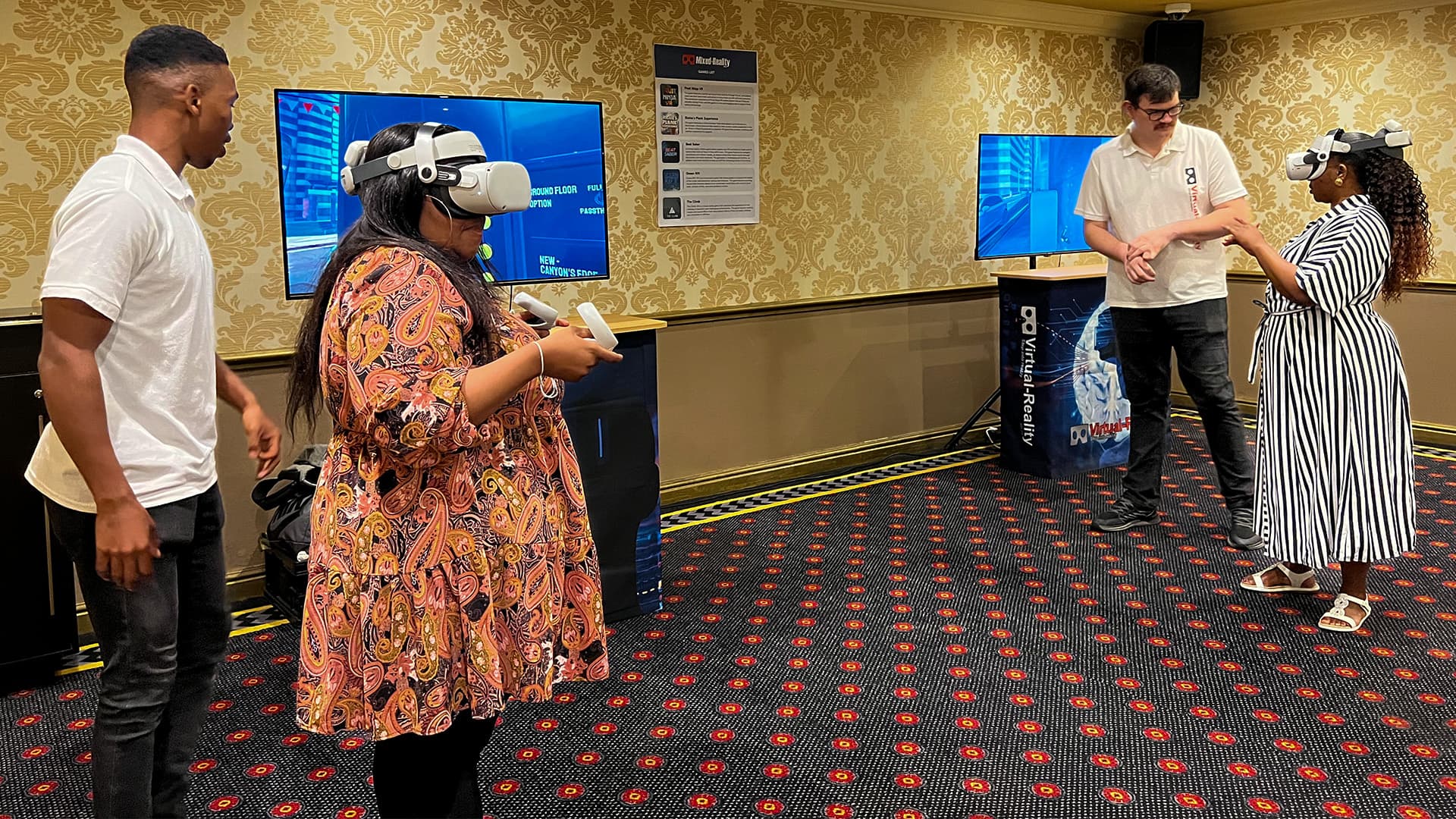
Transforming Brand Engagement and Consumer Experiences in South Africa's Dynamic Market
In the vibrant landscape of South African commerce, brands continuously seek innovative avenues to captivate their audience. Virtual Reality (VR) events have emerged as a game-changer, offering immersive experiences that transcend traditional marketing boundaries. Imagine a bustling Johannesburg marketplace where consumers can explore products in a virtual realm, interacting with brands in ways previously confined to imagination. This fusion of technology and creativity is not just a fleeting trend but a paradigm shift reshaping how South African brands connect with their audience.
The Evolution of Brand Engagement Through Virtual Reality
From Static Displays to Interactive Realities
Brands have long relied on static advertisements to convey their messages, akin to paintings on gallery walls. However, VR events breathe life into these displays, transforming passive observers into active participants. Picture a Cape Town fashion brand hosting a virtual runway show where attendees can customize outfits in real-time, experiencing fabrics and designs up close without stepping into a physical venue. This interactivity fosters a deeper emotional connection, making the brand experience more memorable and impactful.
Bridging the Gap Between Digital and Physical Worlds
The convergence of digital and physical realms through VR creates seamless transitions that enhance brand narratives. Consider a Durban-based tourism company offering a virtual tour of South Africa's hidden gems, allowing potential visitors to explore landscapes and accommodations before booking. This immersive preview not only builds anticipation but also instills confidence in the destination's appeal. By bridging these worlds, brands can offer comprehensive experiences that resonate with consumers' desires for both convenience and authenticity.
Enhancing Accessibility and Inclusivity in Brand Experiences
Virtual Reality democratizes access to brand events, eliminating geographical and physical barriers that once limited participation. Envision a Johannesburg tech startup hosting a VR conference that attracts attendees from across the nation and beyond, all without the constraints of travel logistics. This inclusivity broadens the brand's reach, fostering a diverse community of engaged consumers. Moreover, it underscores the brand's commitment to accessibility, enhancing its reputation and fostering loyalty among a wider audience.
Crafting Immersive Storytelling with Virtual Reality
Creating Narrative-Driven Brand Journeys
Storytelling lies at the heart of effective branding, and VR elevates this by crafting narrative-driven journeys that captivate audiences. Imagine a South African wine producer guiding virtual visitors through lush vineyards, narrating the history and craftsmanship behind each bottle. This immersive storytelling transports consumers into the brand's world, fostering a deeper understanding and appreciation of its offerings. By weaving compelling narratives, brands can differentiate themselves in a crowded marketplace, leaving a lasting imprint on their audience.
Leveraging Interactive Elements for Deeper Engagement
Interactivity is the linchpin of VR storytelling, enabling consumers to influence and navigate their experiences. Consider a virtual art gallery where visitors can rearrange exhibits or participate in creating collaborative masterpieces. This level of engagement transforms passive observation into active creation, enhancing the emotional investment consumers have with the brand. Interactive elements not only make the experience more enjoyable but also encourage repeated interactions, strengthening the brand-consumer relationship over time.
Utilizing Sensory Immersion to Strengthen Brand Identity
Virtual Reality's capacity for sensory immersion allows brands to evoke emotions and reinforce their identity through multi-sensory experiences. Picture a South African spa brand offering a virtual retreat where users can hear soothing sounds, feel the gentle breeze, and see serene landscapes that mirror their physical locations. This sensory engagement creates a holistic brand experience, aligning consumers' sensory perceptions with the brand's core values and aesthetic. By tapping into multiple senses, brands can create more profound and memorable connections with their audience.
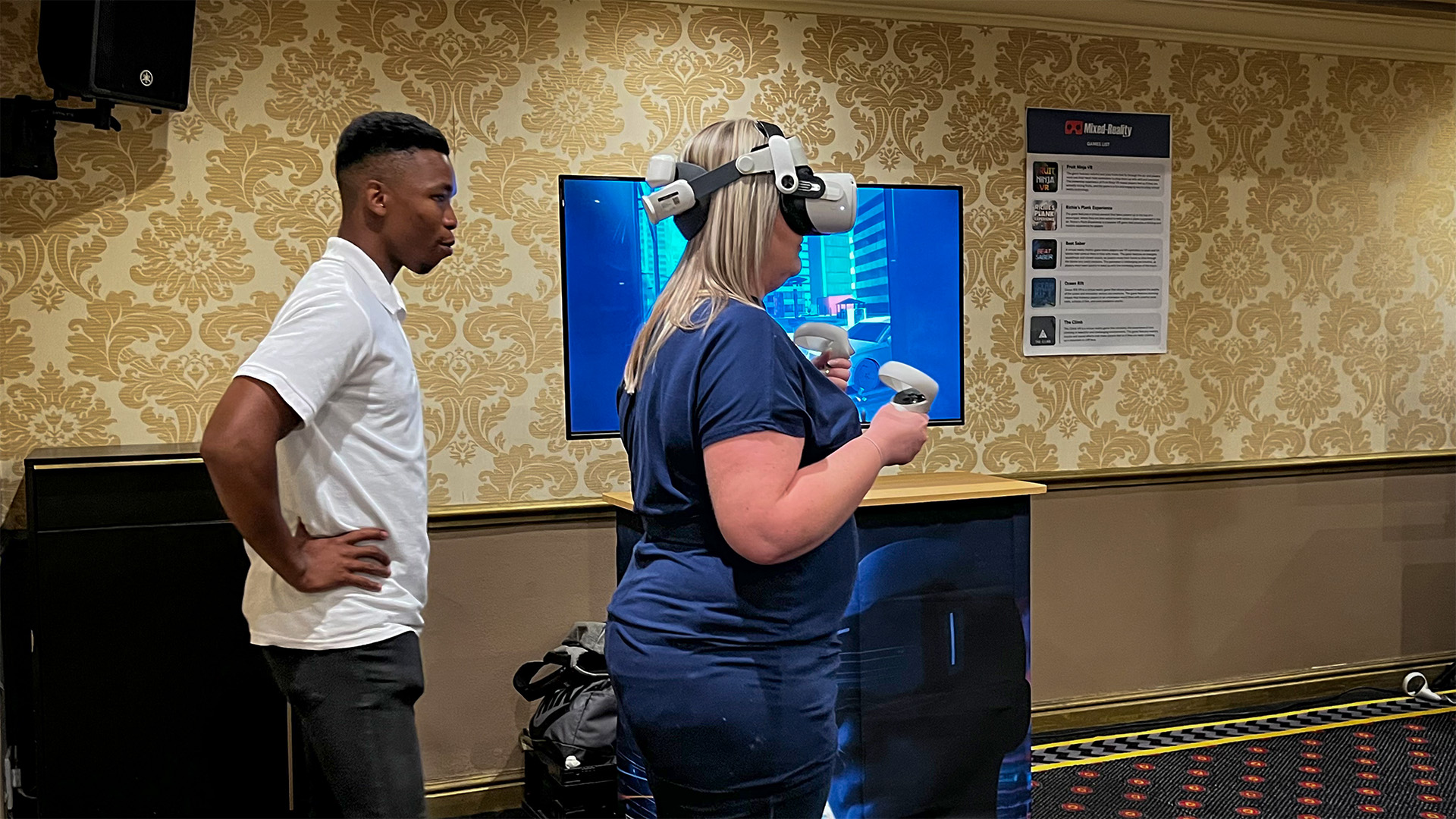
Technological Innovations Powering Virtual Reality Events
Advanced VR Hardware Enhancements
The evolution of VR hardware has been instrumental in enabling sophisticated virtual events, providing high-resolution visuals and responsive interfaces that enhance user experience. State-of-the-art headsets and haptic feedback devices allow users to interact with virtual environments seamlessly, making the experience more realistic and engaging. For South African brands, investing in cutting-edge VR technology ensures their virtual events stand out, offering consumers a premium and immersive interaction that mirrors the quality of their products or services.
Integration of Artificial Intelligence for Personalized Experiences
Artificial Intelligence (AI) plays a pivotal role in tailoring VR experiences to individual preferences, creating personalized brand interactions. Imagine a virtual shopping event where AI analyzes user behavior to recommend products and customize virtual storefronts accordingly. This level of personalization not only enhances user satisfaction but also increases the likelihood of conversions by presenting consumers with relevant and appealing options. By integrating AI, South African brands can deliver bespoke experiences that cater to the unique tastes and needs of their diverse customer base.
Robust VR Software Platforms for Seamless Event Management
The backbone of successful VR events lies in robust software platforms that facilitate smooth execution and management. Advanced VR platforms offer features such as real-time analytics, user-friendly interfaces, and scalable infrastructure, enabling brands to host large-scale events with ease. For instance, a virtual trade show organized by a South African electronics company can leverage these platforms to manage attendee interactions, showcase products dynamically, and gather valuable data insights. Reliable software solutions ensure that VR events are not only engaging but also operationally efficient, allowing brands to focus on delivering exceptional experiences.
Strategic Implementation of Virtual Reality in Branding
Identifying Goals and Objectives for VR Events
Strategic planning is essential for leveraging VR events to their full potential, starting with clearly defined goals and objectives. Whether aiming to boost brand awareness, drive sales, or enhance customer loyalty, South African brands must align their VR initiatives with their overarching business strategies. For example, a local automotive brand might use VR to offer virtual test drives, aiming to increase product engagement and facilitate informed purchasing decisions. By identifying specific objectives, brands can design VR events that deliver targeted outcomes, ensuring their efforts translate into tangible business benefits.
Developing Compelling Content Tailored to the Audience
Content is king in the realm of VR events, and developing compelling, audience-centric content is crucial for success. Understanding the preferences, interests, and behaviors of the target demographic allows brands to create experiences that resonate deeply with their audience. Imagine a virtual music festival hosted by a South African beverage brand, featuring interactive stages, exclusive performances, and branded virtual merchandise tailored to music enthusiasts. By crafting content that aligns with audience interests, brands can foster meaningful connections and enhance engagement levels, driving long-term loyalty and advocacy.
Measuring Success and Optimizing Future VR Initiatives
Continuous evaluation and optimization are key to maximizing the impact of VR events, necessitating robust measurement frameworks. Brands should establish key performance indicators (KPIs) such as attendee engagement, conversion rates, and return on investment (ROI) to assess the effectiveness of their VR initiatives. Utilizing analytics tools, a South African retail brand can track user interactions during a virtual store launch, identifying popular features and areas for improvement. This data-driven approach enables brands to refine their strategies, ensuring that future VR events are even more aligned with consumer preferences and business objectives.

Overcoming Challenges in Adopting Virtual Reality for Branding
Addressing Technological Barriers and Accessibility
While VR offers immense potential, technological barriers and accessibility issues can impede its adoption. High initial costs for VR equipment and the need for reliable internet connectivity may pose challenges for some South African brands and their audiences. To mitigate these obstacles, brands can explore partnerships with technology providers to secure affordable solutions or offer hybrid event options that combine physical and virtual elements. Additionally, investing in user education and support can help bridge the gap, ensuring a smoother transition to VR-based branding initiatives and expanding accessibility to a broader audience.
Ensuring Data Privacy and Security in Virtual Environments
Data privacy and security are paramount concerns in virtual environments, where vast amounts of user data are collected and processed. South African brands must implement robust security measures to protect sensitive information and comply with data protection regulations such as POPIA (Protection of Personal Information Act). This includes employing encryption, secure authentication protocols, and regular security audits to safeguard user data. By prioritizing data privacy, brands can build trust with their audience, ensuring that consumers feel safe and confident when engaging with VR events and sharing their personal information.
Navigating the Learning Curve and Skill Development
Adopting VR technology requires a significant investment in skill development and overcoming the learning curve associated with new tools and platforms. South African brands must invest in training their teams or hiring experts with specialized knowledge in VR event management, content creation, and technical support. This proactive approach ensures that brands can effectively leverage VR technology, minimizing potential setbacks and maximizing the impact of their virtual events. Additionally, fostering a culture of innovation and continuous learning can empower teams to stay abreast of emerging trends and advancements in the VR landscape, driving sustained success in their branding efforts.
Case Studies: South African Brands Leading the VR Revolution
A Leading Fashion Brand's Virtual Runway Extravaganza
One of South Africa's premier fashion houses orchestrated a groundbreaking virtual runway event that captivated audiences both locally and internationally. By leveraging VR technology, the brand transformed its traditional fashion show into an immersive experience where attendees could view collections in 360 degrees, interact with designs, and even purchase outfits in real-time. This innovative approach not only expanded the brand's reach beyond physical limitations but also enhanced consumer engagement by offering a personalized and interactive shopping experience. The success of this event underscored the potential of VR to revolutionize fashion marketing, setting a new standard for industry events.
An Automotive Company's Virtual Test Drive Campaign
A renowned South African automotive manufacturer launched a VR-based test drive campaign to showcase its latest models. Prospective customers could virtually experience the performance, features, and aesthetics of vehicles through realistic simulations. This initiative allowed the brand to demonstrate the cars' capabilities in various terrains and conditions, providing a comprehensive understanding without the need for physical test drives. The campaign resulted in increased consumer interest and higher conversion rates, illustrating how VR can effectively bridge the gap between product demonstration and customer experience in the automotive sector.
A Tourism Board's Virtual Destination Explorer
The South African Tourism Board developed a VR application that offered virtual tours of the country's most iconic and hidden destinations. Users could explore scenic landscapes, cultural landmarks, and local attractions from the comfort of their homes. This immersive tool not only served as a promotional asset but also as an educational resource, highlighting the diverse offerings of South Africa's tourism sector. The initiative led to a surge in travel inquiries and bookings, demonstrating the effectiveness of VR in enhancing destination marketing and driving economic growth through increased tourism.
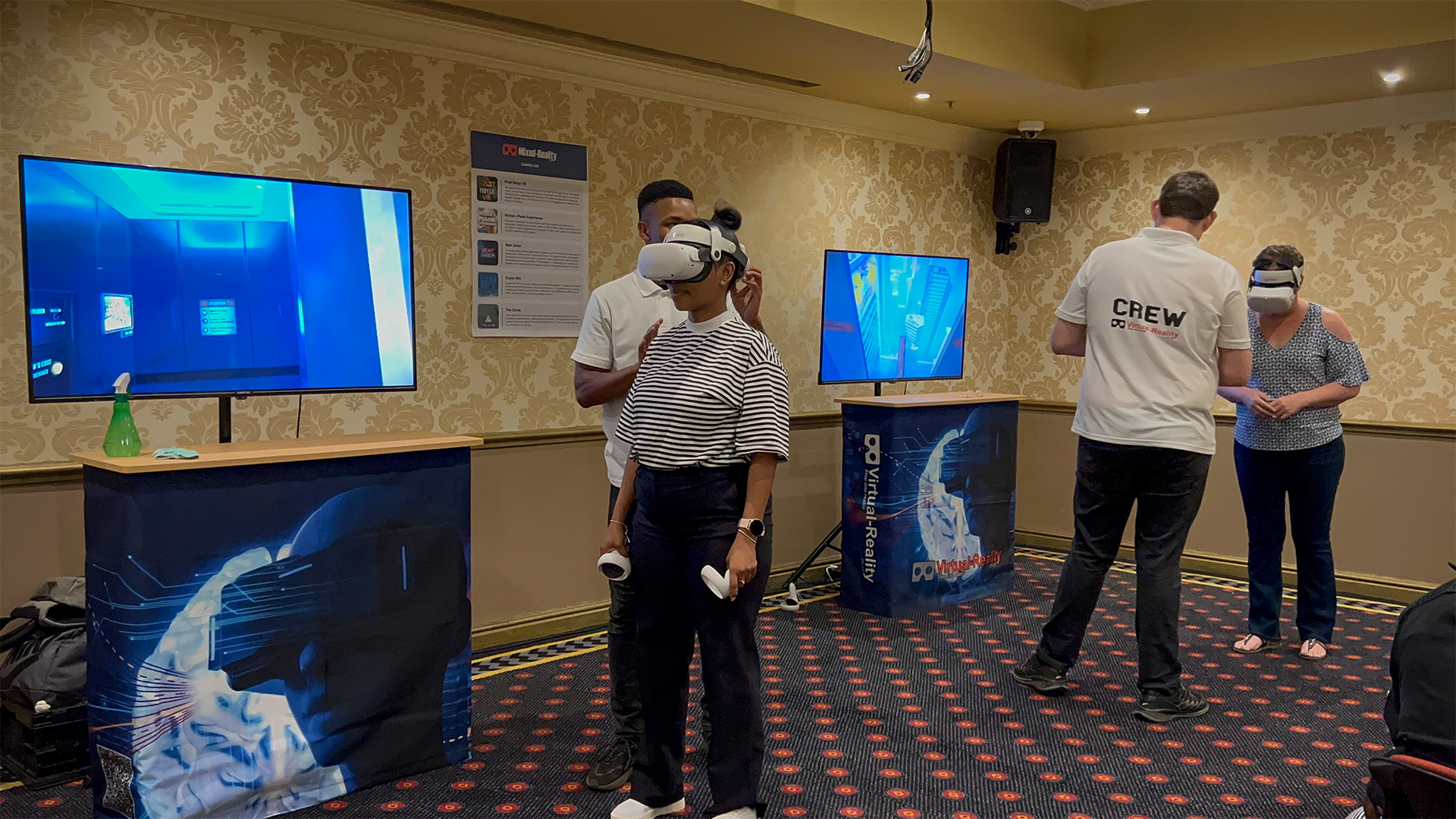
Future Trends: The Next Frontier for VR in South African Branding
Augmented Reality Integration for Enhanced Interactivity
The integration of Augmented Reality (AR) with VR is poised to elevate brand experiences to new heights, offering even greater levels of interactivity and engagement. AR overlays digital information onto the physical world, allowing brands to create hybrid experiences that blend virtual and real elements seamlessly. For instance, a South African furniture retailer could offer an AR feature that lets customers visualize how pieces would look in their own homes before making a purchase. This synergy between VR and AR opens up innovative possibilities for brands to enhance consumer interactions and provide more personalized and contextually relevant experiences.
Expansion of Social VR Platforms for Community Building
Social VR platforms are set to become pivotal in fostering brand communities, enabling consumers to connect and interact within shared virtual spaces. These platforms provide opportunities for South African brands to host virtual meetups, product launches, and interactive workshops, facilitating meaningful engagement and community building. By leveraging social VR, brands can cultivate a loyal and active consumer base, encouraging collaboration and dialogue among users. This communal aspect not only strengthens brand affinity but also generates valuable user-generated content and feedback, driving continuous improvement and innovation in branding strategies.
Advancements in VR Content Creation Tools
The future of VR in branding is closely tied to advancements in content creation tools, which are making it easier for brands to develop high-quality, immersive experiences. Emerging technologies such as procedural generation, real-time rendering, and AI-assisted design are streamlining the content creation process, reducing costs and time required to produce complex VR environments. South African brands can take advantage of these tools to create more sophisticated and engaging VR content without extensive technical expertise, democratizing access to VR and enabling a wider range of brands to participate in the virtual revolution.
Maximizing ROI: Best Practices for South African Brands in VR Events
Strategic Budget Allocation for VR Initiatives
Effective budget allocation is critical for maximizing the return on investment (ROI) in VR initiatives. South African brands should conduct thorough cost-benefit analyses to determine the most impactful areas to invest in, such as high-quality VR hardware, professional content creation, or advanced software platforms. By prioritizing expenditures that directly contribute to enhancing the user experience and achieving business objectives, brands can ensure that their VR events deliver substantial value. Additionally, exploring cost-sharing opportunities through partnerships or sponsorships can help mitigate expenses while expanding the scope and reach of VR initiatives.
Building Partnerships with VR Specialists and Agencies
Collaborating with VR specialists and creative agencies can significantly enhance the quality and effectiveness of virtual events. These partners bring specialized expertise in VR technology, content development, and event management, ensuring that South African brands can execute seamless and impactful VR experiences. By leveraging the skills and knowledge of industry experts, brands can overcome technical challenges, optimize their VR strategies, and achieve higher levels of innovation. Strategic partnerships also facilitate access to the latest VR trends and best practices, enabling brands to stay ahead of the competition and continually refine their virtual event offerings.
Fostering a Culture of Innovation and Adaptability
A culture of innovation and adaptability is essential for sustaining success in the rapidly evolving VR landscape. South African brands must encourage experimentation, embrace new technologies, and remain open to feedback to continuously improve their VR initiatives. This mindset fosters creativity and resilience, allowing brands to quickly adapt to changing consumer preferences and technological advancements. By prioritizing innovation, brands can explore novel VR applications, differentiate themselves in the market, and maintain a competitive edge in delivering cutting-edge virtual experiences that resonate with their audience.

Measuring the Impact: Analytics and Insights from VR Events
Tracking User Engagement and Interaction Metrics
Measuring user engagement and interactions within VR events provides valuable insights into consumer behavior and preferences. South African brands can utilize analytics tools to monitor metrics such as session duration, interaction frequency, and navigation patterns within virtual environments. These data points reveal how users interact with different elements of the event, highlighting areas of interest and potential friction points. By analyzing engagement metrics, brands can identify trends, optimize content placement, and refine interactive features to enhance the overall user experience and drive higher levels of participation and satisfaction.
Evaluating Conversion Rates and Sales Attribution
Assessing conversion rates and attributing sales to VR events is crucial for determining the financial effectiveness of virtual initiatives. South African brands can track the journey from VR engagement to purchase, analyzing factors such as product views, virtual interactions, and checkout completions. This evaluation helps in understanding the direct impact of VR events on sales performance and identifying which aspects of the virtual experience are most influential in driving conversions. By correlating VR interactions with sales data, brands can make informed decisions about future investments and strategies, ensuring that their VR initiatives contribute positively to revenue growth and business objectives.
Gathering and Implementing User Feedback for Continuous Improvement
User feedback is an invaluable component of refining VR events, providing firsthand insights into consumer experiences and expectations. South African brands should actively solicit feedback through surveys, in-app prompts, and post-event reviews to understand what worked well and what needs improvement. This feedback loop enables brands to address any issues, enhance user satisfaction, and tailor future VR initiatives to better meet the needs of their audience. By prioritizing user-centric improvements, brands can ensure that their virtual events remain relevant, engaging, and aligned with consumer preferences, fostering long-term loyalty and advocacy.
The Competitive Edge: How VR Sets South African Brands Apart
Differentiating Through Innovative Consumer Experiences
In a crowded marketplace, offering unique and innovative consumer experiences can set a brand apart from its competitors. Virtual Reality events provide South African brands with the tools to create distinctive and memorable interactions that capture consumers' attention and imagination. For example, a local beverage company might host a VR tasting event where users can explore the origins of ingredients and witness the brewing process in an interactive environment. Such innovative experiences not only differentiate the brand but also position it as a forward-thinking leader in its industry, attracting consumers who seek novel and engaging interactions.
Enhancing Brand Perception and Trust Through Transparency
Virtual Reality can enhance brand perception by showcasing transparency and authenticity, crucial factors in building consumer trust. South African brands can utilize VR to offer behind-the-scenes glimpses into their operations, sustainability practices, and product development processes. This transparency fosters a sense of trust and credibility, as consumers gain a deeper understanding of the brand's values and commitment to quality. By presenting an honest and immersive view of their operations, brands can strengthen their reputation, build lasting relationships with consumers, and differentiate themselves as trustworthy and reliable entities in the marketplace.
Leveraging VR for Sustainable and Eco-Friendly Branding
Sustainability is increasingly important to consumers, and Virtual Reality offers a sustainable alternative to traditional physical events. By hosting virtual events, South African brands can significantly reduce their carbon footprint associated with travel, venue setup, and resource consumption. This eco-friendly approach not only aligns with global sustainability goals but also appeals to environmentally conscious consumers. Brands can highlight their commitment to sustainability by emphasizing the reduced environmental impact of their VR events, reinforcing their dedication to responsible business practices and enhancing their appeal to a growing segment of eco-aware consumers.
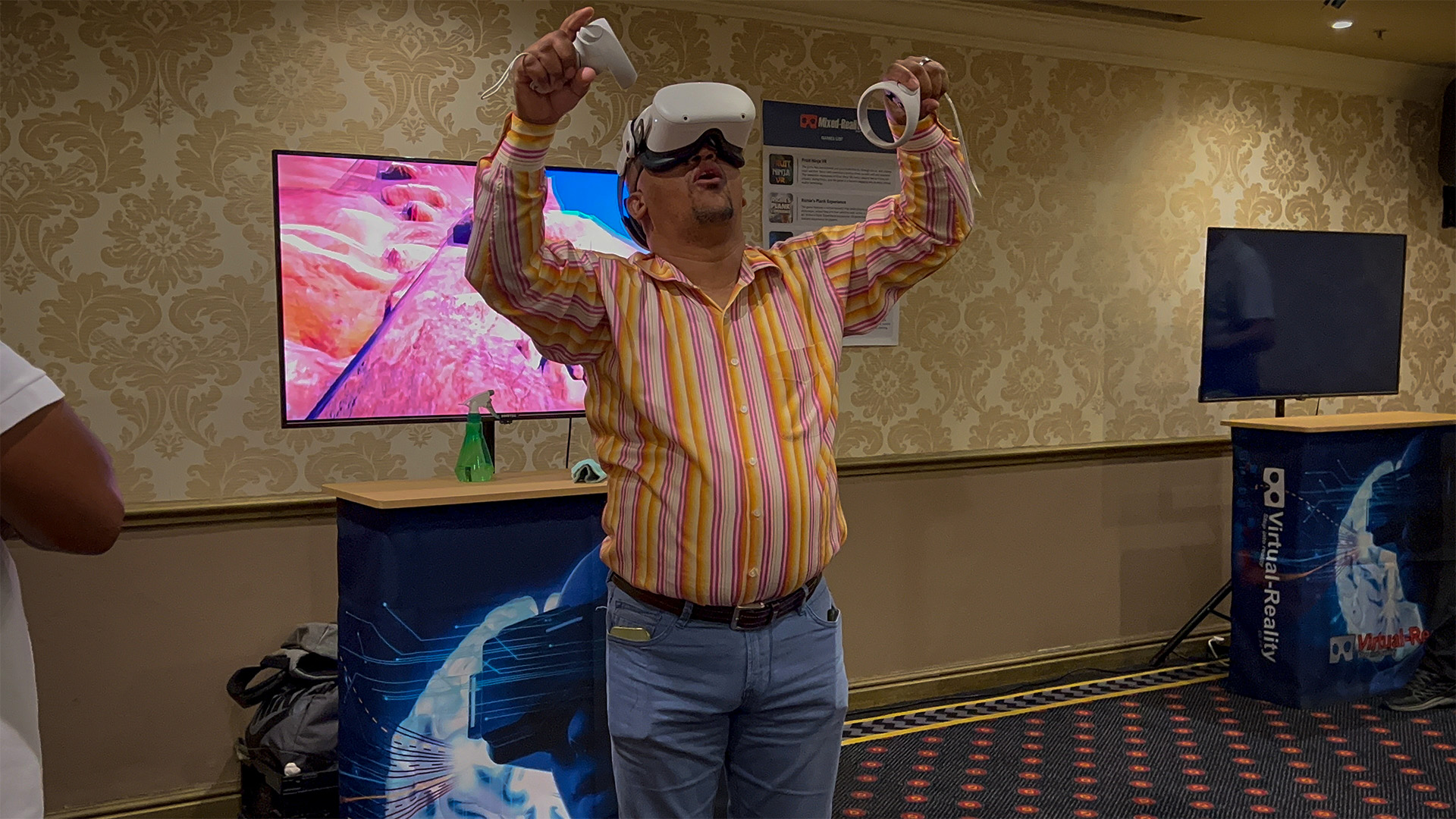
How Vr Sets South African Brands Apart