

Virtual reality has long promised an escape into alternate worlds, but the journey from pixelated simulations to lifelike experiences hinges on the evolution of photorealistic graphics. As technology advances, the boundary between the virtual and the real continues to blur, setting the stage for unprecedented levels of immersion.
Bridging the Gap Between Virtual and Reality
Imagine slipping on a VR headset and finding yourself standing on the bustling streets of Tokyo, every neon sign shimmering with uncanny precision, or exploring the intricate details of a coral reef teeming with vibrant marine life. Photorealistic graphics in virtual reality are transforming these visions into tangible experiences, pushing the envelope of what immersive technology can achieve.
Advancements in Rendering Techniques
Ray Tracing Revolution
Ray tracing, once confined to high-end computing, has become a cornerstone in achieving photorealism in VR. By simulating the physical behavior of light, ray tracing creates reflections, refractions, and shadows with astonishing accuracy. This technique transforms virtual environments into visually stunning realms that mimic the complexities of the real world.
The integration of real-time ray tracing in VR headsets marks a significant milestone. It allows for dynamic lighting changes and realistic interactions, enhancing the sense of presence. As hardware continues to evolve, the latency traditionally associated with ray tracing diminishes, paving the way for seamless, lifelike visual experiences.
Neural Rendering Innovations
Neural rendering leverages artificial intelligence to enhance graphical fidelity beyond conventional methods. By training neural networks on vast datasets of real-world imagery, these systems can generate textures and details that traditional rendering techniques might overlook. This results in surfaces that not only look realistic but also respond authentically to environmental factors like light and movement.
In VR, neural rendering can adapt in real-time to user interactions, ensuring that every glance and gesture is met with a visually coherent response. This adaptability is crucial for maintaining immersion, as it prevents visual discrepancies that can break the illusion of reality.
Procedural Generation Mastery
Procedural generation employs algorithms to create vast, detailed environments without the need for manual design. This technique is particularly effective in VR, where expansive and intricate worlds are essential for sustained immersion. By generating textures, terrains, and objects procedurally, developers can craft environments that are both diverse and highly detailed.
The scalability of procedural generation means that VR experiences can offer endless exploration opportunities, each with its unique aesthetic. This not only enhances replayability but also ensures that users remain engaged, discovering new visual intricacies with every interaction.
Enhancing Textural Realism
High-Fidelity Texture Mapping
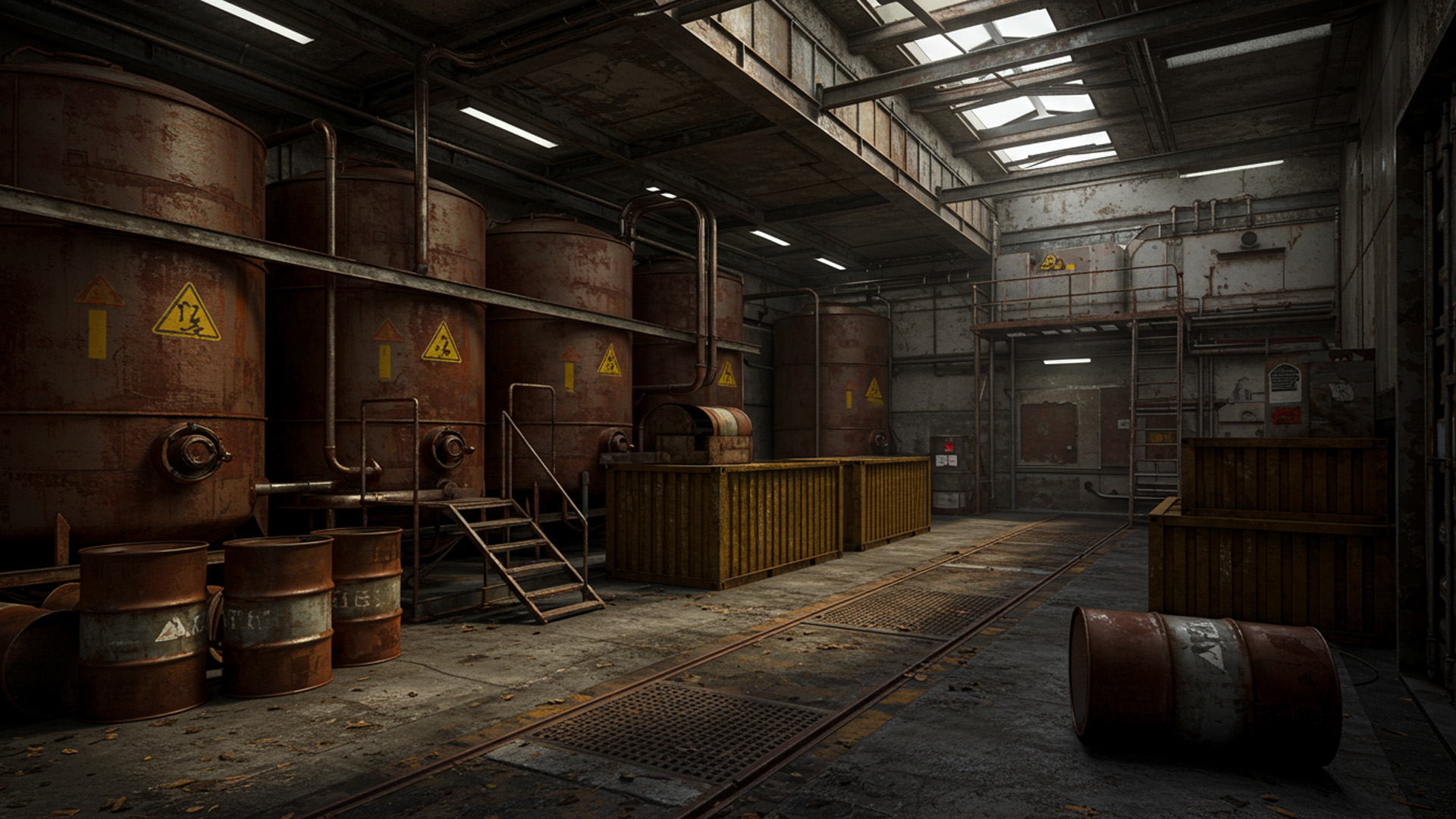
High-fidelity texture mapping is pivotal in achieving photorealism, as it adds depth and detail to virtual surfaces. Techniques like displacement mapping and normal mapping simulate intricate surface features, making materials like wood, metal, and fabric appear convincingly real. This attention to detail ensures that every object in a VR environment contributes to the overall sense of authenticity.
Advancements in texture resolution and compression algorithms have enabled the inclusion of ultra-detailed textures without compromising performance. This balance is essential in VR, where high frame rates are necessary to prevent motion sickness and maintain immersion.
Material Simulation Precision
Simulating realistic materials involves more than just visual accuracy; it requires replicating how different substances interact with light and each other. Advanced material shaders can mimic properties such as glossiness, transparency, and subsurface scattering, providing a more nuanced and lifelike appearance to virtual objects.
In VR, these material simulations enhance the tactile experience, allowing users to subconsciously "feel" the properties of objects through visual cues. This sensory alignment strengthens the illusion of reality, making interactions within the virtual space more intuitive and believable.
Dynamic Environmental Textures
Dynamic environmental textures respond to changes in the virtual environment, such as weather conditions or time of day. This responsiveness adds another layer of realism, as surfaces and materials adapt naturally to their surroundings. For example, wet surfaces reflect light differently during a rainstorm, or fabrics might appear shinier under bright sunlight.
Incorporating dynamic textures into VR not only enhances visual realism but also contributes to the narrative and emotional tone of the experience. By aligning environmental changes with user interactions, developers can create more engaging and immersive stories within the virtual realm.
Realistic Animation and Movement
Skeletal Animation Systems
Skeletal animation systems are fundamental in bringing virtual characters to life. By using hierarchical bone structures, these systems allow for smooth and natural movement, ensuring that avatars and NPCs (non-player characters) behave in ways that mimic real-life motion. This level of animation detail is crucial for maintaining immersion, as jerky or unnatural movements can quickly break the illusion.
Recent advancements have introduced more sophisticated inverse kinematics algorithms, enabling characters to interact with their environment in more realistic ways. This includes nuanced actions like adjusting posture in response to terrain or dynamically responding to user interactions, enhancing the believability of virtual inhabitants.
Motion Capture Integration
Motion capture technology has revolutionized the realism of character animations in VR. By recording the precise movements of real actors, developers can create virtual characters that move with human-like fluidity and expressiveness. This technique captures subtle gestures and facial expressions, adding depth to character interactions and making them more relatable.
Integrating motion capture data into VR environments allows for more authentic social interactions and storytelling. Users can engage with virtual characters that exhibit genuine emotions and reactions, fostering a deeper connection and enhancing the overall immersive experience.
Physics-Based Animations
Physics-based animations simulate the real-world behavior of objects, ensuring that movements and interactions adhere to the laws of physics. This includes realistic responses to forces, collisions, and constraints, making the virtual environment behave consistently and predictably. Such accuracy is vital for tasks that require precise manipulation or interaction, as it reinforces the user's sense of control and presence.
In VR, physics-based animations contribute to the tactile realism of the experience. Whether it's the weight of a virtual object or the impact of a collision, these animations provide visual feedback that aligns with user expectations, further bridging the gap between the virtual and the real.
Optimizing Performance for Realism
Hardware Acceleration Techniques
Achieving photorealistic graphics in VR demands substantial computational power. Hardware acceleration techniques, such as utilizing GPUs optimized for parallel processing, are essential for rendering complex scenes in real-time. These advancements allow for higher resolution textures, more detailed models, and sophisticated lighting effects without sacrificing performance.
The development of specialized VR chips and integration with cloud computing resources are also playing a pivotal role. By offloading some of the processing tasks to dedicated hardware or remote servers, VR systems can deliver more detailed and realistic graphics while maintaining the high frame rates necessary for a comfortable and immersive experience.
Latency Reduction Strategies
Latency, the delay between user actions and system responses, can significantly impact immersion and cause discomfort in VR. Reducing latency is critical for maintaining a seamless and realistic experience. Techniques such as predictive tracking and asynchronous reprojection help minimize delays by anticipating user movements and adjusting the rendered scene accordingly.
Optimizing software pipelines and employing faster communication protocols between VR components can further reduce latency. These strategies ensure that the virtual environment responds instantly to user inputs, preserving the illusion of presence and enhancing the overall realism of the experience.
Scalability and Optimization
Scalability involves designing VR systems that can handle increasingly complex and detailed graphics without compromising performance. This requires efficient resource management, such as level-of-detail (LOD) techniques that adjust the complexity of models based on their distance from the user, and dynamic resolution scaling that allocates more processing power to areas of the scene that demand higher fidelity.
Optimization also involves fine-tuning rendering algorithms and leveraging compression techniques to manage data efficiently. By balancing graphical detail with performance, developers can create VR experiences that are both visually stunning and responsive, ensuring that users remain fully immersed without encountering technical hindrances.
The Future of Photorealistic VR
AI-Driven Content Creation
Artificial intelligence is poised to revolutionize content creation in VR, enabling the generation of highly detailed and dynamic environments with minimal manual intervention. AI algorithms can analyze real-world data to create realistic textures, models, and even entire landscapes, significantly speeding up the development process while maintaining high levels of visual fidelity.
As AI continues to evolve, it will become increasingly adept at understanding and replicating the subtleties of the natural world. This will allow for the creation of virtual environments that are not only photorealistic but also rich in detail and variety, offering users an ever-expanding array of immersive experiences.
Integration of Haptic Feedback
Photorealistic graphics will be complemented by advancements in haptic feedback, creating a more comprehensive sensory experience. By simulating tactile sensations, haptic technology can provide users with physical responses to virtual interactions, such as the texture of a surface or the impact of a collision. This integration enhances immersion by engaging multiple senses, making virtual environments feel more tangible and real.
The synergy between visual realism and haptic feedback will enable more intuitive and immersive interactions within VR. Users will not only see but also feel the virtual world around them, deepening their engagement and blurring the lines between the virtual and the physical.
Expanding Applications Beyond Gaming
While gaming has been a primary driver of VR advancements, photorealistic graphics are opening doors to a multitude of other applications. In fields such as education, medicine, and architecture, highly realistic virtual simulations can provide valuable training and visualization tools. For instance, medical professionals can practice complex surgeries in a controlled, lifelike environment, while architects can explore and modify building designs with unparalleled precision.
The versatility of photorealistic VR extends to remote collaboration, where teams can interact within virtual spaces that closely mimic real-world settings. This enhances communication and collaboration, making it easier to visualize projects and share ideas in a more engaging and effective manner.
Overcoming Challenges in Achieving Photorealism
Balancing Realism and Performance
One of the primary challenges in achieving photorealistic graphics in VR is balancing visual fidelity with system performance. High-resolution textures and complex rendering techniques demand significant computational resources, which can lead to performance issues if not managed properly. Striking the right balance is essential to ensure that VR experiences remain smooth and comfortable for users.
Developers must employ a combination of optimization strategies, such as efficient asset management and real-time rendering adjustments, to maintain high performance without sacrificing visual quality. This delicate balance is crucial for delivering immersive experiences that are both visually stunning and technically robust.
Addressing the Uncanny Valley
As VR graphics become more realistic, the phenomenon known as the "uncanny valley" becomes a potential concern. This occurs when virtual representations are almost, but not entirely, lifelike, leading to a sense of unease or discomfort among users. Achieving photorealism requires careful attention to detail to avoid this pitfall, ensuring that virtual characters and environments are convincingly real without crossing into the unsettling.
To navigate the uncanny valley, developers must focus on perfecting subtle details, such as facial expressions and natural movements, while also embracing stylistic elements that enhance realism without striving for exact replication. This nuanced approach helps create virtual experiences that are both relatable and aesthetically pleasing.
Ensuring Accessibility and Inclusivity
As VR technology advances, it is imperative to ensure that photorealistic experiences are accessible and inclusive to a diverse range of users. This involves designing virtual environments that cater to different needs and preferences, such as adjustable visual settings for users with varying levels of visual acuity or customizable avatars that reflect diverse identities.
Inclusivity also extends to content creation, where diverse representation in virtual environments can enhance relatability and engagement. By prioritizing accessibility and inclusivity, the future of photorealistic VR can be enjoyed by a broader audience, fostering a more equitable and immersive digital landscape.
Case Studies: Pioneers in Photorealistic VR
Unreal Engine's Real-Time Capabilities
Unreal Engine has been at the forefront of real-time rendering advancements, providing developers with the tools to create highly detailed and photorealistic VR environments. Its robust suite of features, including real-time ray tracing and advanced material systems, enables the creation of visually stunning virtual worlds that rival real-life counterparts.
The engine's versatility and performance optimization capabilities make it a preferred choice for industries beyond gaming, such as film production and architectural visualization. By continually pushing the boundaries of what is possible in real-time rendering, Unreal Engine plays a crucial role in the evolution of photorealistic VR.
Oculus Quest's Hardware Innovations
Oculus Quest has made significant strides in democratizing access to high-quality VR experiences. Its combination of powerful hardware and efficient software optimization allows for the delivery of photorealistic graphics on a standalone device, eliminating the need for external computing power. This innovation has broadened the reach of VR, making it more accessible to a wider audience.
Oculus Quest's emphasis on user-friendly design and performance has set a benchmark for future VR hardware. By balancing graphical fidelity with portability and ease of use, Oculus Quest exemplifies the potential for photorealistic VR to become mainstream.
NVIDIA's DLSS Technology
NVIDIA's Deep Learning Super Sampling (DLSS) technology leverages artificial intelligence to enhance graphical performance without compromising quality. By upscaling lower-resolution images in real-time, DLSS allows for higher frame rates and more detailed visuals, making photorealistic VR experiences more attainable on existing hardware.
This technology not only improves performance but also reduces the strain on GPU resources, enabling more complex and detailed virtual environments. NVIDIA's DLSS exemplifies how AI-driven solutions can address the challenges of rendering photorealistic graphics in VR, paving the way for more immersive and visually impressive virtual experiences.
The Path Forward: Shaping the Future of Immersive Technology
Collaborative Ecosystems and Open Standards
The future of photorealistic VR hinges on collaboration across industries and the establishment of open standards. By fostering a collaborative ecosystem, developers, hardware manufacturers, and content creators can share knowledge and resources, accelerating advancements in VR technology. Open standards ensure compatibility and interoperability, enabling diverse systems and applications to work seamlessly together.
This collaborative approach not only drives innovation but also democratizes access to cutting-edge VR technologies. As more stakeholders contribute to the development of photorealistic VR, the technology becomes more refined and versatile, unlocking new possibilities for immersive experiences.
Ethical Considerations and Digital Wellbeing
As VR becomes more immersive and indistinguishable from reality, ethical considerations and digital wellbeing become increasingly important. Ensuring user privacy, preventing misuse of realistic virtual environments, and promoting healthy usage habits are critical aspects that must be addressed. Developers and stakeholders must work together to create guidelines and frameworks that safeguard users while fostering innovation.
Promoting digital wellbeing involves designing VR experiences that encourage positive interactions and prevent issues such as addiction or motion sickness. By prioritizing ethical standards and user health, the industry can ensure that the leap towards photorealistic VR enhances lives without unintended negative consequences.
Expanding Educational and Therapeutic Applications
Photorealistic VR holds immense potential beyond entertainment, particularly in education and therapy. In educational settings, lifelike simulations can provide immersive learning experiences, allowing students to explore historical sites, conduct virtual experiments, or engage in interactive storytelling. This hands-on approach can enhance understanding and retention of complex concepts.
In the realm of therapy, photorealistic VR can be used for exposure therapy, pain management, and rehabilitation. By creating controlled and realistic environments, therapists can help patients confront fears, reduce pain perception, and regain motor functions in a safe and supportive virtual space. The versatility of photorealistic VR makes it a valuable tool for a wide range of applications that can positively impact individuals and communities.
Photorealistic graphics in virtual reality represent the next monumental leap in immersive technology. By harnessing advancements in rendering techniques, enhancing textural realism, refining animations, and optimizing performance, the virtual realm is becoming indistinguishable from reality. As we navigate the challenges and embrace the opportunities presented by this evolution, the future of VR promises experiences that are not only visually stunning but also profoundly engaging and transformative.
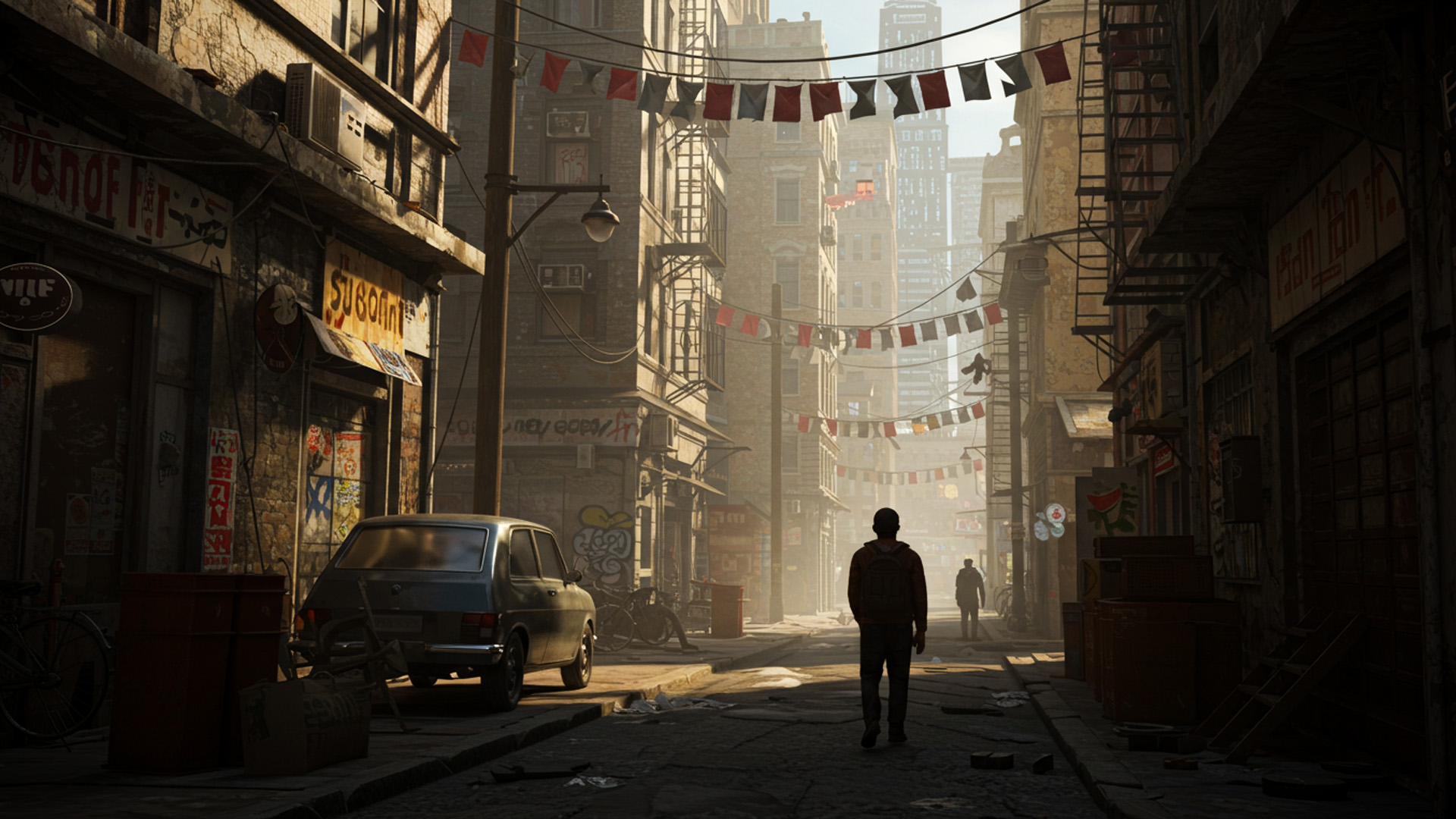
Pioneers In Photorealistic Vr