

The metaverse, a collective virtual shared space created by the convergence of virtually enhanced physical reality and physically persistent virtual space, is an evolving landscape that promises to revolutionize the way we interact with digital environments. At the heart of this transformation is Virtual Reality (VR), a technology that provides immersive, interactive experiences, blurring the lines between the physical and digital worlds. This blog explores how VR contributes to the development of the metaverse, its impact on various sectors, and the future it envisions.
The Core of the Metaverse
Virtual Reality is pivotal in creating the immersive experiences that define the metaverse. By providing users with a 360-degree view and enabling interaction within a virtual environment, VR makes digital experiences feel tangible and real. The sense of presence achieved through VR is unparalleled, as it allows users to feel as though they are physically present in a virtual world. This immersion is crucial for the metaverse, as it aims to create a seamless blend of the physical and digital realms.
VR technology encompasses various aspects, including high-resolution displays, advanced motion tracking, and spatial audio, all of which contribute to a more immersive experience. High-resolution displays ensure that users see the virtual world in great detail, reducing the screen-door effect and enhancing the realism of the experience. Advanced motion tracking allows for precise monitoring of head, hand, and body movements, ensuring that the virtual environment responds accurately to the user's actions. Spatial audio further enriches the experience by providing three-dimensional sound, making it possible to hear sounds coming from different directions and distances, just as in the real world.
In the metaverse, VR can be used for a multitude of applications beyond gaming and entertainment. For instance, it has the potential to revolutionize education by providing immersive learning experiences where students can explore historical events, visit distant places, or conduct scientific experiments in a safe and controlled virtual environment. In the field of healthcare, VR can be used for therapy, surgical training, and patient rehabilitation, offering realistic simulations and interactive scenarios that enhance learning and recovery processes.
As VR technology continues to evolve, its role in shaping the metaverse will only become more prominent. Advances in hardware, such as more comfortable and lightweight headsets, improved battery life, and enhanced wireless capabilities, will make VR experiences more accessible and enjoyable for users. Additionally, developments in software, including more sophisticated artificial intelligence and machine learning algorithms, will enable the creation of more dynamic and responsive virtual environments.

Enhanced Social Interactions
One of the key components of the metaverse is social interaction. VR takes social interactions to the next level by allowing users to meet, communicate, and collaborate in a shared virtual space. Unlike traditional social media platforms where interaction is limited to text, images, or video, VR enables users to engage with each other in real-time through avatars. This creates a more personal and engaging social experience, fostering a sense of community and presence.
Platforms like AltspaceVR, VRChat, and Facebook Horizon are already demonstrating the potential of VR in social interactions within the metaverse. These platforms allow users to attend virtual events, participate in meetings, or simply hang out with friends in a virtual environment. The ability to interact in a shared space, regardless of physical location, breaks down geographical barriers and creates new opportunities for socializing and collaboration.
In these virtual environments, avatars serve as representations of users, allowing them to express their identities through customizable appearances and gestures. This personalization adds depth to interactions, making them more relatable and enjoyable. For instance, users can choose avatars that reflect their real-life appearance or opt for creative, fantastical designs that express their personality or mood. The use of avatars also enables non-verbal communication, such as body language and facial expressions, enhancing the overall social experience.
Virtual events hosted on these platforms range from casual meetups to large-scale conferences, concerts, and festivals. Attendees can explore virtual venues, network with other participants, and even purchase virtual merchandise. These events often feature interactive elements, such as live performances, games, and Q&A sessions, making them more dynamic and engaging than traditional online events. The immersive nature of VR ensures that participants feel present and involved, creating memorable experiences that transcend the limitations of physical distance.
Transforming Education and Training
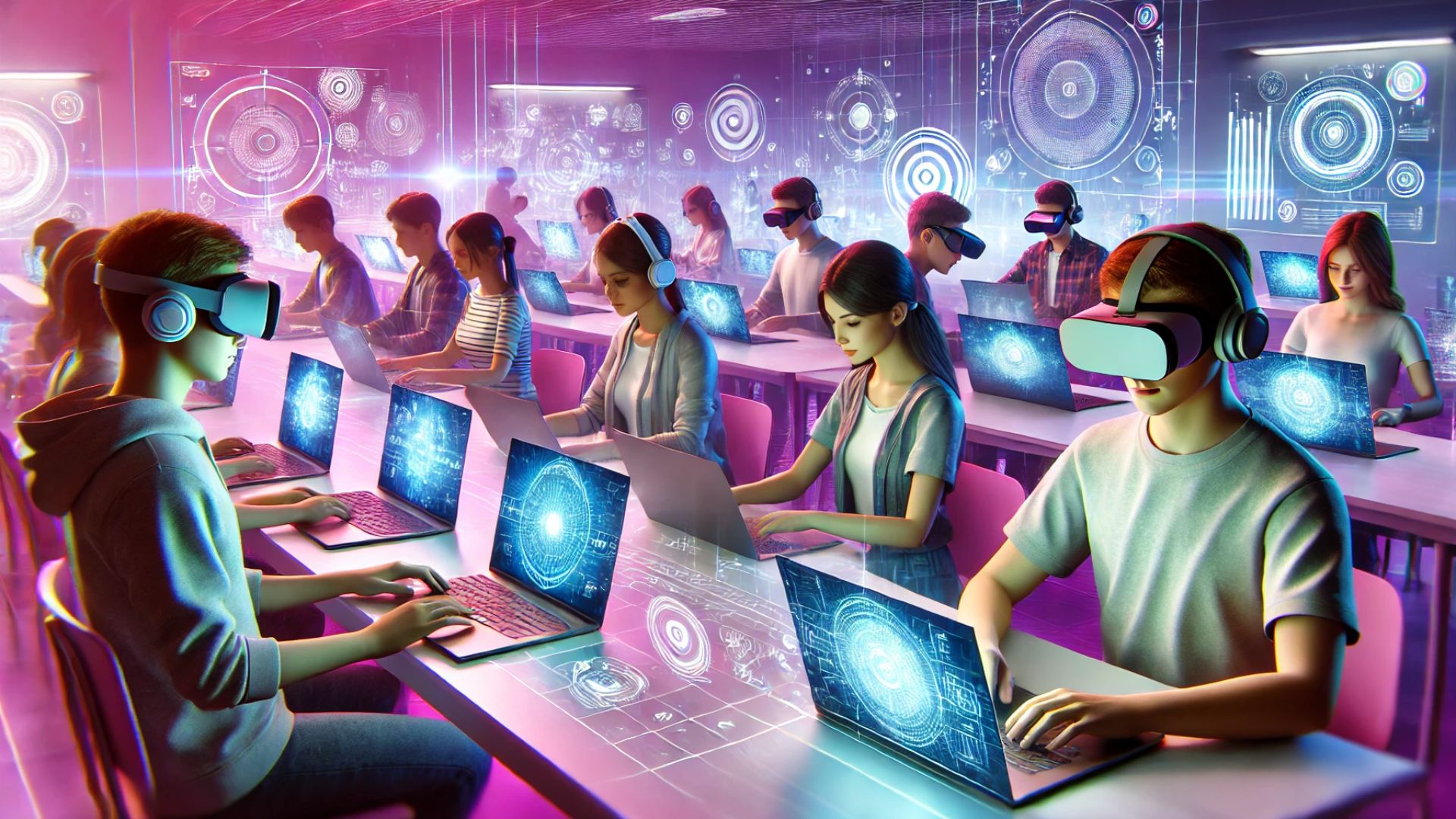
The educational sector is set to be one of the biggest beneficiaries of VR in the metaverse. Virtual Reality offers immersive learning experiences that can significantly enhance the educational process. By creating virtual classrooms, laboratories, and training environments, VR allows students to engage with content in a more interactive and engaging manner.
For instance, medical students can practice surgical procedures in a virtual operating room, gaining hands-on experience without the risk associated with real-life practice. Similarly, engineering students can explore complex machinery and structures in a virtual environment, allowing them to understand intricate details and concepts better. VR can also facilitate remote learning, enabling students from different parts of the world to attend virtual classes and collaborate on projects in a shared virtual space.
Revolutionizing the Workplace
The metaverse, powered by VR, is poised to revolutionize the workplace by creating virtual offices and workspaces. With the rise of remote work, VR offers a solution to the challenges of remote collaboration and communication. Virtual offices can replicate the physical office environment, providing spaces for meetings, presentations, and collaborative work.
Companies can use VR to create immersive training programs, enabling employees to learn new skills in a virtual environment. This not only makes training more engaging but also allows for more effective learning outcomes. Additionally, VR can facilitate virtual conferences and events, bringing together participants from around the world in a shared virtual space.
Driving Innovation in Entertainment
The entertainment industry is at the forefront of adopting VR technology, and the metaverse is set to take this to new heights. VR provides immersive entertainment experiences, from virtual concerts and live events to interactive gaming environments. In the metaverse, users can attend a virtual concert, experiencing the event as if they were physically present, or explore vast virtual worlds in interactive games.
Gaming, in particular, is a significant driver of VR adoption. VR games offer a level of immersion and interactivity that traditional games cannot match. Players can interact with the game environment and other players in a way that feels natural and intuitive. This level of immersion is key to the metaverse, where users will expect seamless and engaging experiences.
Enabling Virtual Commerce
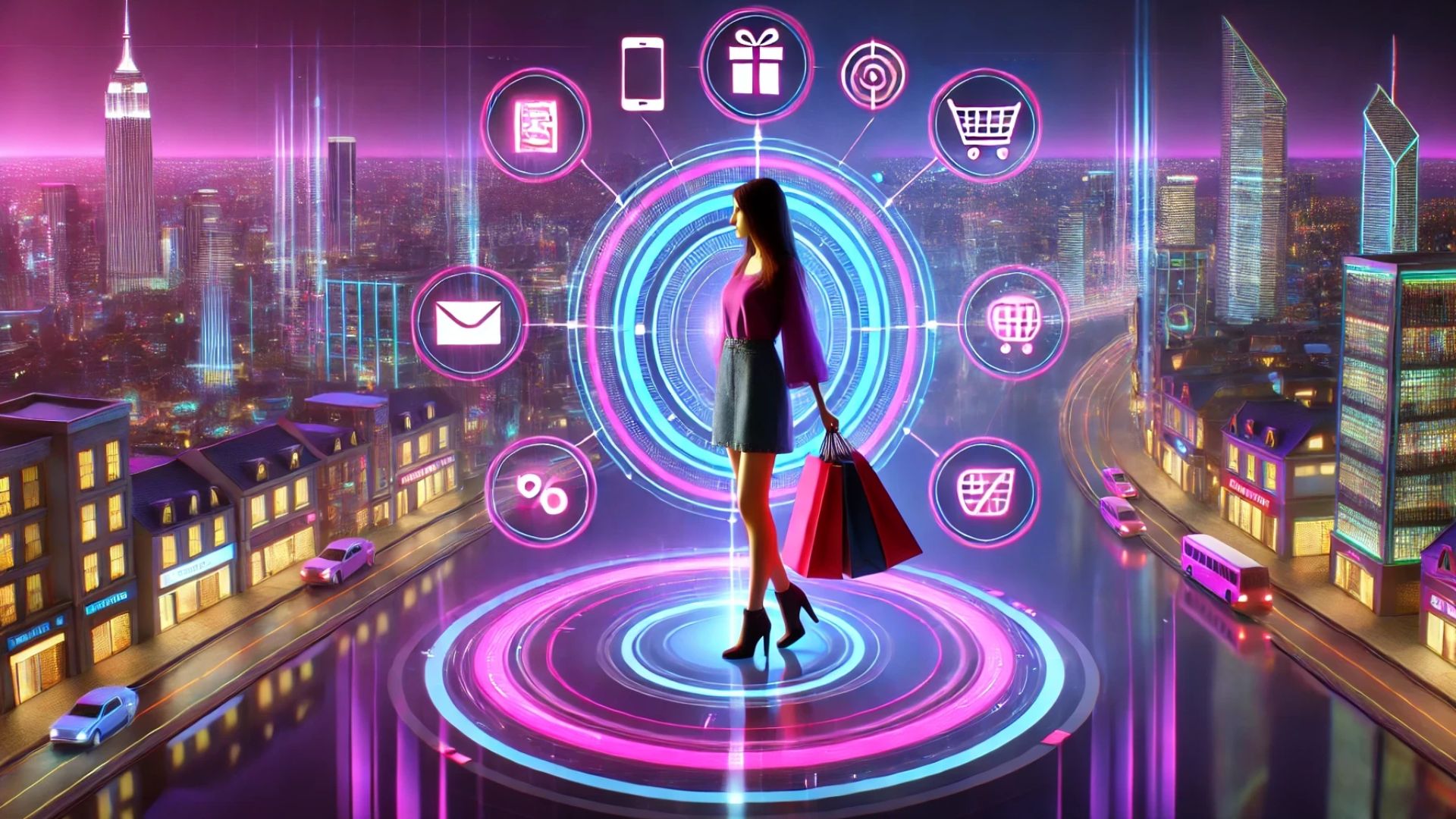
The metaverse is also set to transform the way we conduct commerce. Virtual Reality enables the creation of virtual marketplaces, where users can buy and sell digital goods and services. In a virtual marketplace, users can explore products in a 3D environment, view them from different angles, and interact with them before making a purchase.
Brands are already exploring the potential of VR for virtual commerce. For example, virtual showrooms allow customers to experience products in a virtual environment, enhancing the shopping experience. Real estate companies are using VR to offer virtual property tours, allowing potential buyers to explore properties remotely. The ability to create immersive shopping experiences will be a key driver of commerce in the metaverse.
In these virtual marketplaces, the shopping experience is significantly enhanced by the immersive nature of VR. Customers can virtually try on clothes, test out furniture in a simulated room, or examine intricate details of products as if they were physically present. This level of interaction helps reduce uncertainty and increases consumer confidence in their purchases. For instance, car manufacturers can create virtual showrooms where potential buyers can explore different car models, customize features, and even take virtual test drives. This not only enhances the customer experience but also provides valuable insights to brands about consumer preferences and behavior.
The impact of VR on e-commerce extends to personalization and customer engagement. Virtual environments can be tailored to individual preferences, creating a unique shopping journey for each user. Brands can leverage data to provide personalized recommendations, offer virtual assistance, and create interactive experiences that resonate with their target audience. For example, a virtual fashion store might use AI to suggest outfits based on the user's previous purchases and style preferences, while a virtual electronics store could offer interactive demos of new gadgets.
Expanding Artistic Expression
Artists and creators are finding new avenues for expression through VR in the metaverse. Virtual Reality offers tools for creating immersive art installations, interactive storytelling, and virtual performances. Artists can create virtual galleries and exhibitions, where users can explore and interact with their work in a three-dimensional space.
The metaverse provides a platform for artists to reach a global audience, breaking down geographical barriers and enabling new forms of artistic collaboration. Virtual Reality also allows for the creation of interactive experiences, where users can engage with art in new and meaningful ways. This expands the possibilities for artistic expression and creates new opportunities for creativity and innovation.
Shaping the Future of the Metaverse
As we look to the future, the role of VR in the development of the metaverse is set to grow even further. Advances in VR technology, such as improved hardware, more realistic graphics, and enhanced haptic feedback, will continue to push the boundaries of what is possible in the metaverse. The integration of artificial intelligence and machine learning will enable more personalized and adaptive experiences, creating a dynamic and evolving virtual world.
The metaverse, powered by VR, has the potential to transform every aspect of our lives, from how we work and learn to how we socialize and entertain ourselves. As technology continues to evolve, the line between the physical and digital worlds will blur even further, creating a seamless and immersive virtual experience.
Virtual Reality is at the forefront of the development of the metaverse, driving innovation and creating new opportunities across various sectors. From enhancing social interactions and transforming education to revolutionizing the workplace and driving innovation in entertainment, VR is shaping the future of the metaverse. As we continue to explore the possibilities of this technology, the metaverse promises to create a new reality, where the physical and digital worlds converge to create a truly immersive and interconnected experience.