
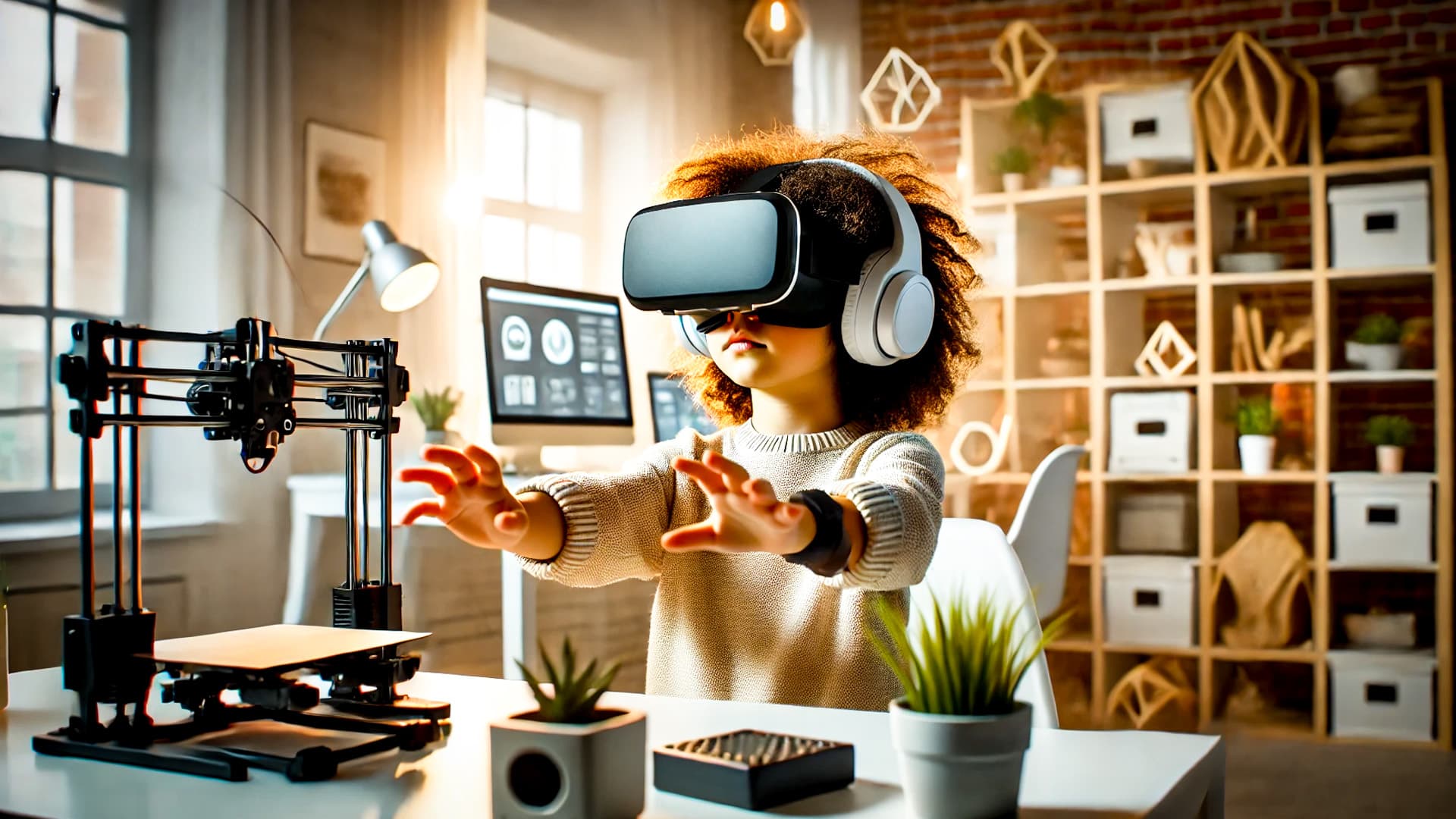
The landscape of education is undergoing a profound transformation. At the heart of this change is virtual reality (VR), a technology that was once the stuff of science fiction but is now becoming a pivotal part of the modern classroom. The advent of VR in education is not just an enhancement to existing methods; it represents a paradigm shift in how knowledge is imparted, absorbed, and retained. This immersive technology is creating new possibilities, allowing students to explore, experience, and engage with content in ways that were previously unimaginable. As we delve into the revolution of virtual reality in education, we'll uncover how this innovative tool is reshaping the future of learning.
The Emergence of Virtual Reality in the Classroom
Virtual reality has slowly but surely made its way into educational settings, driven by rapid advancements in technology and the growing recognition of its potential. Initially used in niche settings, such as medical training and high-end engineering simulations, VR is now being embraced across various educational levels. From elementary schools to universities, classrooms are being outfitted with VR headsets, and educators are integrating VR experiences into their curricula. This shift is not merely about adopting a new gadget; it's about redefining the educational experience. As students don headsets, they are transported into environments where they can interact with 3D models, explore historical sites, or even dissect a virtual frog'activities that make learning tangible and engaging.
Why Virtual Reality is a Game-Changer for Education
Virtual reality is revolutionizing education because it taps into the very essence of how we learn'through experience. Traditional education often relies on abstract concepts, which can be difficult for students to grasp fully. VR changes this by providing a visceral, immersive experience that bridges the gap between theory and practice. Imagine studying the solar system not just by reading about it, but by actually walking on the surface of Mars or flying through the asteroid belt. This kind of experiential learning is a game-changer because it allows students to learn by doing, which is known to enhance understanding and retention of information. Moreover, VR engages multiple senses, making it easier for students to form lasting connections with the material they are studying.
The Shift from Traditional Methods to Immersive Learning
The transition from traditional educational methods to immersive learning experiences signifies more than just a technological upgrade; it represents a shift in educational philosophy. Traditional methods often emphasize rote memorization and passive absorption of information, which can lead to disengagement and a lack of deep understanding. Immersive learning, on the other hand, focuses on active participation and exploration. In a VR-enhanced classroom, students are not just recipients of information; they are explorers, creators, and problem-solvers. This shift is crucial in preparing students for the complexities of the modern world, where critical thinking and adaptability are key.
The Benefits of Virtual Reality in Education
Enhanced Engagement and Participation
One of the most significant benefits of virtual reality in education is its ability to captivate students' attention. In an age where distractions are plentiful, VR offers an immersive environment that commands full engagement. Unlike traditional textbooks or lectures, VR experiences are interactive and dynamic, allowing students to participate actively in their learning. This heightened engagement leads to better participation and, ultimately, a deeper understanding of the subject matter. When students are fully immersed in a VR experience, they are not just passive observers; they are active participants in their own education, which can lead to improved academic outcomes.
Personalized Learning Experiences for Every Student
Another transformative aspect of VR in education is its ability to offer personalized learning experiences. Every student learns at their own pace and in their own way. VR can cater to these individual differences by allowing students to interact with educational content in a manner that suits their learning style. For instance, a student struggling with geometry can use VR to manipulate 3D shapes, gaining a better understanding of spatial relationships. On the other hand, a student with a keen interest in history can explore virtual reconstructions of ancient civilizations, diving as deep into the subject as they wish. This personalized approach ensures that all students can achieve their full potential, regardless of their starting point.
Breaking Down Geographic and Language Barriers
Virtual reality also has the power to transcend geographic and language barriers, making education more accessible to all. In a VR classroom, students from different parts of the world can come together in a shared virtual space, fostering global collaboration and understanding. Additionally, language barriers can be mitigated through immersive language learning environments, where students can practice a new language in context, interacting with virtual characters in a simulated real-world setting. This global perspective is increasingly important in today's interconnected world, where cross-cultural communication and understanding are essential skills.

How Virtual Reality Enhances Different Learning Styles
Visual Learners: Bringing Concepts to Life
Visual learners thrive when they can see and interact with information in a graphical format. Virtual reality is a boon for these students, as it transforms abstract concepts into visual, interactive experiences. For example, instead of reading about the structure of a cell, students can explore a 3D model, zooming in to examine each component in detail. This ability to visualize complex information makes it easier for visual learners to grasp and retain knowledge. In VR, learning is not just about reading and memorizing; it's about seeing and experiencing, which can lead to a much deeper understanding of the material.
Kinesthetic Learners: Hands-On Interaction in a Virtual World
Kinesthetic learners, who learn best through hands-on activities, can particularly benefit from VR. Virtual reality allows these students to interact with educational content in a physical way, even in subjects where hands-on learning was previously impossible. For example, in a VR science lab, students can conduct experiments, mix chemicals, and observe reactions, all without the constraints of a physical lab. This kind of active, experiential learning is ideal for kinesthetic learners, who often struggle with traditional, lecture-based instruction. VR provides them with the opportunity to learn by doing, which is the most effective way for them to grasp new concepts.
Auditory Learners: Immersive Soundscapes for Deeper Understanding
Auditory learners, who absorb information best through listening, can also benefit from VR, especially when it incorporates rich, immersive soundscapes. In a virtual reality environment, sound can be used to guide learners, provide context, and enhance the overall experience. For example, in a virtual history lesson, students might hear the sounds of a bustling ancient marketplace as they explore the streets of Rome, or listen to the roar of a crowd as they stand in a virtual coliseum. These auditory cues help to create a more immersive learning experience, making it easier for auditory learners to understand and remember the material.
Real-World Applications of Virtual Reality in Education
Virtual Field Trips: Exploring the World Without Leaving the Classroom
One of the most exciting applications of VR in education is the virtual field trip. With virtual reality, students can explore far-flung locations and historical sites without ever leaving the classroom. Whether it's walking through the Great Wall of China, diving into the depths of the ocean, or even exploring the surface of the moon, VR makes it possible for students to experience places and events that would otherwise be out of reach. These virtual field trips not only enhance learning by providing context and real-world connections, but they also ignite students' curiosity and desire to explore the world around them.
STEM Education: Experiencing Science and Technology Firsthand
STEM (Science, Technology, Engineering, and Mathematics) education is another area where VR is making a significant impact. In a VR environment, students can engage with scientific concepts and engineering challenges in a hands-on, immersive way. For instance, students can explore the inner workings of the human body, observe the behavior of atoms and molecules, or even design and test their own virtual bridges. This kind of interactive, experiential learning is particularly valuable in STEM education, where understanding complex, abstract concepts is often a challenge. With VR, students can see and experience these concepts firsthand, making them easier to grasp and remember.
Virtual Labs: Safe and Scalable Learning Environments
Virtual labs are another important application of VR in education, providing students with a safe, scalable environment to conduct experiments and explore scientific concepts. In a virtual lab, students can experiment with dangerous chemicals, observe the effects of different variables, and even make mistakes'all without the risk of injury or the need for expensive lab equipment. This kind of experiential learning is not only safer and more cost-effective, but it also allows for greater flexibility in the curriculum. Teachers can design experiments that would be impossible in a traditional lab, giving students the opportunity to explore and learn in new and exciting ways.
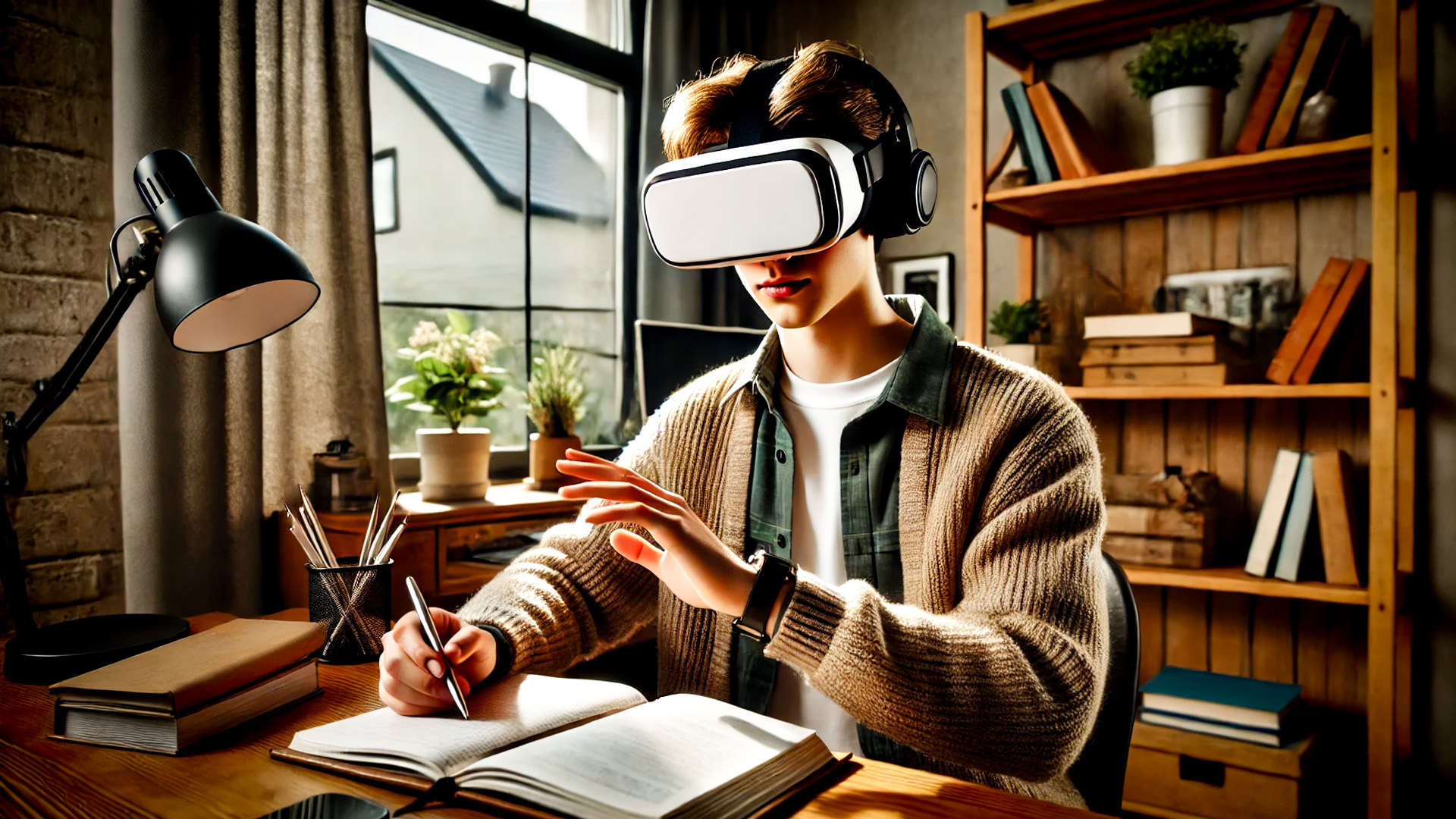
Challenges and Considerations in Implementing Virtual Reality
Cost and Accessibility: Making VR Affordable for All Schools
While the benefits of VR in education are clear, implementing this technology in schools comes with its own set of challenges. One of the biggest hurdles is cost. VR equipment, including headsets and compatible computers, can be expensive, and not all schools have the budget to invest in this technology. Moreover, there are ongoing costs associated with maintaining and updating the equipment. To make VR accessible to all students, educators and policymakers need to find ways to reduce these costs, whether through grants, partnerships with tech companies, or other funding sources.
Teacher Training: Preparing Educators for the VR Revolution
Another challenge in implementing VR in education is ensuring that teachers are adequately trained to use this technology. Virtual reality is a powerful tool, but it requires a different approach to teaching. Educators need to learn how to integrate VR into their lessons effectively, how to manage a VR-equipped classroom, and how to assess students' learning in this new environment. This means providing teachers with the training and support they need to become comfortable and proficient with VR technology. Without this training, the full potential of VR in education may not be realized.
Ethical Concerns: Privacy, Security, and Digital Well-being
As with any new technology, the use of VR in education raises important ethical concerns. Issues of privacy and security are paramount, especially when it comes to protecting students' data. In a VR environment, students may be sharing more personal information than they would in a traditional classroom, and schools need to ensure that this data is kept safe and secure. Additionally, there are concerns about the impact of prolonged VR use on students' physical and mental well-being. Schools need to establish guidelines for the safe and responsible use of VR, balancing the benefits of this technology with the need to protect students' health and privacy.
he Future of Virtual Reality in Education
Emerging Technologies: What's Next in VR for Learning
The future of VR in education is bright, with new technologies and applications on the horizon that promise to make learning even more immersive and effective. Advances in hardware, such as lighter, more comfortable headsets and more powerful processors, will make VR more accessible and user-friendly. Meanwhile, developments in software, including AI-driven adaptive learning systems and more sophisticated simulations, will allow for even more personalized and engaging educational experiences. As these technologies continue to evolve, VR will become an increasingly integral part of the educational landscape, offering students new and exciting ways to learn.
The Role of AI and Machine Learning in Enhancing VR Education
Artificial intelligence (AI) and machine learning are set to play a major role in the future of VR in education. These technologies can be used to create adaptive learning environments that respond to students' individual needs and learning styles. For example, an AI-driven VR system could monitor a student's progress and adjust the difficulty of the material in real-time, providing additional support where needed or offering more challenging tasks to advanced learners. Machine learning algorithms can also analyze data from VR experiences to identify patterns and trends, helping educators to refine their teaching strategies and improve student outcomes.
Predicting the Long-Term Impact on Students and Society
As we look to the future, it's important to consider the long-term impact of VR in education, not just on individual students, but on society as a whole. VR has the potential to democratize education, making high-quality learning experiences accessible to students regardless of their location or socioeconomic status. It can also help to bridge the gap between education and the real world, better preparing students for the challenges they will face in their careers and personal lives. However, there are also potential downsides to consider, such as the risk of over-reliance on technology or the widening of the digital divide. As we move forward, it will be important to strike a balance, ensuring that the benefits of VR in education are realized while addressing any potential drawbacks.

Schools and Institutions Leading the VR Revolution
Success Stories from Schools Using VR
There are already many success stories from schools and institutions that have embraced VR in their classrooms. These schools are using VR to engage students in new and exciting ways, and the results have been overwhelmingly positive. For example, in a recent case study, a middle school in California used VR to teach students about ancient civilizations. The students were able to explore virtual reconstructions of ancient cities, interact with historical figures, and even participate in simulated archaeological digs. The school reported that students were more engaged, more motivated to learn, and performed better on assessments after using VR in the classroom.
Higher Education: Universities Adopting Virtual Reality
Universities are also at the forefront of the VR revolution, with many institutions using this technology to enhance their curricula. For example, medical schools are using VR to simulate surgeries, allowing students to practice their skills in a safe, controlled environment. Engineering schools are using VR to create virtual prototypes, giving students the opportunity to test their designs before building physical models. And business schools are using VR to simulate real-world scenarios, helping students to develop their problem-solving and decision-making skills. These examples demonstrate the wide-ranging applications of VR in higher education and its potential to transform the way students learn.
Lessons Learned from Early Adopters and Innovators
As with any new technology, there are valuable lessons to be learned from the early adopters of VR in education. These pioneers have encountered both successes and challenges, and their experiences can provide valuable insights for other schools and institutions looking to implement VR. One key lesson is the importance of teacher training and support; even the most advanced VR system will not be effective if teachers are not comfortable using it. Another lesson is the need for careful planning and integration; VR should not be seen as a replacement for traditional teaching methods, but as a complement to them. By learning from the experiences of these early adopters, other schools can avoid common pitfalls and ensure the successful implementation of VR in their classrooms.
Recap of the Revolutionary Potential of VR in Education
Virtual reality is revolutionizing education by providing students with immersive, interactive learning experiences that are more engaging, more personalized, and more effective than traditional methods. From virtual field trips to personalized learning environments, VR is transforming the way students learn and preparing them for the challenges of the modern world.
Call to Action: Embracing Virtual Reality for a Better Learning Future
As educators, policymakers, and parents, it's time to embrace the potential of virtual reality in education. By investing in VR technology, providing teacher training, and addressing the challenges of cost and accessibility, we can ensure that all students have the opportunity to benefit from this revolutionary tool.
Final Thoughts: The Road Ahead for Virtual Reality in Education
The future of education is bright, with virtual reality leading the way. As this technology continues to evolve, it will offer new and exciting opportunities for students to learn, explore, and grow. By embracing VR in our classrooms, we can help to create a more engaging, more effective, and more equitable education system for all.