

A seismic shift is occurring in how we interact with one another. The metaverse, an expansive digital realm, is reimagining the fabric of social interaction. In this immersive world, people gather not only to communicate but to experience, create, and collaborate in ways once deemed impossible. The boundaries between the physical and virtual are dissolving, leading us into a new age of social connectivity where the rules of engagement are being rewritten.
The Evolution of Socializing: From Physical to Virtual Worlds
The Rise of Social Networks and Digital Communities
The emergence of social media has reshaped human interaction, creating global platforms where connections can flourish across time zones and distances. Facebook, Twitter, and Instagram paved the way for these digital communities, enabling relationships to transcend physical limitations. However, these two-dimensional platforms are now being viewed as precursors to something far more immersive. The metaverse, with its three-dimensional spaces, promises to elevate social networks into richer, more dynamic realms where interactions are no longer limited to screens, offering a glimpse of a deeper, more embodied digital future.
The Transition to Immersive Virtual Spaces: A Paradigm Shift
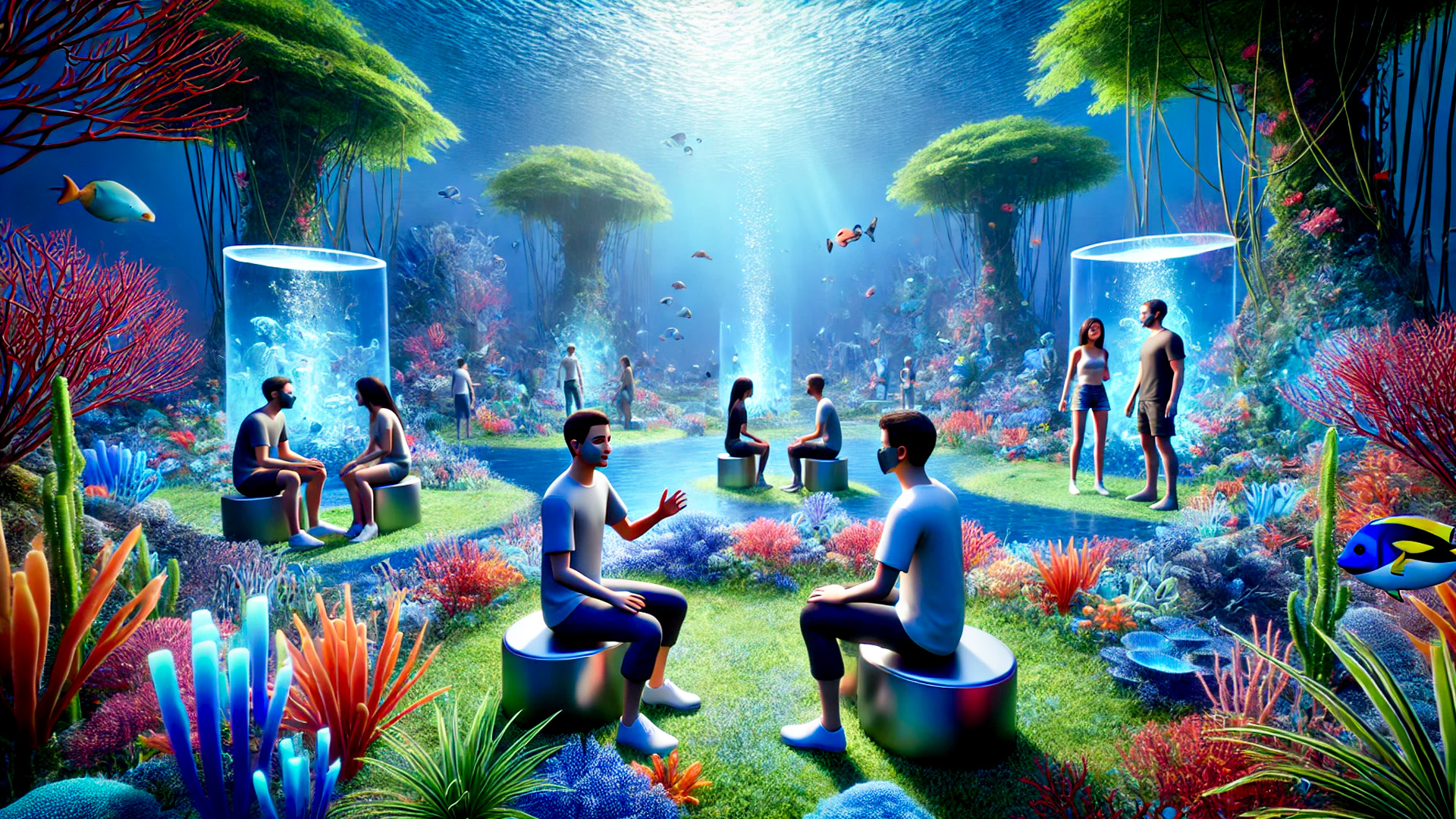
The shift from static digital interactions to immersive virtual spaces marks a fundamental change in how we socialize. In the metaverse, physical distance becomes irrelevant as virtual spaces allow users to experience presence in new ways. This paradigm shift blurs the lines between the virtual and real, enabling users to engage through avatars that move, gesture, and express emotions in real-time. This creates an environment where social interactions feel tangible and deeply personal, pushing the boundaries of how we understand digital connection.
How the Metaverse Expands the Definition of Social Interaction
Social interaction in the metaverse goes beyond traditional definitions, offering a multidimensional experience that combines voice, movement, and shared virtual activities. Whether attending events, exploring worlds, or collaborating on projects, users can engage with others in real-time immersive environments. The metaverse expands the concept of "being social" to include not just communication, but shared, lived experiences, creating a new frontier for how we connect and collaborate across digital and physical spaces.
Virtual Events in the Metaverse: Redefining Gatherings
Attending Concerts, Festivals, and Conferences from Anywhere
In the metaverse, the experience of attending concerts, festivals, and conferences is revolutionized. Imagine joining a sold-out concert without worrying about distance or travel'your avatar immerses itself in a vibrant, virtual crowd, dancing alongside thousands, all while interacting with other fans in real time. These virtual events, from music festivals to international conferences, are no longer confined by geography, enabling global participation. Performers and speakers can engage directly with attendees, fostering an interactive, engaging environment that mirrors, and sometimes surpasses, the energy of in-person events.
The Future of Corporate Networking and Virtual Workspaces
The metaverse is redefining how businesses operate, offering immersive virtual workspaces that enable seamless collaboration. Picture stepping into a fully equipped virtual boardroom where team members from around the world collaborate in real time, using interactive tools like digital whiteboards and 3D data models. Virtual networking events, once restricted to specific locations, are now held in expansive, dynamic environments where professionals from different industries meet, exchange ideas, and foster partnerships. These virtual spaces make global collaboration more efficient, eliminating the barriers of time zones and physical presence.
How Virtual Events are Offering New, Global Opportunities for Connection
The rise of virtual events is breaking down barriers, offering unprecedented global access to experiences that were once limited by socio-economic factors or geography. Whether it's an international conference, a cultural festival, or a major sporting event, anyone with access to the metaverse can now attend. This inclusivity is creating new opportunities for cultural exchange, global networking, and collaborative ventures, reshaping how people connect, engage, and participate in events on a worldwide scale.

Building Friendships in Digital Spaces: The New Norm
Shared Virtual Experiences as the Foundation for Relationships
In the metaverse, shared virtual experiences are becoming the cornerstone of relationships. Whether co-creating a virtual city, teaming up in multiplayer games, or exploring digital realms together, these interactions forge deep bonds that feel just as meaningful as real-world connections. The collaborative nature of these activities fosters a sense of camaraderie and mutual achievement, making the friendships formed in the metaverse as authentic and lasting as those built in physical spaces, even if the individuals never meet in person.
How Avatars and Digital Identities Are Changing the Way We Perceive Each Other
Avatars in the metaverse allow people to craft digital identities that transcend the constraints of the physical world. From fantastical appearances to more nuanced expressions of personality, avatars provide a creative outlet for self-representation. This freedom enables individuals to highlight aspects of themselves they might be hesitant to reveal in reality, leading to more authentic interactions. In some cases, these digital personas allow people to connect on a deeper level, free from societal judgments tied to their real-world identity, which can enhance empathy and understanding in virtual relationships.
Authenticity and Anonymity: The Balance Between Virtual and Real-World Friendships
While the metaverse offers a sense of anonymity that fosters creativity and self-expression, it also introduces challenges around authenticity. Avatars can obscure aspects of one's real identity, raising questions about the depth and sincerity of virtual friendships. However, the anonymity that avatars provide also allows for honest connections, as individuals feel freer to express themselves without fear of judgment. Navigating the balance between virtual anonymity and maintaining a sense of real-world authenticity is a nuanced aspect of the metaverse, influencing the evolution of both virtual and real-world friendships.
Social Platforms within the Metaverse: Creating Digital Communities
Popular Metaverse Platforms That Are Reshaping Social Networks
Platforms such as Decentraland, Roblox, and VRChat have emerged as frontrunners in the metaverse, transforming how we engage socially. These digital hubs are evolving into virtual epicenters for interaction, allowing users to build digital homes, host virtual events, and interact with diverse communities. By offering immersive spaces where users can create, share, and connect, these platforms are redefining what it means to build and nurture relationships, ushering in a new era of social networking beyond traditional platforms like Facebook or Instagram.
The Role of NFTs, Virtual Real Estate, and Digital Goods in Community Building
In the metaverse, NFTs, virtual real estate, and digital goods serve as more than just assets; they are cultural and social symbols. Owning unique NFTs or premium virtual real estate within these platforms can offer access to exclusive events, privileges, and communities. These digital items help to establish personal identity, signal status, and foster a sense of belonging within virtual communities. By intertwining ownership with social identity, NFTs and digital goods create strong connections and build loyal communities around shared interests and investments.
Gamification and Social Incentives: Keeping Users Engaged in Virtual Worlds
Gamification is central to keeping users engaged in the metaverse. From virtual economies that reward participation to unlocking achievements tied to social interaction, users are motivated to stay active. Features like leaderboards, quests, and in-world currency systems offer tangible incentives for participation, turning everyday social activities into rewarding experiences. By integrating gaming mechanics into social interaction, platforms can build deeper user loyalty, ensuring that people not only return but become invested in the virtual communities they inhabit.
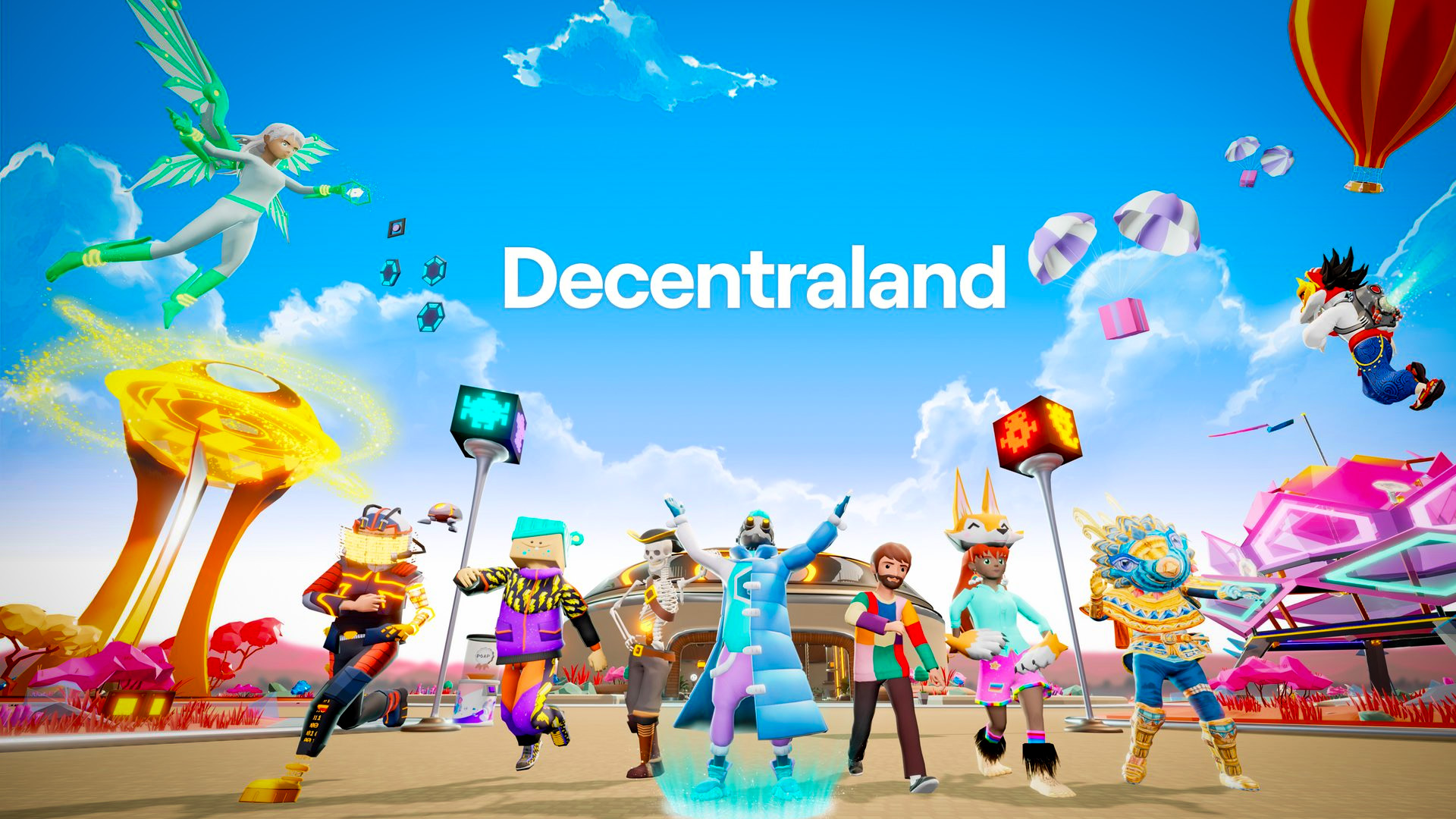
Decentraland
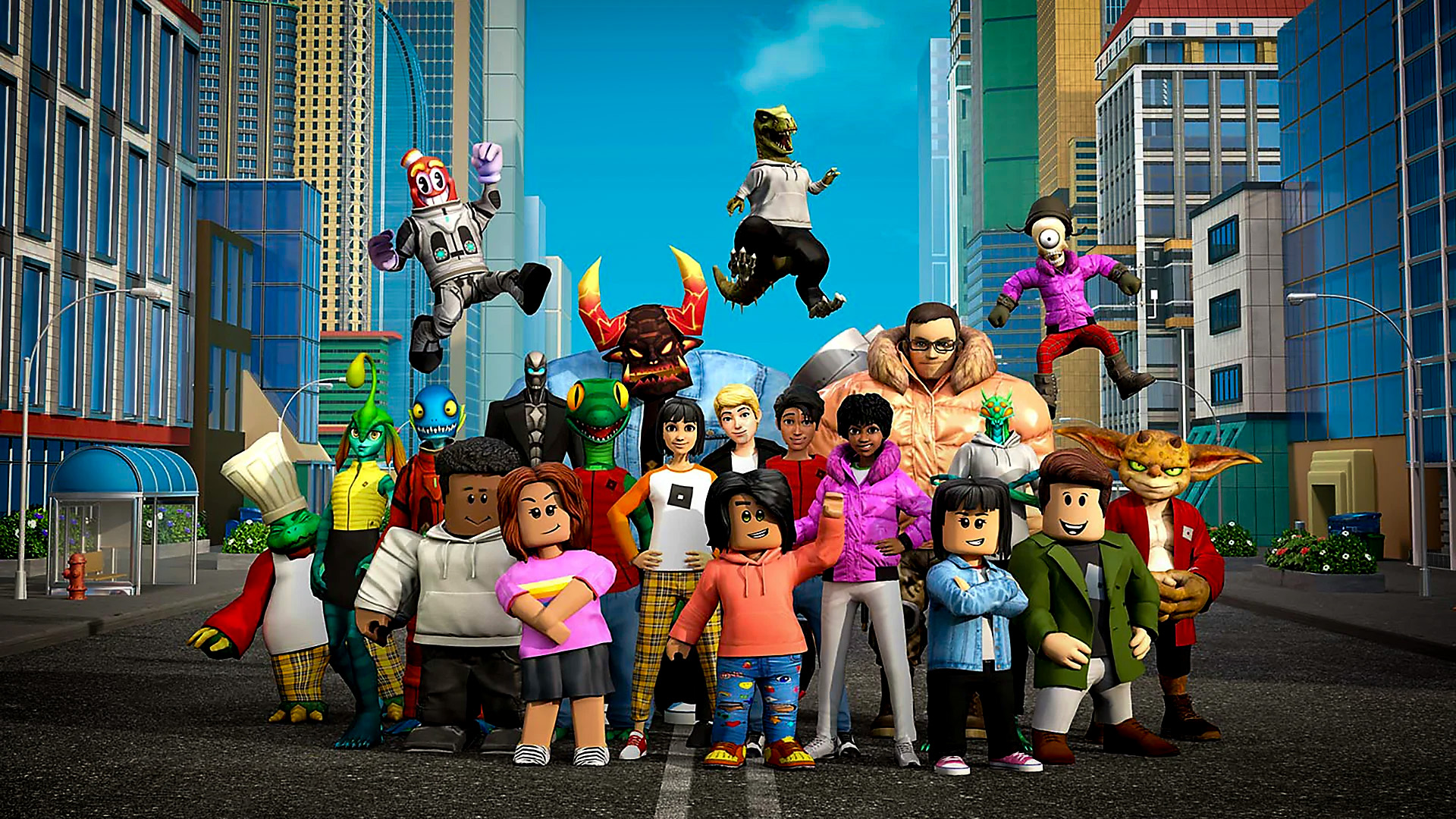
Roblox
Virtual Reality and Augmented Reality: The Tools Enabling New Social Experiences
How VR is Bringing Us Closer in Virtual Spaces
Virtual Reality (VR) is revolutionizing the way we connect by creating immersive, shared environments that foster a sense of "being there" with others. Unlike traditional online interactions that rely on text or video, VR allows users to inhabit virtual spaces together, enhancing the depth of interaction. Whether it's collaborating on a project, attending a social gathering, or playing games with friends, VR brings an unparalleled level of emotional and social closeness. The immersive nature of VR makes interactions feel more genuine, bridging the gap between the digital and physical worlds.
The Role of AR in Enhancing Physical and Digital Interactions
Augmented Reality (AR) bridges the physical and digital realms by overlaying virtual elements onto the real world, enriching our interactions with digital enhancements. AR enhances physical spaces by adding layers of information, visuals, and interaction that deepen communication. For example, AR can allow people to share digital objects, like 3D models or virtual notes, in real time while engaging in face-to-face conversations. This blend of real and virtual experiences enables a more fluid, connected form of interaction, where digital engagement enhances rather than replaces physical presence.
Immersive Technologies: Fostering Deeper Emotional Connections Across Distances
Immersive technologies like VR and AR create a unique sense of presence, allowing for more emotionally resonant experiences. Unlike video calls or text-based communication, VR's 3D environments make users feel as though they are physically together, even when miles apart. These technologies foster richer emotional connections by engaging multiple senses, making virtual interactions feel more real. Whether attending a virtual family gathering or collaborating on a work project in a virtual office, immersive technologies enable people to connect on a deeper emotional level, despite geographic barriers.
Breaking Down Geographical and Cultural Barriers
How the Metaverse Creates a Truly Global Social Environment
The metaverse enables a borderless world where individuals from all corners of the globe can interact in ways that transcend physical limitations. In these virtual spaces, geographic distance ceases to be a barrier, allowing people from different cultures, languages, and backgrounds to connect instantly. This creates a global social environment where cultural exchange, collaboration, and shared experiences flourish, fostering a sense of global citizenship. The metaverse has become a space where ideas, traditions, and perspectives from around the world can converge, driving new levels of understanding and cooperation.
New Opportunities for Cross-Cultural Friendships and Collaborations
The metaverse serves as a unique platform for fostering cross-cultural friendships and collaborations. With individuals from diverse backgrounds congregating in shared digital spaces, there are endless opportunities for creative partnerships, business ventures, and personal connections. Whether it's co-developing a virtual art gallery, participating in international gaming communities, or working on global projects, the metaverse enables collaboration that defies traditional boundaries of time zones and location. This digital cosmopolitanism allows for the seamless blending of cultural perspectives, enriching both social and professional interactions.
The Impact of Language Translation and AI in Facilitating Global Interactions
AI-driven language translation tools are revolutionizing communication in the metaverse by breaking down linguistic barriers. Real-time translation allows users from different language groups to engage in conversation effortlessly, fostering inclusivity and global interaction. These AI technologies not only enable seamless communication but also empower users to share ideas and collaborate without the limitations imposed by language differences. As AI continues to evolve, it will play an increasingly pivotal role in creating a fully inclusive global metaverse, where communication is no longer restricted by language.
Challenges and Ethical Considerations in the Metaverse
Data Privacy and Security in Virtual Social Spaces
As social interaction in the metaverse continues to grow, concerns around data privacy and security become increasingly critical. Users in virtual spaces generate vast amounts of data'ranging from their movements to personal preferences'which raises questions about how this data is collected, stored, and used. Protecting this information through robust encryption, secure authentication methods, and transparent data policies will be essential for building trust. Metaverse platforms must prioritize privacy by offering clear opt-in policies, data anonymization techniques, and the ability for users to control and delete their information.
Addressing Online Harassment and Toxic Behavior in Immersive Environments
The immersive nature of the metaverse can amplify the effects of online harassment and toxic behavior, making it crucial for platforms to take proactive steps in maintaining safe virtual spaces. Effective moderation systems that can monitor and address inappropriate behavior in real-time, clear community guidelines, and features like blocking and reporting tools are key strategies. Empowering users with personal safety tools'such as controlling proximity or creating private spaces'can help reduce the emotional impact of negative interactions. Additionally, AI-driven moderation could play a role in detecting and mitigating harassment before it escalates.
Ensuring Inclusivity and Accessibility in Virtual Social Networks
For the metaverse to become a truly thriving social ecosystem, inclusivity and accessibility are paramount. This means ensuring that individuals with disabilities can engage with virtual environments through adaptive interfaces, such as voice commands or eye-tracking technology. It also requires addressing digital literacy gaps so that all users, regardless of background, can fully participate. Furthermore, diverse representation in avatars, virtual spaces, and content will foster a more inclusive environment where users feel seen and valued. Inclusivity is not just a feature but a foundation for a welcoming, vibrant metaverse.
The Future of Socializing in the Metaverse: What's Next?
The Role of Artificial Intelligence in Enhancing Social Experiences
Artificial Intelligence (AI) is set to transform social experiences in the metaverse by providing more personalized, engaging, and efficient interactions. AI-driven virtual assistants can guide users through complex virtual environments, helping them find events, manage their schedules, and connect with others. AI-powered avatars can facilitate communication by translating languages in real-time, understanding context, and responding with appropriate emotional cues. These advancements will make interactions more fluid and meaningful, enhancing the overall social experience in virtual spaces.
The Integration of Physical and Digital Lives: Where Are We Heading?
As technology progresses, the integration of physical and digital lives is becoming more seamless. This hybrid existence means that our social interactions, work environments, and daily routines increasingly blend physical and virtual elements. Augmented Reality (AR) and Virtual Reality (VR) are bridging these worlds, allowing for a fluid transition between physical presence and digital engagement. This shift could lead to new forms of interaction where physical and digital experiences enhance and complement each other, fostering deeper connections and more dynamic ways of engaging with the world.
How Future Metaverse Technologies Could Further Revolutionize Human Connection
The future of the metaverse is likely to bring groundbreaking technologies that will redefine human connection. Advances in haptics could allow users to experience physical sensations within virtual environments, making interactions feel more tangible. Enhanced virtual environments will offer more immersive and realistic experiences, while AI-driven systems will continue to provide more nuanced and personalized interactions. Together, these technologies will create new dimensions of social engagement, potentially altering our understanding of relationships and community. The metaverse could become a space where digital and physical realities converge to offer richer, more complex forms of human connection.

Embracing the New Age of Social Interaction in the Metaverse
The metaverse is heralding a new era of social interaction, fundamentally transforming how we connect, communicate, and collaborate. It extends beyond traditional digital communication, offering immersive experiences where physical and virtual worlds intertwine seamlessly. From participating in virtual events and forming digital friendships to exploring boundless virtual environments, the metaverse provides a rich tapestry of opportunities for connection.
As we navigate this digital frontier, the metaverse invites us to reimagine the possibilities of human interaction. It challenges us to think creatively about how we engage with each other and the world, pushing the boundaries of conventional social norms. By embracing these innovations, we can forge deeper, more meaningful relationships and create new pathways for collaboration and community building. The future of social interaction is not just about enhancing our existing connections but about discovering entirely new ways to connect and thrive together in this evolving digital landscape.