

Exploring the Boundless Horizons of Virtual Creativity
As the digital frontier expands, the metaverse emerges as a vibrant ecosystem teeming with possibilities for artists and designers. This virtual realm transcends traditional boundaries, offering a canvas where creativity knows no limits. From immersive art installations to dynamic fashion design, the metaverse is reshaping the landscape of creative professions, inviting visionaries to pioneer new forms of expression and innovation.
Virtual Artistry: Redefining the Canvas
Immersive Art Installations
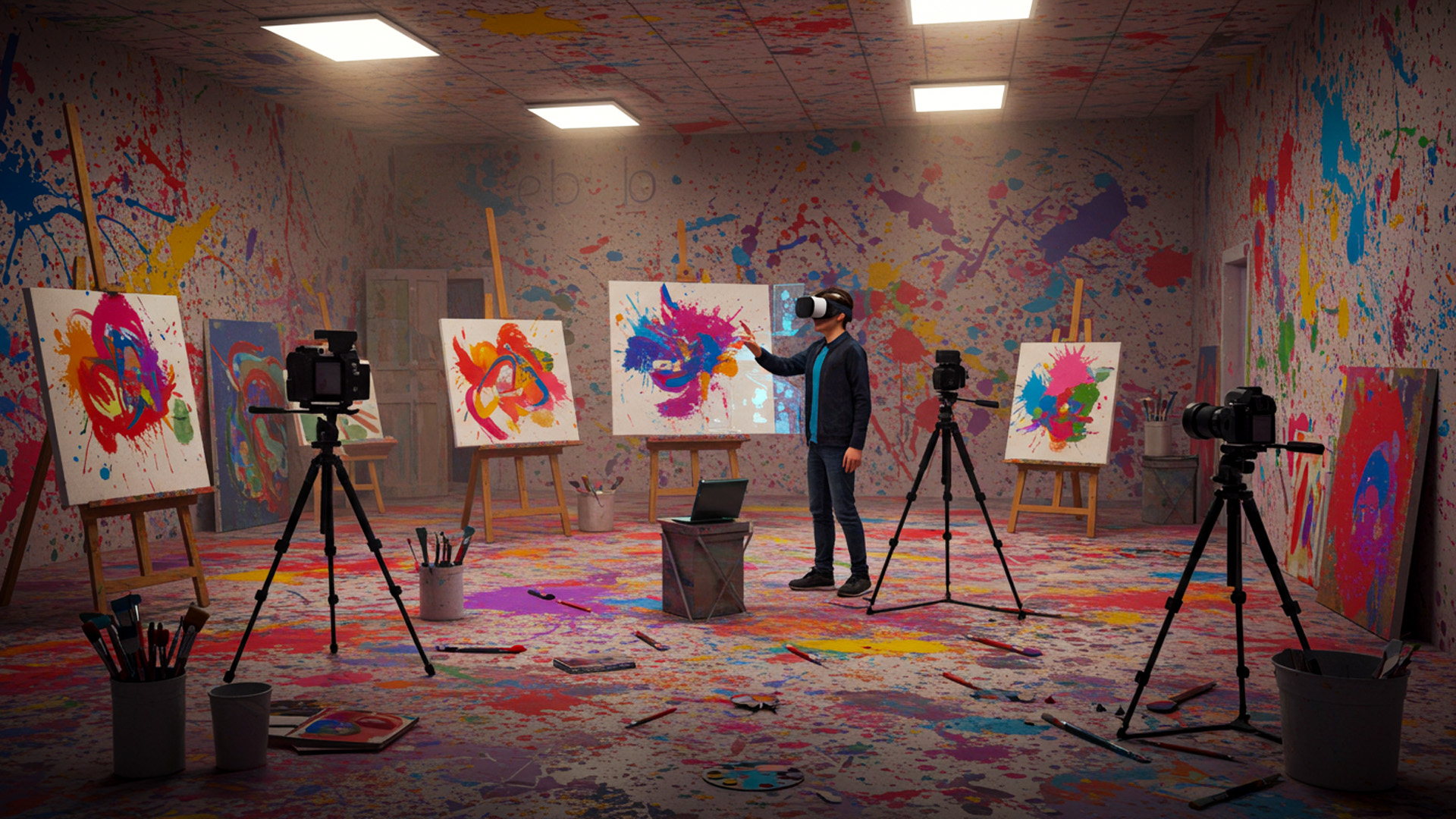
Imagine stepping into a gallery where paintings come to life, swirling with motion and interactive elements that respond to your presence. In the metaverse, immersive art installations transform static visuals into dynamic experiences. Artists leverage virtual reality (VR) and augmented reality (AR) technologies to create environments that envelop viewers, allowing them to navigate through three-dimensional masterpieces. This shift from passive observation to active participation redefines the role of the audience, making art a collaborative journey rather than a solitary encounter.
The metaverse also democratizes access to art, enabling creators to reach a global audience without the constraints of physical space. Virtual exhibitions can be hosted in sprawling digital arenas, attracting diverse visitors from every corner of the world. This interconnectedness fosters a vibrant exchange of ideas, inspiring artists to experiment with new mediums and narratives. The immersive nature of virtual installations not only enhances artistic expression but also paves the way for innovative storytelling techniques that resonate on a deeper, more personal level.
Digital Sculpting and 3D Modeling
In the metaverse, the traditional sculptor's tools are replaced by sophisticated 3D modeling software, allowing artists to craft intricate digital sculptures with unprecedented precision. This digital sculpting transcends the limitations of physical materials, enabling the creation of complex forms and textures that would be impossible to achieve in the tangible world. Artists can manipulate virtual clay, experimenting with shapes and structures in a fluid, adaptable environment that encourages endless experimentation.
The metaverse facilitates collaboration among artists across different geographies, fostering a global community of creators who can co-create in real-time. This interconnectedness accelerates the pace of innovation, as diverse perspectives converge to push the boundaries of digital artistry. The ability to iterate quickly and seamlessly in a virtual space not only enhances the creative process but also opens up new avenues for artistic exploration, making digital sculpting a cornerstone of metaverse-based creative professions.
Augmented Reality Experiences
Augmented reality (AR) bridges the gap between the physical and digital worlds, offering artists a unique platform to enhance real-world environments with virtual elements. This fusion creates hybrid experiences where digital art interacts with tangible surroundings, adding layers of meaning and engagement. For instance, a mural painted on a city wall can be augmented with animated elements that tell a story or respond to viewers' interactions, transforming passive spaces into dynamic narratives.
AR experiences in the metaverse also extend to interactive installations in public spaces, museums, and galleries, where digital overlays provide additional context and depth to traditional artworks. This blending of realities not only enriches the viewer's experience but also expands the scope of artistic expression, allowing designers to experiment with new forms of storytelling and audience engagement. The versatility of AR in the metaverse exemplifies the endless possibilities for artists to redefine their craft and create experiences that are both captivating and meaningful.
Metaverse Fashion Design: Crafting Digital Personas
Virtual Garment Creation
In the metaverse, fashion transcends the physical limitations of fabric and form, giving rise to virtual garments that can be as imaginative as the designer's vision. Virtual garment creation involves designing clothing that exists solely in the digital realm, offering unparalleled flexibility in design and functionality. Designers can experiment with materials, textures, and shapes without the constraints of manufacturing processes, enabling the creation of avant-garde styles that push the boundaries of traditional fashion.
These digital garments serve not only as aesthetic statements but also as functional elements within virtual environments. For example, clothing can be programmed to change color or shape based on the wearer's interactions or the virtual setting, adding a layer of interactivity to fashion. This fusion of technology and design opens up new avenues for self-expression, allowing individuals to craft unique digital personas that reflect their personalities and preferences in ways that are not possible in the physical world.
Customizable Avatars and Accessories
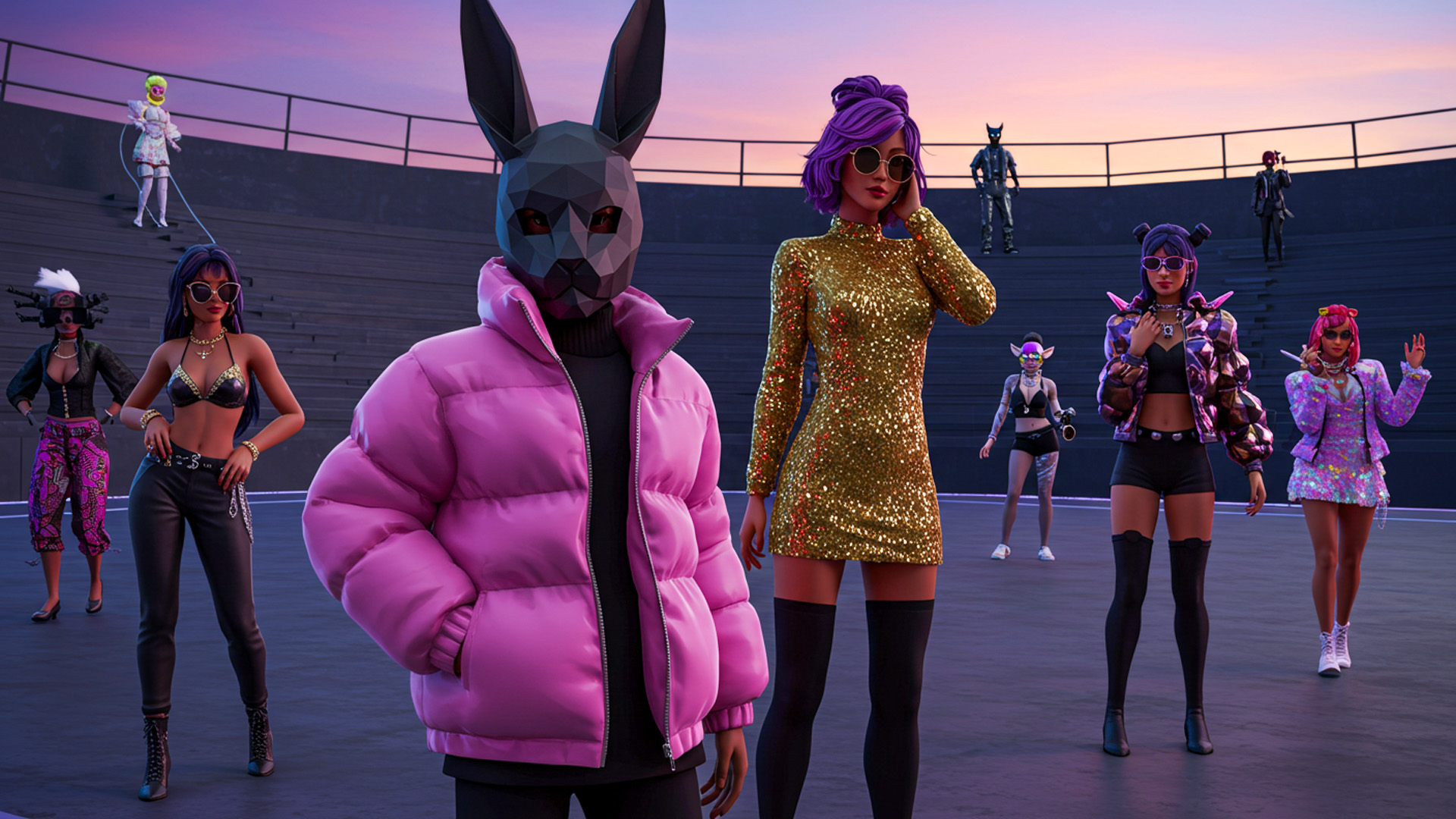
Avatars are the digital embodiments of individuals in the metaverse, and customizable avatars offer a unique opportunity for personal expression through fashion. Designers create a wide array of accessories, from intricate jewelry to bespoke footwear, that users can adorn their avatars with, allowing for endless personalization. This level of customization empowers users to curate their digital identities, making fashion an integral part of their virtual presence.
The ability to seamlessly integrate accessories into various virtual environments enhances the overall user experience. For instance, a designer might create a line of accessories that respond to different virtual settings, such as glowing jewelry for nighttime environments or reflective accessories for high-tech spaces. This adaptability not only showcases the designer's creativity but also ensures that fashion remains relevant and engaging across diverse virtual landscapes, reinforcing the symbiotic relationship between fashion and the metaverse.
Fashion Shows in Virtual Spaces
Virtual fashion shows in the metaverse revolutionize the traditional runway experience by eliminating geographical barriers and introducing interactive elements that enhance audience engagement. Designers can host elaborate digital showcases in expansive virtual venues, attracting a global audience without the logistical challenges of physical events. These virtual shows can incorporate multimedia elements, such as dynamic lighting, animations, and interactive displays, creating an immersive experience that captivates viewers.
Additionally, virtual fashion shows allow for real-time feedback and interaction, enabling designers to gauge audience reactions instantly and adapt their presentations accordingly. This immediate connection fosters a more dynamic and responsive creative process, as designers can experiment with different styles and concepts based on audience preferences. The ability to host fashion shows in the metaverse not only broadens the reach of designers but also redefines the very nature of fashion presentations, making them more inclusive, interactive, and innovative.
Interactive Storytelling and Narrative Design
Narrative-Driven Virtual Environments
The metaverse serves as a fertile ground for narrative-driven virtual environments, where storytelling and design converge to create immersive worlds that engage users on multiple levels. Designers and writers collaborate to craft intricate storylines that unfold within virtual spaces, allowing users to explore and influence the narrative through their interactions. This interactive approach to storytelling transforms passive consumption into active participation, making each user's journey through the virtual environment unique and personal.
These narrative-driven environments can encompass a wide range of genres and themes, from fantasy realms to futuristic cities, each with its own set of rules and lore. By integrating storytelling into the very fabric of the virtual world, designers create a cohesive and compelling experience that captivates users and encourages them to become part of the story. This synergy between narrative and design not only enhances user engagement but also opens up new avenues for creative expression, allowing storytellers and designers to push the boundaries of traditional storytelling.
User-Centric Story Mechanics
User-centric story mechanics place the audience at the heart of the narrative, allowing their choices and actions to shape the unfolding story within the metaverse. This interactive approach empowers users to take an active role in the narrative, making decisions that influence the outcome and direction of the story. By incorporating branching storylines and dynamic elements, designers create a fluid and responsive narrative structure that adapts to the user's interactions, ensuring that each experience is tailored to their preferences and actions.
This level of interactivity fosters a deeper emotional connection between the user and the story, as they become co-creators of the narrative. The ability to influence the storyline not only enhances engagement but also encourages users to explore different paths and outcomes, increasing the replay value and longevity of the virtual experience. User-centric story mechanics redefine the relationship between the storyteller and the audience, transforming passive observers into active participants who drive the narrative forward through their choices and interactions.
Collaborative Story Creation
The metaverse facilitates collaborative story creation, where multiple users can contribute to the development of a shared narrative within a virtual environment. This collaborative approach harnesses the collective creativity of a diverse group of individuals, each bringing their unique perspectives and ideas to the storytelling process. Designers create frameworks and tools that enable seamless collaboration, allowing users to co-create characters, plotlines, and environments in real-time.
Collaborative story creation fosters a sense of community and shared ownership, as users work together to build and evolve the narrative. This collective effort not only enriches the storytelling process but also leads to more complex and nuanced narratives that reflect the diverse inputs of the contributors. By leveraging the collaborative capabilities of the metaverse, designers and storytellers can create rich, multifaceted stories that resonate with a wide audience, enhancing the overall depth and impact of the virtual experience.

Architectural Design in the Metaverse
Virtual Space Planning
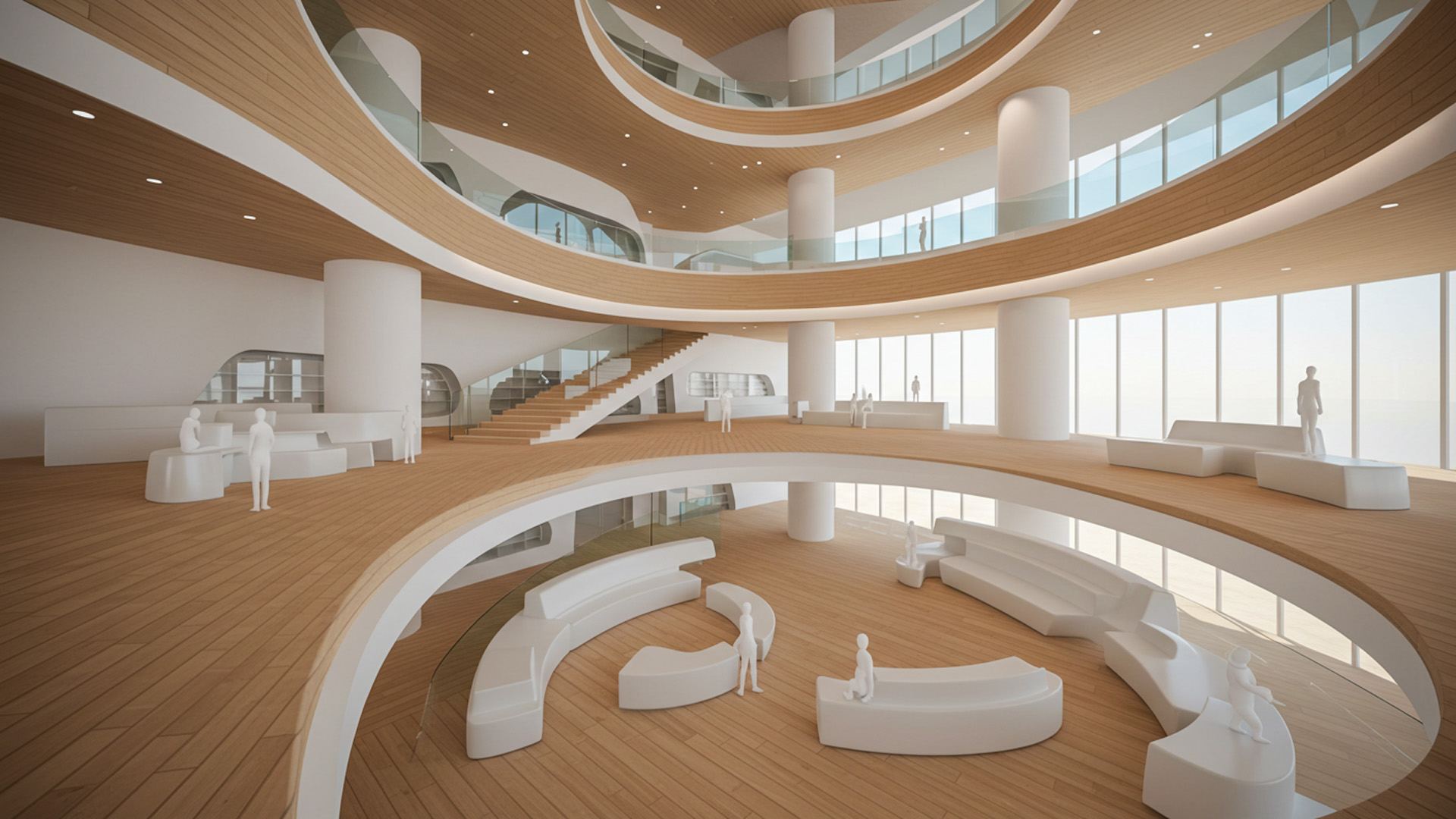
Architectural design in the metaverse transcends the constraints of physical construction, allowing designers to create expansive and intricate virtual spaces with unparalleled freedom. Virtual space planning involves designing environments that are not limited by real-world physical laws, enabling the creation of fantastical structures and landscapes that defy gravity, morph in real-time, or shift based on user interactions. This boundless creativity fosters innovative architectural concepts that push the boundaries of traditional design, offering users immersive and awe-inspiring virtual experiences.
Virtual space planning allows for real-time modifications and iterations, facilitating a dynamic design process where architects can experiment with different configurations and layouts without the need for costly materials or construction time. This agility not only accelerates the creative process but also enables architects to respond quickly to user feedback and evolving trends within the metaverse. The ability to design and redesign spaces on-the-fly opens up new possibilities for architectural expression, making virtual environments more adaptable and engaging for users.
Sustainable Virtual Architecture
Sustainability takes on a new dimension in the metaverse, where virtual architecture can be designed with environmental consciousness in mind without the limitations of physical resources. Sustainable virtual architecture focuses on creating energy-efficient and resource-conscious designs that minimize the environmental footprint of virtual spaces. This includes optimizing virtual building processes to reduce computational power consumption and developing eco-friendly materials that mimic sustainable practices in the physical world.
Sustainable virtual architecture promotes the integration of green spaces and natural elements within virtual environments, fostering a sense of harmony and balance that reflects real-world sustainability efforts. By prioritizing sustainability in virtual design, architects contribute to a more responsible and environmentally aware metaverse, encouraging users to engage with virtual spaces that embody eco-friendly principles. This commitment to sustainability not only enhances the aesthetic and functional aspects of virtual architecture but also aligns with broader societal goals of environmental stewardship and responsible resource management.
Integration of Physical and Digital Structures
The integration of physical and digital structures blurs the lines between the tangible and virtual worlds, creating hybrid environments that seamlessly blend real-world elements with digital enhancements. This convergence allows architects and designers to incorporate real-world data and physical structures into virtual designs, resulting in environments that reflect and augment their physical counterparts. For example, a virtual replica of a city can be enhanced with interactive elements, such as dynamic lighting, animated billboards, and real-time data visualizations, creating a rich and layered experience that complements the physical space.
This integration also facilitates augmented reality applications, where digital structures overlay physical environments, enhancing them with additional information and interactive features. Architects can design virtual additions to existing buildings, such as holographic displays or virtual signage, that provide users with immersive and informative experiences without altering the physical structure. The synergy between physical and digital structures expands the possibilities for architectural design, enabling the creation of environments that are both functional and fantastical, rooted in reality yet elevated by digital innovation.
Sound Design and Audio Engineering
Spatial Audio in Virtual Worlds
Spatial audio revolutionizes the auditory experience within the metaverse by simulating the natural perception of sound in three-dimensional space. Unlike traditional audio, which is typically delivered in a fixed stereo format, spatial audio adjusts the direction, distance, and intensity of sounds based on the user's position and movement within the virtual environment. This creates a more immersive and realistic soundscape, enhancing the overall sensory experience and making interactions within the metaverse feel more authentic.
Sound designers leverage spatial audio to guide users through virtual spaces, using auditory cues to indicate direction, proximity, and environmental changes. For instance, the subtle rustling of leaves might indicate a nearby forest, while distant echoes could suggest vast open spaces. This nuanced use of sound not only enhances the realism of virtual environments but also contributes to the storytelling and emotional impact of the experience. By meticulously crafting the spatial audio landscape, sound designers play a crucial role in shaping the user's perception and engagement within the metaverse.
Interactive Soundscapes
Interactive soundscapes in the metaverse respond dynamically to user interactions and environmental changes, creating a responsive auditory environment that evolves in real-time. These soundscapes adapt to the user's actions, movements, and decisions, providing auditory feedback that enhances the sense of presence and interactivity within the virtual world. For example, footsteps may change in pitch and intensity based on the surface being walked on, or background music might shift in tempo and tone to reflect changes in the narrative or setting.
This level of interactivity transforms sound from a static element into an active participant in the virtual experience, enriching the user's engagement and immersion. Interactive soundscapes also allow for personalized auditory experiences, where users can influence the sound environment through their interactions, creating a unique and tailored experience that resonates on a personal level. By integrating interactivity into sound design, audio engineers contribute to a more dynamic and engaging metaverse, where sound plays a pivotal role in shaping the user's journey and emotional response.
Music Production for the Metaverse
Music production in the metaverse transcends traditional composition, embracing new forms of creativity and collaboration that leverage the unique capabilities of virtual environments. Musicians and producers create dynamic soundtracks that can adapt to the virtual setting, responding to user interactions and changes in the environment to provide a more immersive and engaging auditory experience. This adaptive music enhances the storytelling and emotional impact of virtual environments, seamlessly integrating with the visual and interactive elements to create a cohesive and harmonious experience.
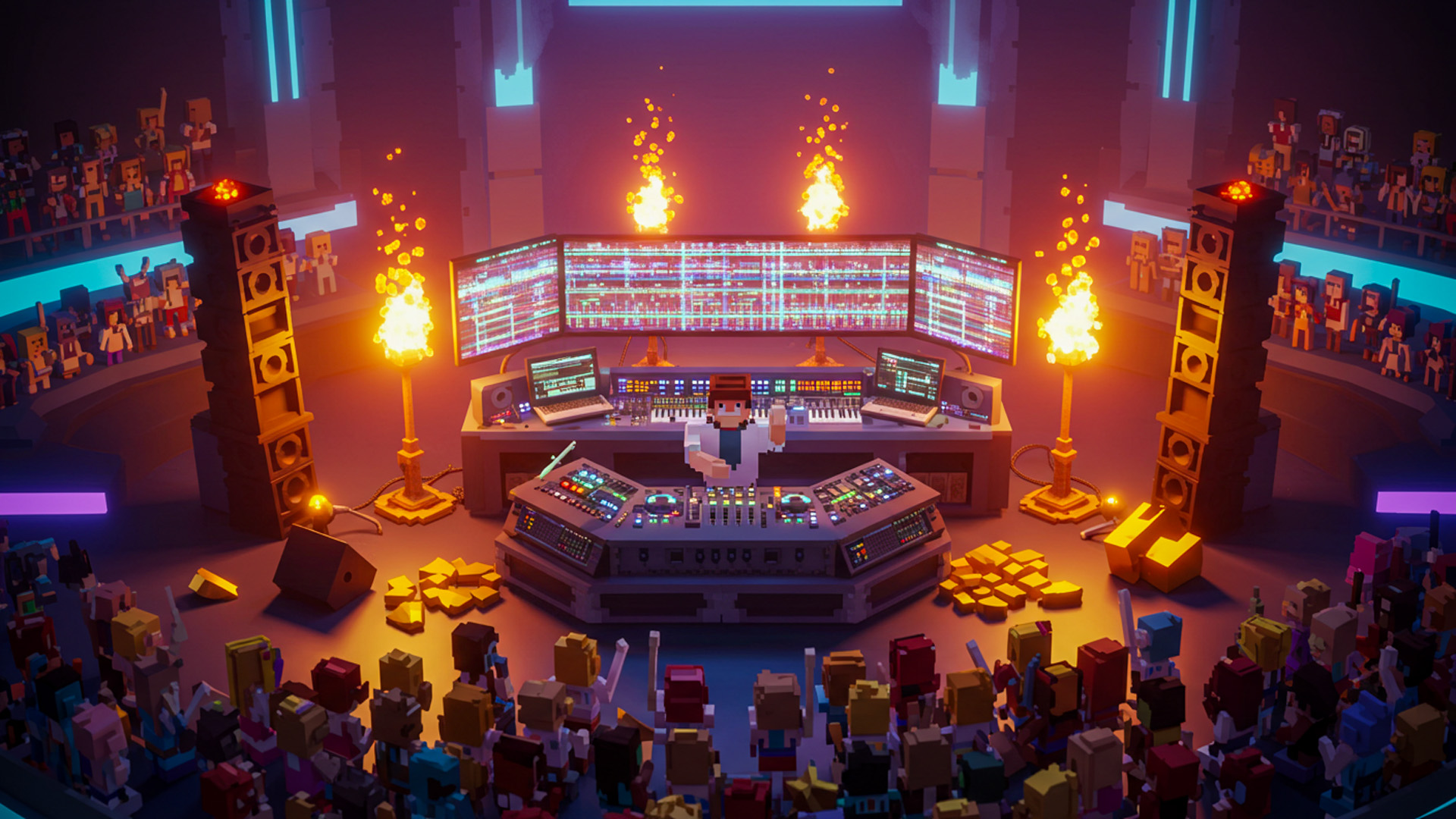
The metaverse facilitates collaborative music production, enabling artists from around the world to co-create in real-time within shared virtual studios. This global collaboration fosters a diverse exchange of ideas and influences, resulting in innovative and genre-defying musical compositions that reflect the interconnected nature of the metaverse. The ability to experiment with new sounds, styles, and production techniques within a virtual space allows musicians to push the boundaries of their craft, creating music that is uniquely suited to the dynamic and ever-evolving landscape of the metaverse.
Sound Design And Audio Engineering