
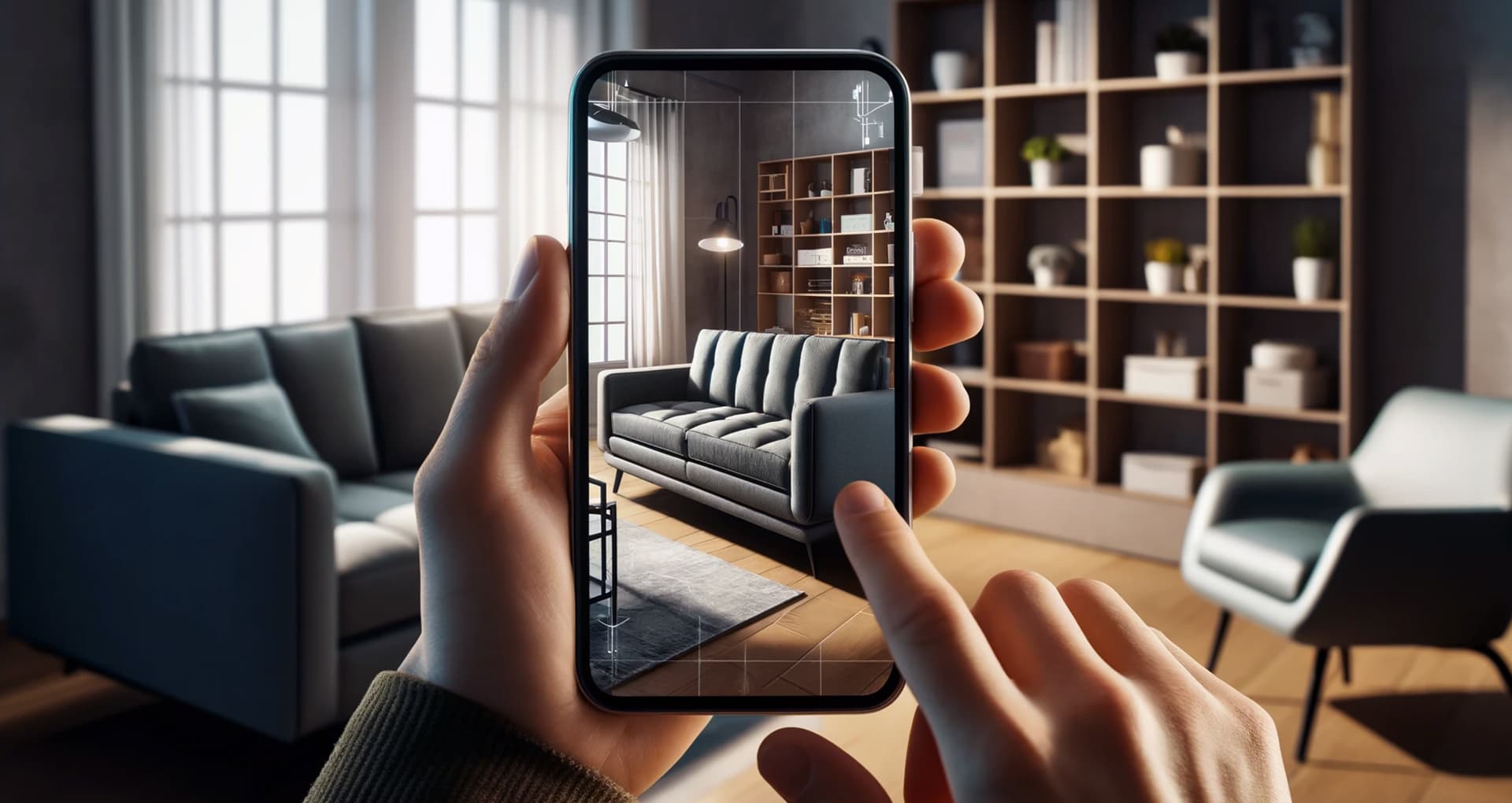
In today's rapidly advancing technological landscape, one of the most intriguing developments is Augmented Reality (AR). This technology integrates digital information with the physical environment in real-time, unlike Virtual Reality (VR) which immerses users in a fully artificial environment. AR enhances the perception of reality through the overlay of digital content such as images, videos, or sounds on the real world.
Clear Definition of Augmented Reality
Augmented Reality (AR) is a technology that layers computer-generated enhancements atop an existing reality in order to make it more meaningful through the ability to interact with it. AR is developed into apps and used on mobile devices to blend digital components into the real world in such a way that they enhance one another, but can also be distinguished easily.
How Does Augmented Reality Work?
AR works by employing computer vision, mapping, and depth tracking. These technologies allow the camera of a smartphone or AR device to identify and analyze the components of the surrounding environment. The software then processes this data to project digital visuals and assets in a seamless and interactive way on the display of the device.
For example, when using an AR smartphone app, as you move your device around, the AR view adjusts in real time, changing the perspective of the augmented additions. This makes the digital content appear as if it is part of the physical world around you.
Applications of Augmented Reality
The applications of augmented reality are broad and diverse, spanning multiple industries. Here are a few examples:
Retail
Retailers use AR to allow customers to try before they buy. Apps can show how furniture might look in a customer's home or how a pair of glasses fits on a user's face.
Education
In educational settings, AR can bring diagrams and textbooks to life. Students can visualize complex processes that would be difficult to describe in a traditional classroom setting.
Healthcare
Surgeons are using AR to visualize the human body in three dimensions, which can help in explaining complex medical conditions to patients and in preparing for surgeries.
Gaming and Entertainment
In the gaming industry, AR creates immersive environments that integrate game characters with the real world. Pok??mon GO is a well-known example where players catch virtual creatures in real-world locations.
Automotive Industry
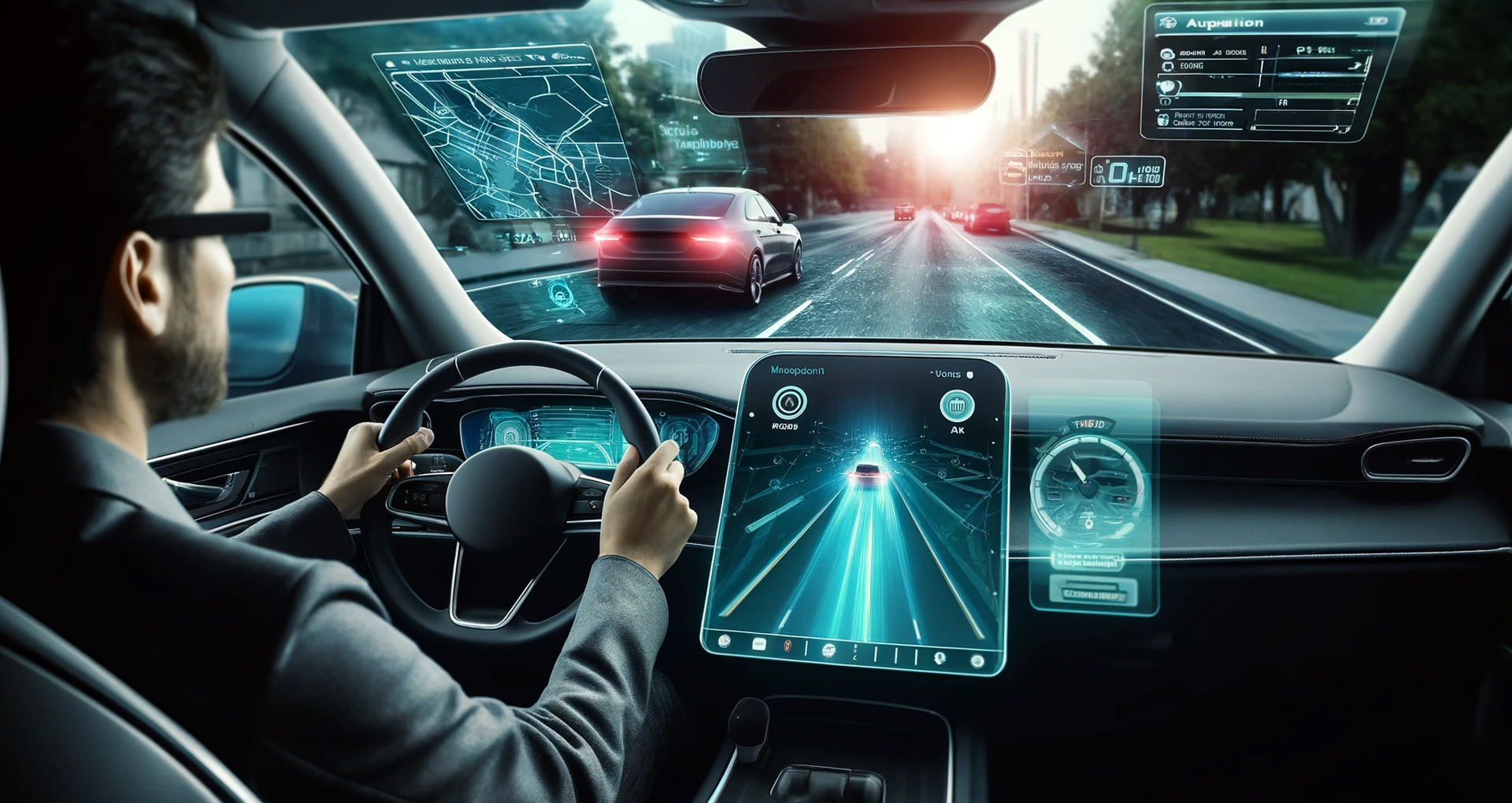
Car manufacturers are using AR to project data such as speed and navigation maps directly into the driver's line of sight, enhancing driving safety and convenience.
The Future of Augmented Reality
The future of AR is promising and expected to bring profound changes in the way we interact with our environment. Innovations in AR technology continue to evolve, with future potential including more sophisticated sensory devices that could further blur the lines between the real and digital worlds. As AR technology becomes more pervasive, it could transform everyday life by making information more accessible and experiences more enriching.
Augmented Reality represents a significant step forward in how digital information is integrated into the real world. It offers unique opportunities to enhance both the way we perceive and interact with our surroundings. As this technology advances, it will undoubtedly open up new avenues for innovation across all sectors of society.