
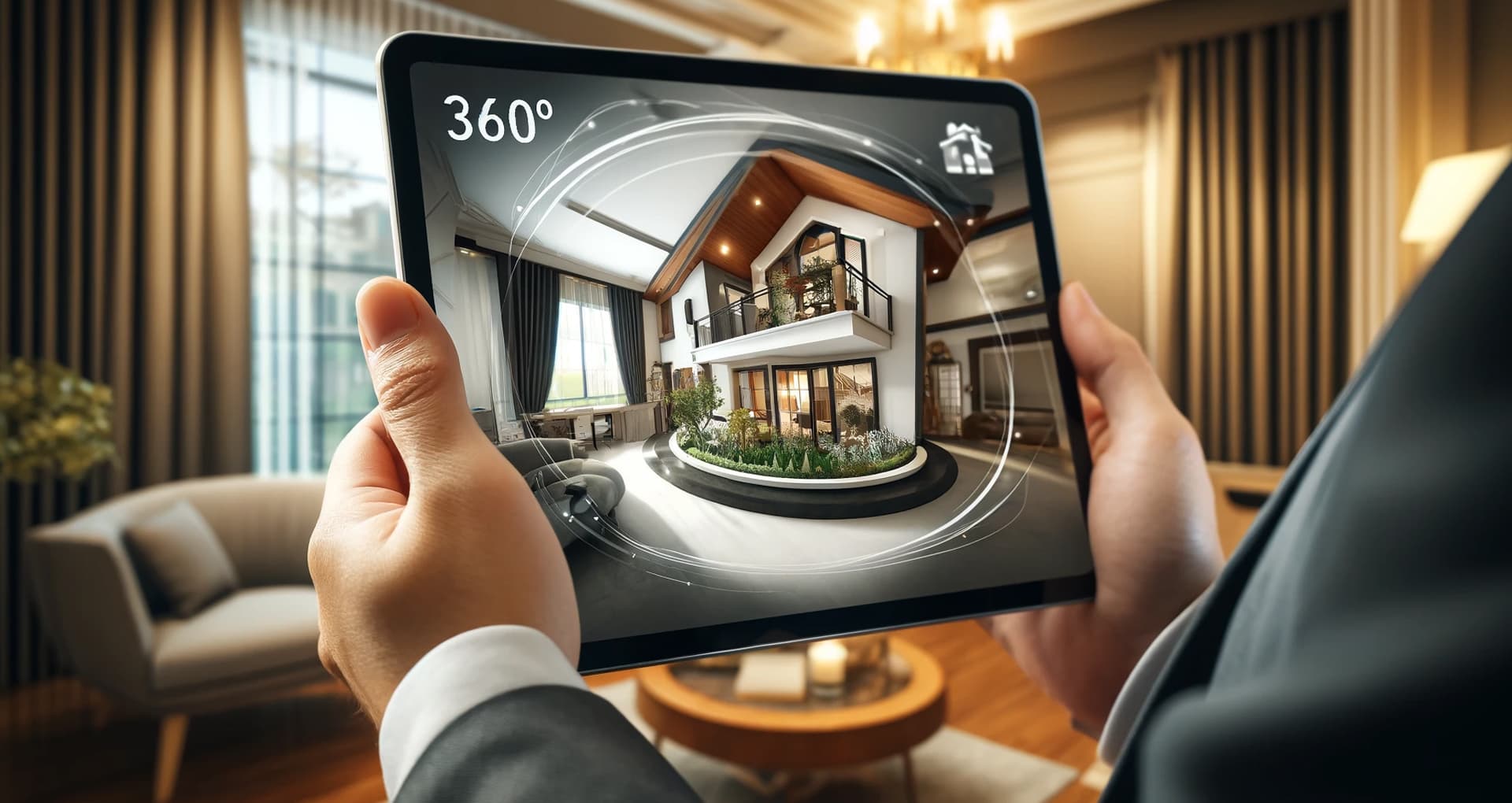
In the realm of immersive media, 360?? video stands out as a groundbreaking technology that offers viewers a spherical viewing experience, enabling them to look in any direction'just as if they were physically present at the filming location. This type of video captures every angle of the scene simultaneously, providing a panoramic view that has revolutionized various industries, from entertainment to education.
Clear Definition of 360?? Video
360?? video, also known as immersive video or spherical video, is a video recording where a view in every direction is recorded at the same time. Shot using an omnidirectional camera or a collection of cameras, 360?? video records a 360-degree field of view in the horizontal plane. Viewers can pan and rotate a 360?? video's perspective to watch it from different angles. This type of video contrasts with traditional cameras which capture a limited field of view and require the director to frame the shot.
How Does 360?? Video Work?
The process of creating 360?? videos involves capturing footage using special camera setups that record all 360 degrees of a scene. Common setups include multiple cameras arranged to capture overlapping angles that can be stitched together into a single spherical video piece. More sophisticated systems involve cameras designed specifically for 360?? recording with built-in lenses that automatically align and calibrate the footage.
Once captured, the video footage is stitched together using software that merges the video from each camera into a seamless sphere. This footage can then be viewed on devices such as smartphones, VR headsets, or on web platforms that support 360?? playback capabilities. The viewer can control the viewing direction, often by dragging the mouse on a computer, moving their phone or tablet around, or physically turning their head while wearing a VR headset.

Applications of 360?? Video
The immersive nature of 360?? video has found applications in numerous fields:
Entertainment and Media
Filmmakers and content creators use 360?? video to create engaging narratives that allow viewers to explore the environment around them, making them feel as if they are part of the story.
Real Estate and Tourism
Real estate agents and tourism companies use 360?? videos to show potential buyers and tourists properties and destinations. It gives them a realistic sense of the space or locale without having to be there physically.
Education and Training
360?? videos are used in educational settings to simulate real-life environments where students can learn about places and phenomena they cannot easily access, such as the deep sea or outer space. It's also used for training purposes in various professions, including emergency response and military training.
Events and Performances
Live events and performances are increasingly being recorded in 360?? video, allowing users who are not physically present to experience the event as if they were there, from concerts to sports games.
The Future of 360?? Video
As technology advances, the quality and accessibility of 360?? video are expected to improve, making it more mainstream. Innovations in camera technology and software will likely make these videos easier to produce and more immersive, with enhancements such as 3D depth and augmented reality elements. The growing prevalence of VR and AR technologies suggests that 360?? video has a promising future, continuing to transform how we capture and experience digital content.
In conclusion, 360?? video offers a unique and immersive experience that extends the boundaries of traditional video. By allowing viewers to control their perspective, it creates a sense of presence and engagement that is unparalleled, making it a powerful tool for storytelling, education, and virtual presence.