
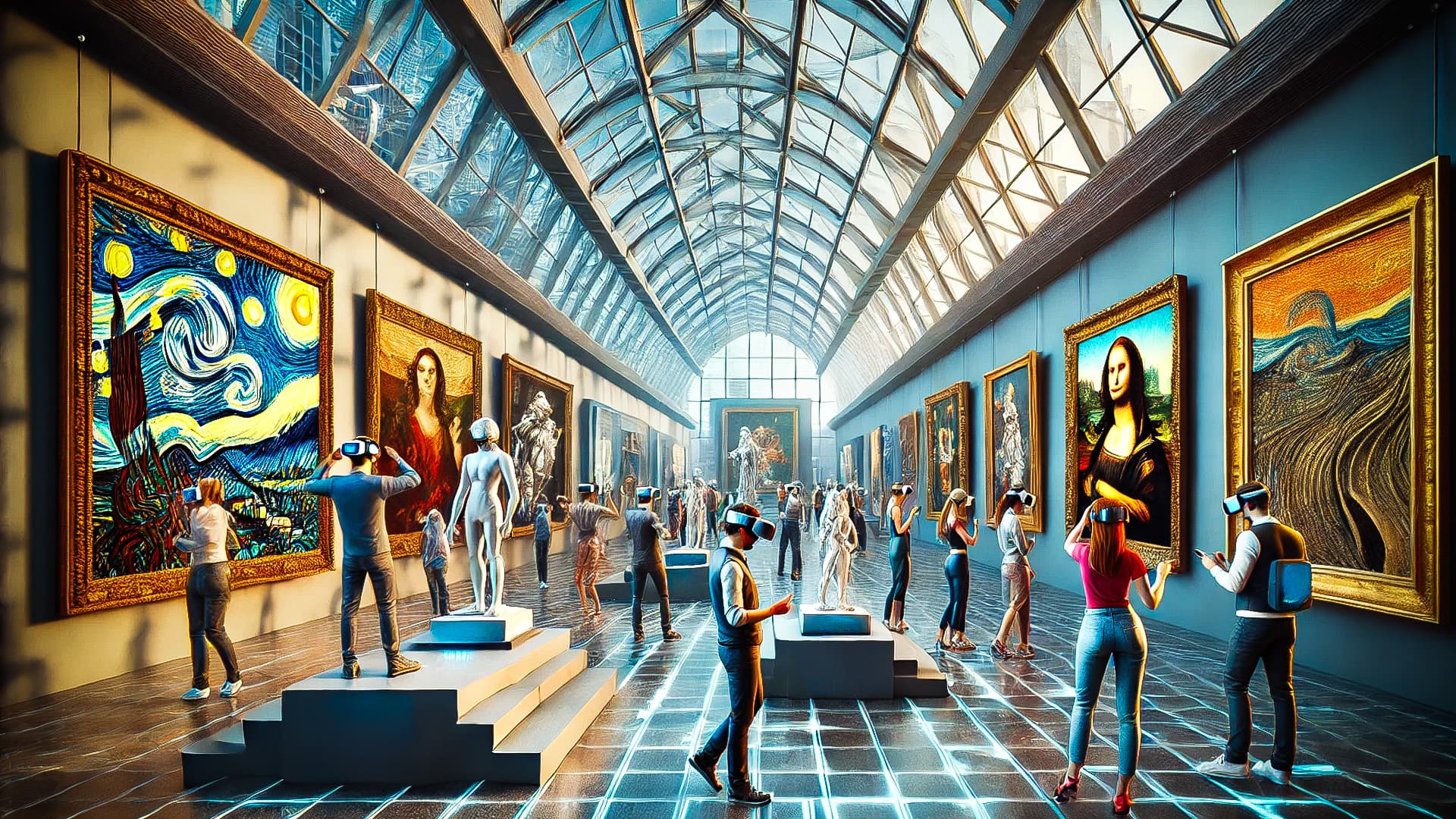
The fusion of technology and creativity has always driven artistic innovation. Today, virtual reality (VR) stands at the forefront of this intersection, opening new vistas for artists to explore. The immersive nature of VR allows artists to transcend traditional boundaries, creating experiences that are not just seen but felt. This sensory immersion is more than just a visual feast; it's a revolution in how art is conceived, produced, and consumed. By donning a headset, one can step into an entirely new world crafted by the artist's imagination'a world where the laws of physics bend and creativity knows no bounds.
The Intersection of Technology and Creativity
In the ever-evolving landscape of art, technology has always played a pivotal role. From the invention of the paintbrush to the advent of digital art, each technological leap has expanded the horizons of what is possible. VR is the latest and perhaps the most transformative tool in this lineage. It allows artists to craft spaces where creativity is limited only by the imagination. The intersection of VR and art is a dynamic space where the traditional meets the futuristic, resulting in a hybrid form that redefines both.
Why Virtual Reality is a Game-Changer for Artists
Virtual reality is not just another tool in the artist's kit; it is a game-changer. It offers a level of immersion that no other medium can match, allowing artists to create experiences that are wholly unique. VR shatters the limitations of physical space, enabling artists to create in dimensions that were previously unimaginable. Whether it's a 360-degree painting or a fully interactive sculpture, VR provides the canvas upon which modern artists can push the boundaries of their craft.
Historical Context: How Artists Have Embraced New Technologies Over Time
Throughout history, artists have been early adopters of new technologies, often leading the charge in exploring the creative potential of these innovations. The Renaissance saw the use of perspective to create more realistic paintings, while the 20th century brought the rise of digital art, where computers became both a tool and a medium. VR is the latest chapter in this ongoing narrative, offering artists a new realm to explore, one that is as limitless as the digital space itself. Like their predecessors, today's artists are pioneering the use of VR to expand the very definition of art.
Transforming Traditional Art Forms with VR
Virtual Reality as a New Canvas: Redefining Painting and Sculpture
Traditional art forms such as painting and sculpture have long been confined to physical mediums'canvas, marble, wood. VR offers a new kind of canvas, one that exists in the ether of digital space. Artists can now paint with pixels, sculpt with code, and create works that defy the constraints of the physical world. In this new medium, a painting is not a static image but a living, breathing entity that can surround the viewer, shifting and changing as they move through it. Sculptures are no longer confined to galleries but can be explored from within, offering new perspectives and experiences with each viewing.
Immersive Installations: Bringing Art to Life in 3D Spaces
Immersive installations have always sought to engage the viewer in a more profound way, but VR takes this engagement to a new level. In a VR installation, the artwork becomes a space that the viewer inhabits, not just observes. These 3D spaces are more than just visual experiences; they are fully interactive environments where every movement of the viewer contributes to the experience. The lines between observer and participant blur, creating a deeper connection between the artwork and its audience.
Blurring the Lines: Where Physical and Digital Art Meet
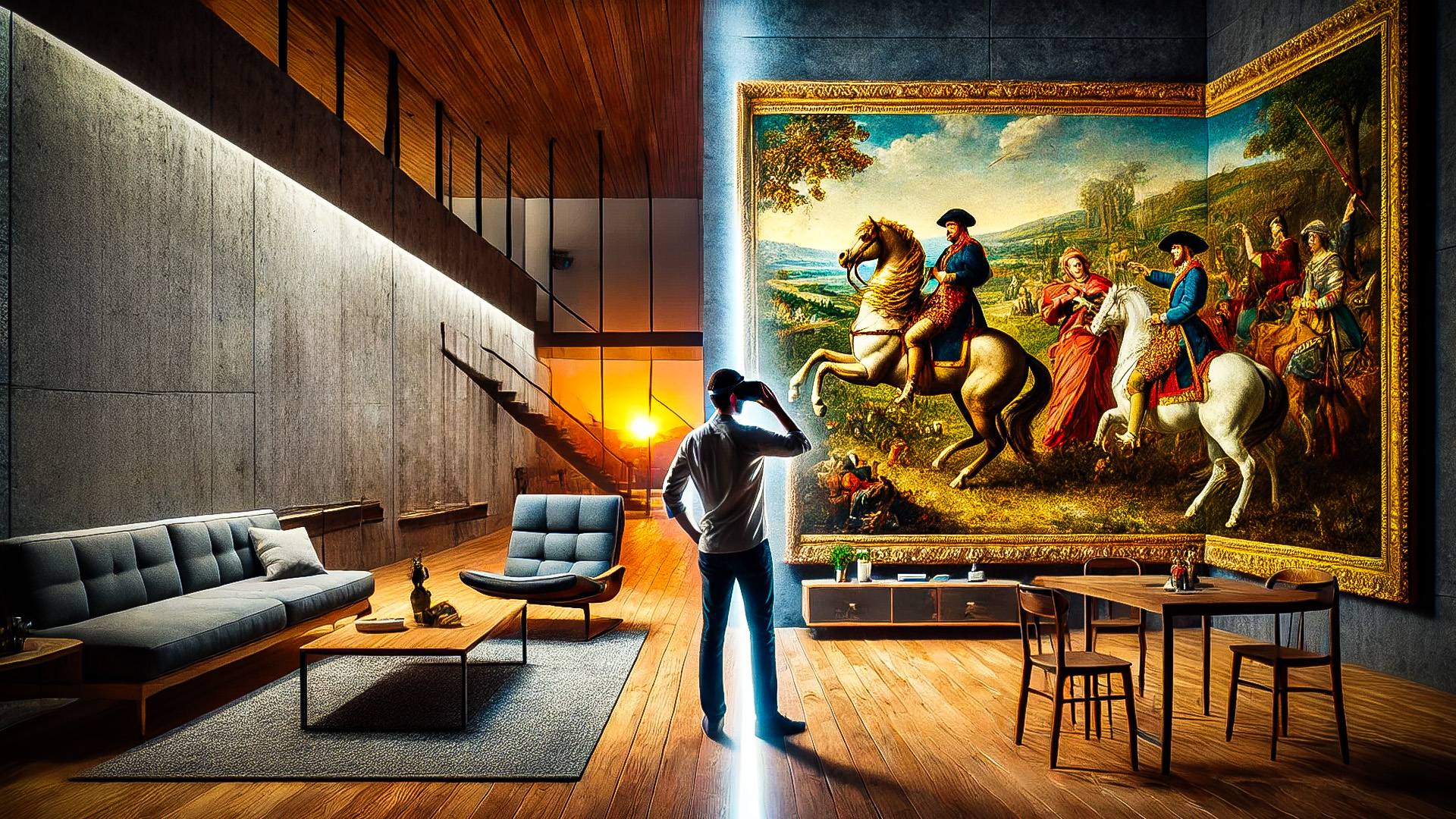
The advent of VR has brought about a fascinating convergence of physical and digital art. Artists are now creating works that exist simultaneously in both realms, blurring the lines between the tangible and the virtual. This hybrid approach allows for a new kind of interactivity, where physical sculptures can be augmented with digital elements, or virtual paintings can be experienced in physical spaces through augmented reality. The result is a seamless blend of the real and the imaginary, challenging traditional notions of what art can be.
Pioneering Artists in the VR Space
Visionaries Leading the VR Art Movement
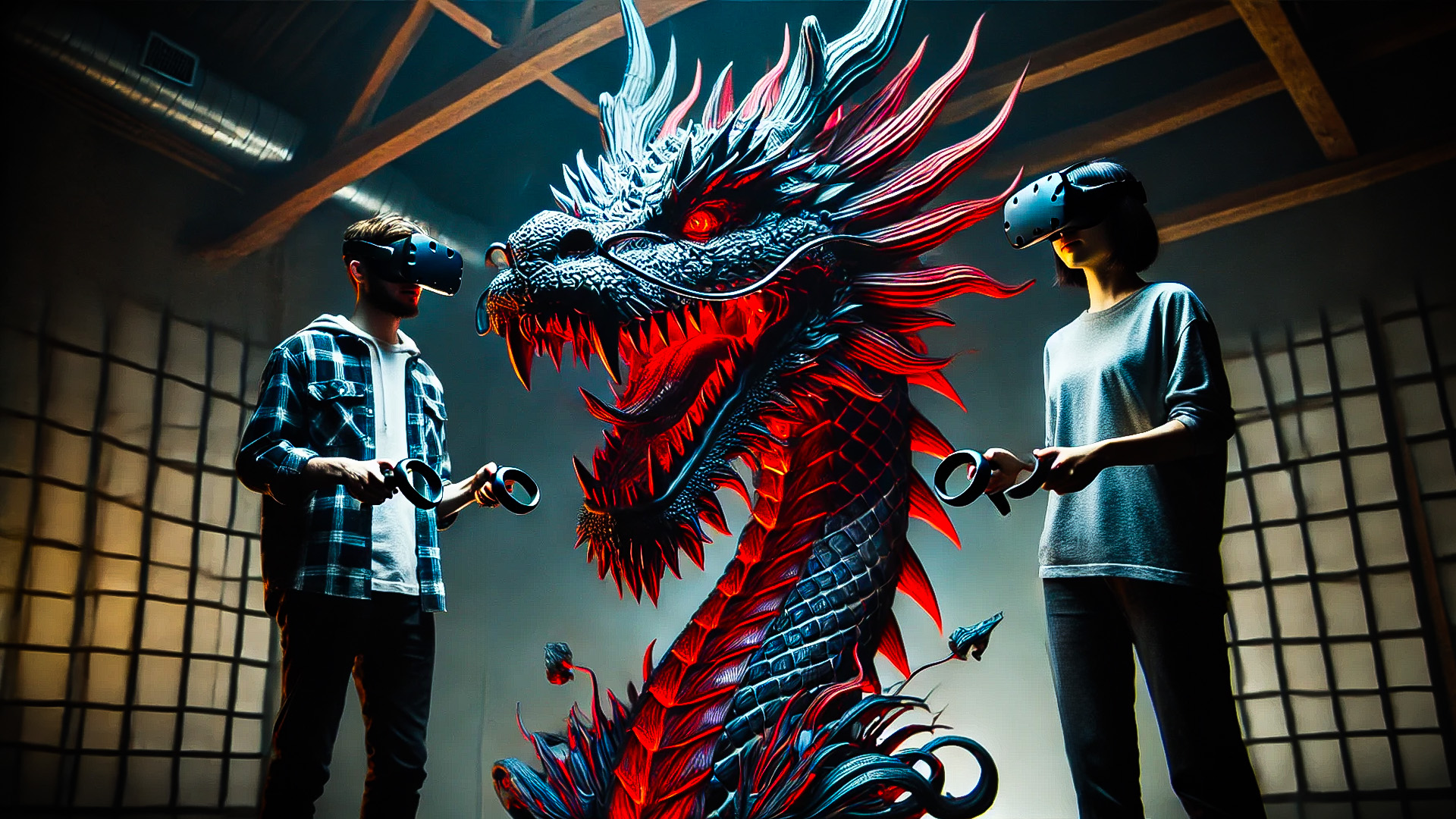
The rise of VR in art has been spearheaded by a group of pioneering artists who are exploring the medium's vast potential. These visionaries are not just creating art in VR; they are redefining the very concept of what art can be. Through their work, they are pushing the boundaries of creativity, experimenting with new forms and techniques that were previously unimaginable. Their contributions are not just expanding the field of art but are also laying the groundwork for future generations of artists to build upon.
Case Studies: Iconic VR Artworks and Exhibitions
Several VR artworks and exhibitions have already made a significant impact, serving as milestones in the evolution of this new art form. These case studies provide a glimpse into the diverse ways artists are using VR to create groundbreaking works. From immersive environments that transport viewers to otherworldly landscapes to interactive experiences that invite audience participation, these iconic pieces demonstrate the versatility and potential of VR as an artistic medium.
The Impact of VR Art on Traditional Art Institutions
As VR art gains traction, it is also beginning to influence traditional art institutions. Museums, galleries, and art schools are increasingly recognizing the significance of VR as a legitimate art form. This shift is prompting a re-evaluation of how art is exhibited, curated, and taught. Traditional institutions are adapting to this new reality, incorporating VR exhibitions into their programming and offering courses on VR art creation. The impact of VR on these institutions is profound, signaling a broader acceptance of digital and interactive art as integral components of the contemporary art landscape.
Interactive Experiences and Audience Engagement
Creating Immersive Narratives: How Artists Use VR to Tell Stories
One of the most compelling aspects of VR art is its ability to tell immersive stories. In a VR environment, the artist is not just a creator of visuals but a storyteller who guides the audience through a narrative experience. These stories can be deeply personal, abstract, or even fantastical, offering viewers an opportunity to lose themselves in a world crafted entirely by the artist. The immersive nature of VR allows for a level of engagement that traditional storytelling mediums cannot match, making the viewer an active participant in the narrative.
The Role of Interactivity: Turning Audiences into Participants
Interactivity is at the heart of VR art, transforming passive observers into active participants. In a VR experience, the audience is not merely viewing the art; they are interacting with it, shaping the experience through their actions and decisions. This level of interactivity creates a more intimate connection between the artwork and the audience, as each viewer's experience is unique. The role of interactivity in VR art is to break down the barriers between artist and audience, creating a collaborative experience that is both dynamic and personal.
Emotional Impact: How VR Art Resonates with Viewers
The emotional impact of VR art is unparalleled. The immersive nature of the medium allows for a deeper emotional connection between the artwork and the viewer. In a VR environment, the viewer is not just seeing the art; they are experiencing it on a visceral level. This immersion can evoke a wide range of emotions, from awe and wonder to introspection and empathy. The ability of VR art to resonate emotionally with viewers is one of its most powerful attributes, making it a transformative experience that lingers long after the headset is removed.
The Technical Side of VR Art Creation
Tools and Software: What Artists Need to Create in VR
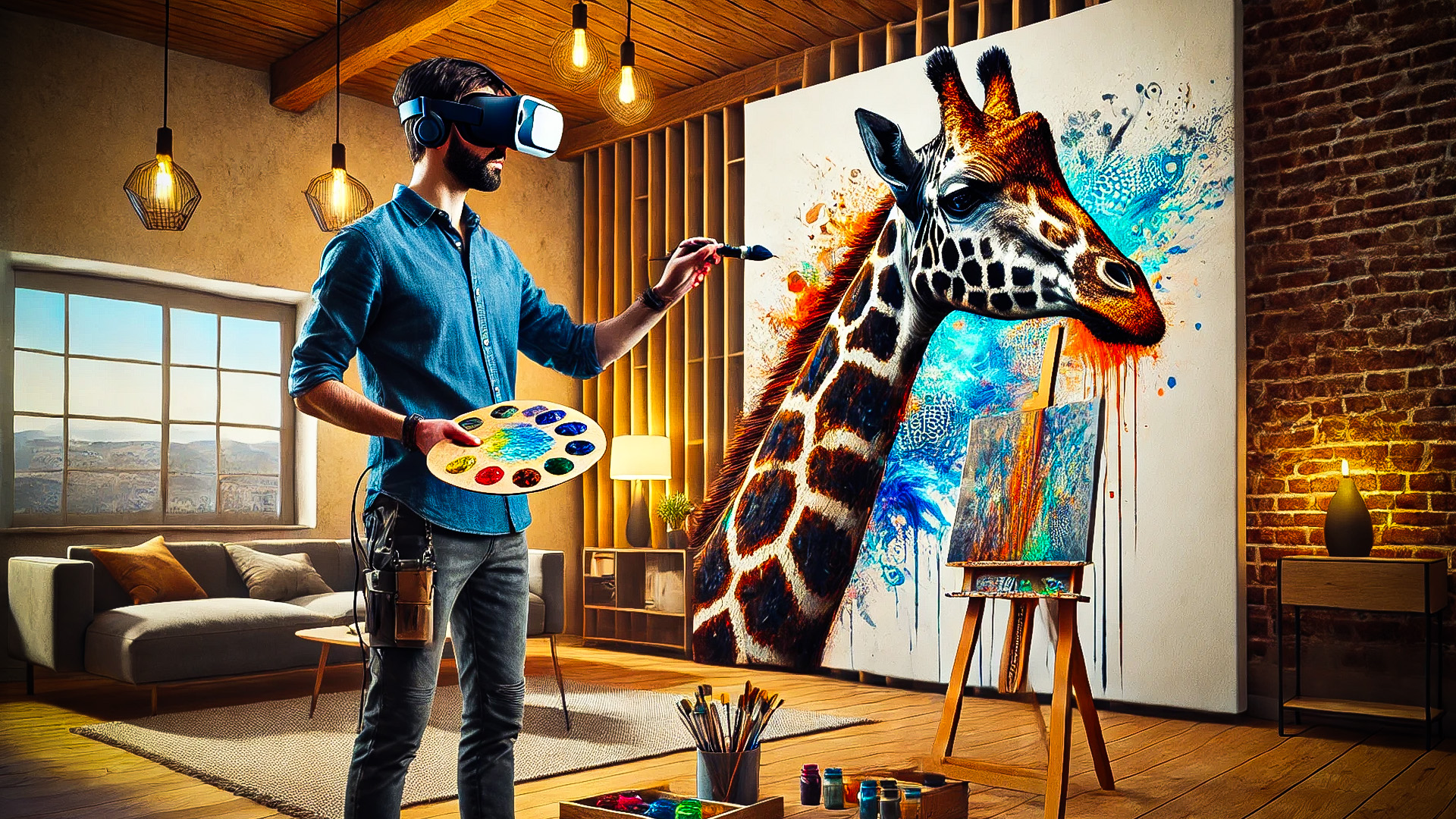
Creating art in VR requires a unique set of tools and software. Unlike traditional art forms, where the tools are physical objects, VR art is created using digital tools that exist within the virtual space. These tools include VR headsets, motion controllers, and specialized software that allows artists to paint, sculpt, and design in three dimensions. Software such as Tilt Brush, Medium, and Unity has become essential in the VR artist's toolkit, providing the platforms needed to bring their visions to life.
Overcoming Technical Challenges in VR Art
While VR offers incredible opportunities for artistic expression, it also presents unique technical challenges. These challenges include the need for powerful hardware to render high-quality visuals, the complexity of creating interactive elements, and the learning curve associated with mastering new software. Artists must also consider the limitations of current VR technology, such as resolution and field of view, which can impact the final artwork. Overcoming these challenges requires not only technical proficiency but also a willingness to experiment and push the boundaries of what is possible.
Collaboration and Innovation: How Artists and Technologists Work Together
The creation of VR art often involves collaboration between artists and technologists. This collaboration is crucial, as it combines the creative vision of the artist with the technical expertise needed to bring that vision to life. Artists work closely with programmers, designers, and engineers to develop the tools and platforms necessary for creating VR art. This partnership fosters innovation, as both artists and technologists push each other to explore new possibilities and overcome the limitations of the medium.
The Future of VR in Modern Art
Emerging Trends: What's Next for VR in Art
As VR technology continues to evolve, so too does its application in the art world. Emerging trends in VR art include the use of artificial intelligence to create generative art, the integration of augmented reality to blend physical and virtual spaces, and the development of fully immersive VR exhibitions that allow audiences to explore art in new and exciting ways. These trends point to a future where VR art becomes increasingly sophisticated and accessible, offering artists even more tools to express their creativity.
Expanding Accessibility: Making VR Art Available to a Wider Audience
One of the challenges facing VR art is accessibility. Currently, VR experiences are often limited to those who have access to the necessary equipment, such as headsets and high-performance computers. However, as VR technology becomes more affordable and widespread, the potential for VR art to reach a broader audience increases. Artists and institutions are exploring ways to make VR art more accessible, such as creating mobile VR experiences, developing web-based VR platforms, and offering VR art in public spaces.
Potential Impacts on the Art Market: How VR is Changing Art Collecting
The rise of VR art is also poised to impact the art market. As more artists create in the virtual space, the way art is bought, sold, and collected will inevitably change. VR art challenges traditional notions of ownership, as digital works can be easily replicated and shared. This has led to the exploration of new models for art collecting, such as blockchain technology and NFTs (non-fungible tokens), which offer a way to establish ownership and provenance for digital art. The integration of VR into the art market could revolutionize how we think about art ownership and value.
Ethical Considerations and Challenges
Ownership and Copyright in the Digital Realm
The creation and distribution of VR art raise important questions about ownership and copyright. In the digital realm, where works can be easily copied and shared, protecting the intellectual property of artists becomes more complex. This has led to discussions about how copyright laws should be adapted to the digital age, and what measures can be taken to ensure that artists retain control over their work. The issue of ownership in VR art is not just a legal matter but also a philosophical one, as it challenges traditional notions of what it means to own a piece of art.
The Environmental Impact of VR Art Creation
Another consideration in the creation of VR art is its environmental impact. The hardware required to create and experience VR art'such as computers, headsets, and servers'has a significant environmental footprint. This raises questions about the sustainability of VR as an art form and what steps can be taken to mitigate its impact. Artists and technologists are exploring ways to reduce the environmental costs of VR, such as using energy-efficient hardware, creating low-impact software, and considering the lifecycle of the materials used in VR production.
The Role of Curators and Critics in the VR Art World
As VR art continues to grow, so too does the need for curators and critics who can navigate this new landscape. The role of curators in the VR art world is to not only select and present works but also to contextualize them within the broader history of art. Critics, on the other hand, are tasked with evaluating VR art, offering insights and analysis that help audiences understand and appreciate the medium. The emergence of VR art has also prompted a reevaluation of the criteria used to judge art, as traditional metrics may not apply to this new form.
Recap of the Role of VR in Modern Art and Creativity
Virtual reality is reshaping the world of modern art, offering artists new tools and mediums to express their creativity. From immersive installations to interactive experiences, VR is expanding the boundaries of what art can be, allowing for a level of engagement and emotional resonance that is unparalleled. The role of VR in modern art is not just a continuation of past innovations but a radical departure that is redefining the very nature of artistic creation.
Final Thoughts: The Endless Possibilities of VR for Artists
The possibilities for VR in art are as limitless as the digital spaces it inhabits. As technology continues to evolve, so too will the ways in which artists use VR to explore new creative frontiers. Whether it's through the development of new tools, the exploration of new themes, or the creation of entirely new forms of art, VR offers a platform for boundless innovation. For artists, the future of VR is a canvas waiting to be filled with the strokes of imagination.
Encouraging Readers to Explore and Engage with VR Art
For those who have yet to experience VR art, there has never been a better time to dive in. Whether as a creator or a viewer, engaging with VR art offers a unique opportunity to explore new dimensions of creativity. The world of VR art is vast and ever-expanding, with new experiences and innovations emerging every day. By stepping into this world, you become part of a larger narrative'one that is shaping the future of art and creativity for generations to come.