

The Emergence of Digital Identity in the Metaverse
As we move further into the age of digital connectivity, the way we interact with the virtual world is undergoing a profound transformation. At the heart of this shift lies the concept of digital identity, an extension of our real selves into the immersive spaces of the metaverse. This growing digital frontier, defined by expansive virtual environments and communities, has given rise to avatars'our digital personas that serve as the primary medium of engagement. Avatars are not just images or representations; they are the embodiment of our virtual presence, allowing us to traverse this evolving digital landscape and interact in ways that reflect our identity, aspirations, and creativity. As the metaverse expands, the role of avatars becomes more central, shaping how we express ourselves, communicate, and even conduct business.
Avatars: The Digital Embodiment of the User
What Are Avatars? Understanding Their Purpose in Virtual Worlds
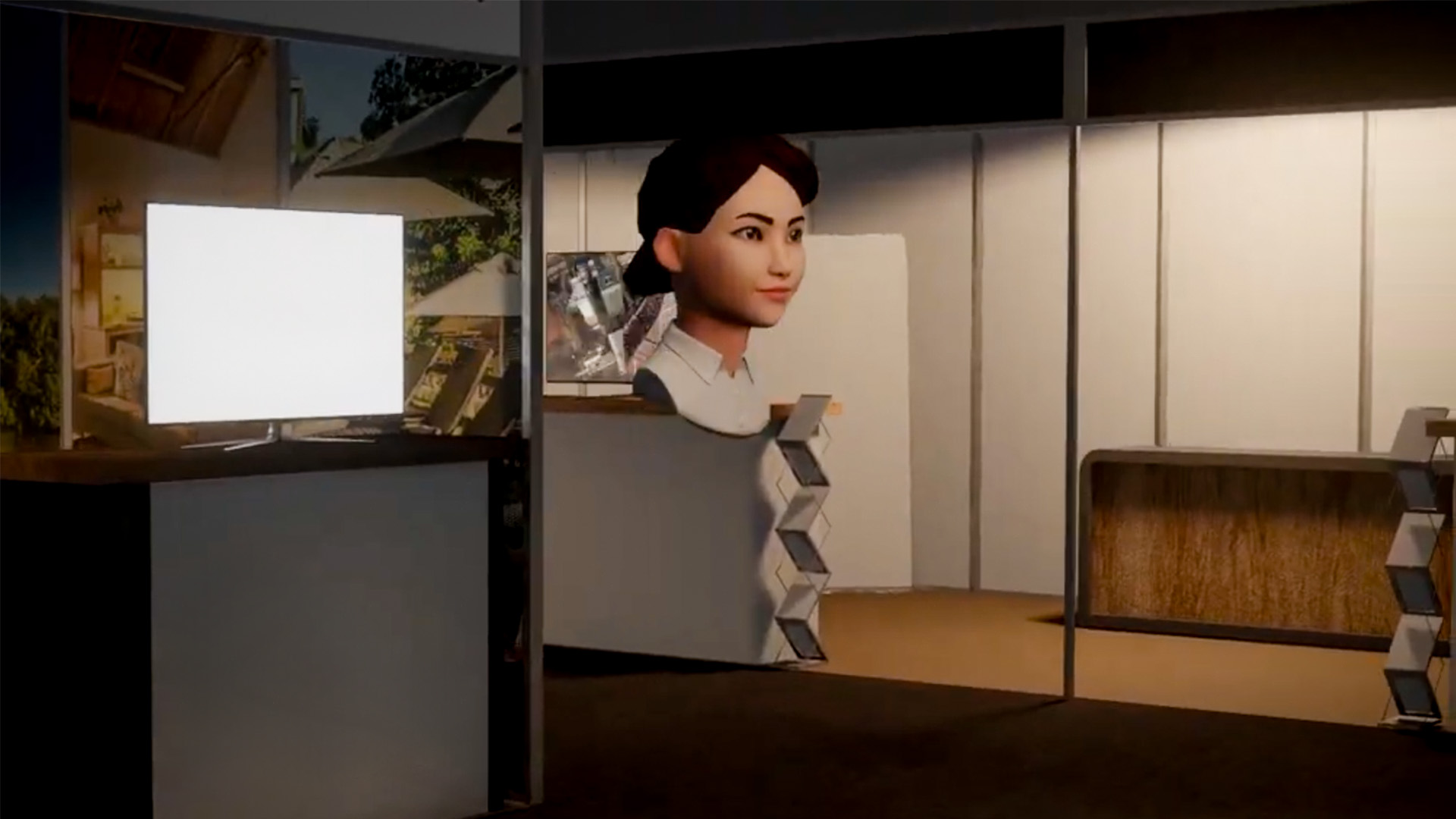
Avatars are much more than mere visual stand-ins for users. In virtual worlds, they serve as the bridge between the individual and the digital realm. They provide a way for users to interact with the environment, with other users, and with the complex systems that govern these virtual spaces. Avatars are customizable digital embodiments that represent the user's physical, emotional, and intellectual identity within the metaverse. Whether it's a humanoid form or an abstract creation, an avatar reflects the personality and preferences of the user, acting as their voice, their actions, and their overall presence in the virtual ecosystem.
The Evolution of Avatars: From Simple Icons to Fully Realized Beings
Avatars have come a long way since their inception as pixelated icons in early online games and chat rooms. Today, they are dynamic, fully realized entities that can mimic real-world movements, expressions, and interactions. With advances in motion capture and AI, avatars are now able to replicate complex human behaviors, bringing depth and authenticity to digital experiences. The evolution of avatars from basic 2D figures to fully customizable 3D representations mirrors the broader evolution of the internet itself'from static pages to interactive, immersive environments. In the metaverse, these avatars are no longer static symbols but fully realized beings that can walk, talk, express emotions, and even influence digital economies.
How Avatars Shape the User Experience in the Metaverse
Avatars fundamentally alter how users experience and navigate the metaverse. They serve as the lens through which individuals perceive the virtual world, acting as both the observer and the participant. The freedom to design and control an avatar adds a layer of personalization that deepens the user's connection to the environment. Whether it's through tailored interactions or the ability to participate in social, economic, or creative activities, avatars influence how users engage with the metaverse. In essence, avatars are a reflection of how we choose to present ourselves in this new digital society, shaping the very fabric of our experiences.

Customization and Personalization: Crafting Your Virtual Self
The Power of Choice: Designing Avatars to Reflect Personal Identity
One of the most compelling aspects of avatars is the vast scope of customization they offer. In the metaverse, users are not confined by the limitations of the physical world. Instead, they have the power to design their avatars in ways that reflect their ideal selves. This could mean recreating their physical appearance down to the smallest detail or adopting an entirely new persona, free from the constraints of reality. The choice is entirely in the hands of the user, enabling them to experiment with their digital identity in ways that are empowering and liberating.
Virtual Fashion and Accessories: Expressing Style in Digital Spaces
Just as fashion is a crucial aspect of identity in the physical world, so too is it in the metaverse. Avatars allow users to express their personal style through clothing, accessories, and even digital body modifications. Virtual fashion is not just a visual statement; it is an extension of personality and taste. From high-end digital couture to streetwear-inspired outfits, avatars can be dressed to reflect the user's mood, status, or social affiliations. Virtual fashion has become its own industry within the metaverse, where designers create exclusive items that users can purchase, trade, and wear, further blurring the lines between physical and digital style.
The Role of AI in Enhancing Avatar Realism and Interaction
Artificial intelligence plays a pivotal role in advancing the realism of avatars. With AI, avatars can react intelligently to their environment and other users, enhancing the sense of immersion. AI-driven avatars can mimic facial expressions, adjust body language based on social cues, and even learn from user behavior to improve interactions over time. This level of realism not only makes avatars more lifelike but also enhances the emotional and psychological connection users have with their digital selves. The future promises even greater sophistication, with AI enabling avatars to become more autonomous, acting and reacting in ways that are increasingly indistinguishable from human behavior.
Social Interaction in the Metaverse: Avatars as Extensions of Communication
Body Language and Gestures: Non-Verbal Communication in Virtual Worlds
In the metaverse, communication extends far beyond spoken or written words. Avatars are equipped to convey meaning through body language and gestures, allowing for non-verbal cues that enrich interaction. Whether it's a nod of agreement, a wave of greeting, or a shrug of uncertainty, these subtle movements enhance the realism of social exchanges. These non-verbal signals provide context to conversations, fostering a deeper sense of connection and understanding between users.
Building Relationships: How Avatars Foster Social Connectivity
Avatars are the conduits through which social relationships are formed and maintained in the metaverse. They facilitate interactions in virtual social spaces, enabling users to connect, collaborate, and build communities. Whether participating in virtual events, attending digital meetups, or exploring collaborative projects, avatars serve as the digital handshake that introduces individuals to one another. The anonymity of the avatar, paradoxically, often encourages more open and authentic interactions, allowing users to engage in meaningful social connections without the barriers of physical identity.
Group Dynamics: The Role of Avatars in Collaborative Spaces and Virtual Communities
In collaborative virtual spaces, avatars play an essential role in group dynamics. They serve as visual representations that enable users to identify and interact with one another in shared projects or community-driven activities. Avatars help establish roles and responsibilities within these digital environments, whether it's leading a virtual team, contributing to group creativity, or participating in large-scale virtual events. In this way, avatars contribute to the collective experience, facilitating cooperation and communication in ways that mirror'and sometimes even enhance'real-world group dynamics.
The Psychological Impact of Avatars: Identity and Self-Expression
Exploring Alternate Selves: How Avatars Encourage Experimentation with Identity
The metaverse offers users the unique opportunity to explore different facets of their identity through avatars. In this digital space, individuals are free to experiment with alternate selves'whether through changes in appearance, behavior, or even gender and ethnicity. This ability to try on different personas allows users to explore aspects of themselves that they might not feel comfortable expressing in the real world. Avatars thus become vehicles for self-discovery, providing a safe and imaginative space for users to experiment with identity in all its forms.
The Proteus Effect: How Avatar Appearance Influences Behavior
The Proteus Effect is a phenomenon where the appearance of an avatar influences the behavior of the user controlling it. For example, individuals who create avatars that are taller or more attractive than their real selves may behave more confidently in virtual interactions. This effect demonstrates the psychological power that avatars hold over users, as their digital representation can affect not only how others perceive them but also how they perceive themselves. As avatars become more integrated into our daily lives, the Proteus Effect will continue to shape how we interact in both virtual and real-world settings.
Emotional Connection: The Attachment to Digital Representations
Many users form deep emotional attachments to their avatars, seeing them as more than just digital constructs. These avatars become extensions of the self, embodying aspects of the user's identity, desires, and aspirations. This emotional connection is often strengthened through shared experiences in the metaverse, where avatars engage in meaningful activities, form relationships, and even participate in economic transactions. Over time, avatars become integral to how users perceive their own digital identity, making them central to the emotional and psychological experience of the metaverse.
Avatars and Commerce: The Business of Digital Identity
The Rise of Avatar-Based Economies in the Metaverse
As avatars gain prominence, they are becoming key players in the digital economy. Virtual goods, services, and even real estate are traded and sold within the metaverse, with avatars at the center of these transactions. Whether purchasing clothing, accessories, or even virtual homes, users invest in their avatars to enhance their digital lives. This avatar-driven economy has given rise to new markets, where brands and creators capitalize on the desire for personalization and status within virtual communities.
Digital Goods and Services: The Monetization of Virtual Identities
Avatars offer a lucrative avenue for the monetization of digital goods and services. From virtual fashion lines to personalized avatars, companies are creating a range of products that cater to users' desires to stand out in the metaverse. This commerce is not limited to aesthetics; users can also purchase services such as avatar customization, training, and even virtual companions that enhance the avatar experience. The monetization of virtual identities is a growing trend that signals the importance of avatars in the evolving digital economy.
Brands and Avatars: How Companies Are Tapping Into the Avatar Economy
Major brands have recognized the potential of avatars as a marketing tool. By creating branded content, fashion items, or experiences tailored to avatars, companies can engage directly with users in the metaverse. Brands like Nike, Gucci, and others are developing exclusive virtual products that avatars can wear or use, creating new revenue streams and marketing opportunities. As the metaverse expands, the avatar economy will continue to grow, offering brands innovative ways to connect with consumers.

The Future of Avatars: Where Digital Identities Are Headed
The Integration of Virtual and Physical Identities: Blurring the Lines
The line between virtual and physical identities is becoming increasingly blurred. With the advent of augmented reality (AR) and mixed-reality technologies, avatars may soon interact with the real world, creating a seamless integration of digital and physical personas. This convergence will allow users to switch between their virtual and real selves effortlessly, opening up new possibilities for self-expression, communication, and interaction.
Cross-Platform Avatars: Moving Seamlessly Between Metaverse Worlds
As the metaverse grows, users will expect their avatars to move seamlessly between different platforms. The future of avatars lies in their interoperability, where users can take their digital identities across various virtual worlds without losing their customization, status, or belongings. Cross-platform avatars will empower users to maintain continuity in their digital lives, regardless of which virtual environment they choose to explore.
Avatars as Digital Twins: A Look at Emerging Technologies in Virtual Identity
The concept of avatars as digital twins'exact virtual replicas of real-world individuals'is gaining traction. These avatars, powered by AI and real-time data, could mirror not only physical appearance but also behaviors, preferences, and even emotions. Digital twins hold the potential to revolutionize industries such as healthcare, education, and entertainment, providing personalized and dynamic virtual experiences that are deeply integrated with the real world.
The Expanding Role of Avatars in a Digital Future
As the metaverse continues to develop, avatars will play an increasingly central role in shaping how we interact with the digital world. These digital reflections of ourselves offer endless possibilities for self-expression, creativity, and connection. Whether enhancing social interactions, driving digital commerce, or exploring new dimensions of identity, avatars are the key to unlocking the full potential of the metaverse. The future promises even greater integration of our digital and physical lives, with avatars leading the way in this new era of human experience.

The Future Of Avatars Where Digital Identities Are Headed