

Virtual Reality (VR) is redefining the landscape of retail and e-commerce, ushering in a transformative era for how consumers engage with products and brands. By immersing users in simulated environments, VR transcends traditional shopping experiences, providing a more interactive and engaging way to explore and purchase goods. This technology represents a paradigm shift from conventional online shopping by creating an immersive virtual environment where users can experience products as if they were physically present. For retailers, this opens up a multitude of possibilities to captivate consumer interest, enhance brand engagement, and drive sales. Imagine walking through a virtual store from the comfort of your home, examining products up close, and interacting with them in a dynamic 3D space. This not only enriches the shopping journey but also helps in addressing common online shopping challenges such as product visualization and fit, offering a more tactile and immersive experience that bridges the gap between physical and digital retail.
Understanding Virtual Reality (VR) Technology
What is Virtual Reality?
Virtual Reality (VR) is an advanced technology that involves the creation of a computer-generated environment designed to simulate real-world or fantastical settings. Using specialized VR headsets and sensory equipment, users can immerse themselves in a 3D space that feels as tangible as the physical world. Unlike Augmented Reality (AR), which enhances the real world by overlaying digital information onto it, VR creates a completely artificial space where users can interact with virtual objects and environments. This all-encompassing simulation provides a sense of presence and immersion that allows users to engage with the digital world in a profoundly intuitive way.
Key Components of VR Systems
A VR system is composed of several critical components that work in concert to deliver a coherent and immersive experience. These components include:
How VR Works in a Retail Context
In the realm of retail, VR technology offers shoppers a unique and interactive way to explore virtual stores and try on products in a simulated environment. Shoppers can navigate through virtual aisles, inspect products from various angles, and interact with product features as if they were physically present in a store. This immersive shopping experience not only improves product visualization and reduces uncertainties associated with online shopping but also bridges the gap between physical and digital retail environments. By offering a more engaging and comprehensive shopping experience, VR helps retailers attract and retain customers, driving sales and fostering a deeper connection with their brand.
The Evolution of Retail and E-commerce Through VR
From Traditional Shopping to VR Experiences
The evolution from traditional shopping to VR experiences represents a significant shift in consumer behavior. Historically, retail was constrained by physical store limitations, but VR opens up endless possibilities. Shoppers can now engage with brands in virtual spaces that mimic or even surpass the physical store experience, offering a new dimension of convenience and interaction.
The Growing Role of VR in E-commerce Platforms
As e-commerce continues to grow, VR is becoming an integral component of online shopping platforms. By integrating VR, e-commerce sites can offer virtual showrooms, interactive product demonstrations, and enhanced customer service experiences. This technology not only enhances user engagement but also drives sales by providing a more compelling and informative shopping experience.
Case Studies: Successful VR Implementations in Retail
Several retailers have successfully adopted VR technology to revolutionize their customer interactions:
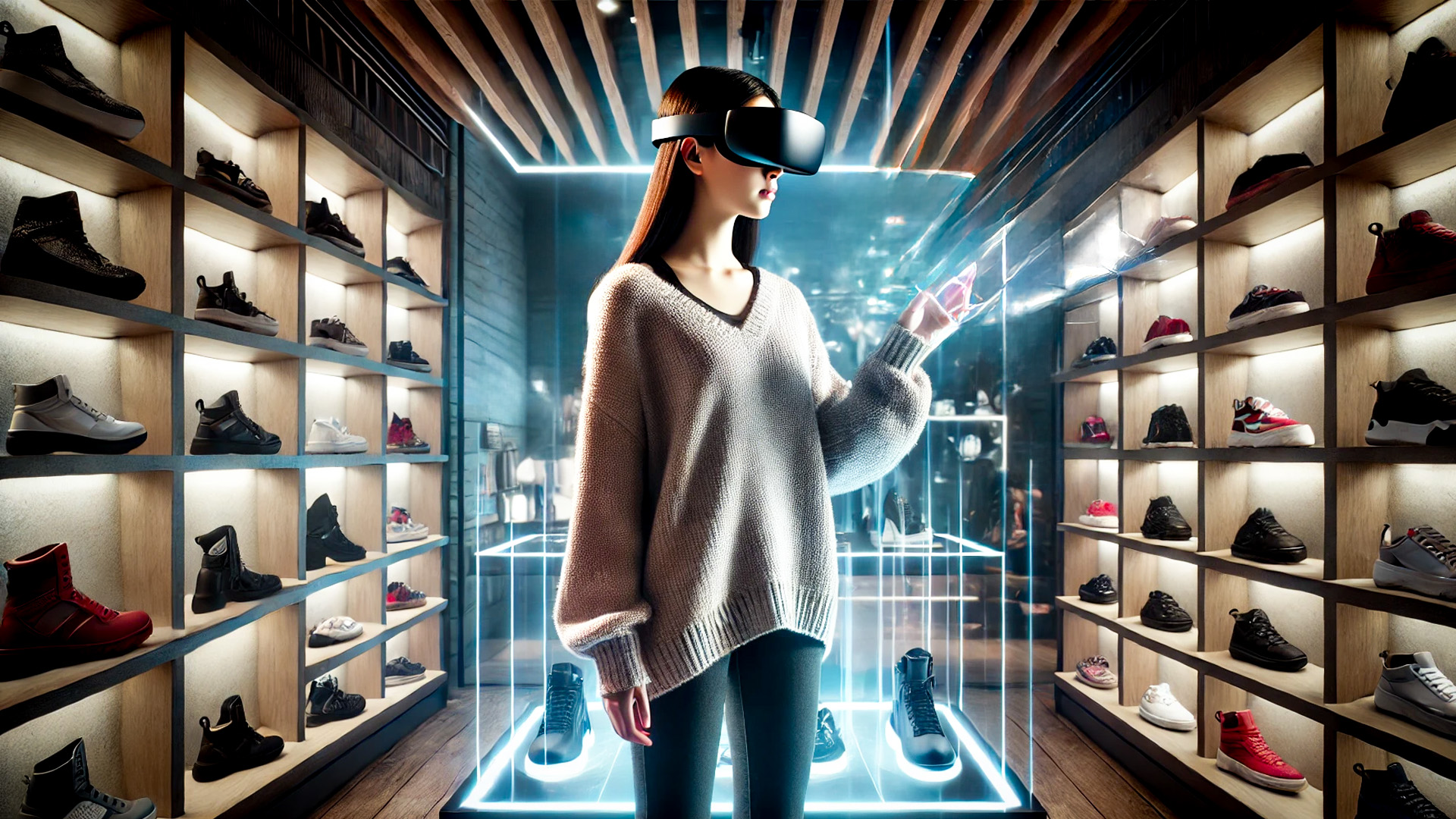
Enhanced Shopping Experiences with VR
Immersive Product Demos and Virtual Try-Ons
Virtual Reality (VR) technology revolutionizes the way product demonstrations are conducted by providing highly immersive experiences. Shoppers can interact with products in a virtual environment that mirrors real-world scenarios, such as trying on clothing or testing gadgets. For instance, virtual try-ons allow users to see how clothing fits and looks on them without physically trying it on, using VR avatars or augmented body scanning. This approach not only enhances the accuracy of product fit and style but also reduces the need for physical samples, making the shopping process more efficient and environmentally friendly. Similarly, virtual demos of gadgets enable users to test functionalities and visualize how products work in simulated settings, providing a deeper understanding of the item's features. This interactive and immersive approach helps consumers make more informed purchasing decisions, boosting their confidence in their choices and enhancing overall satisfaction with the shopping experience.
Virtual Store Tours: A New Way to Browse
Virtual store tours introduce a fresh and innovative method for customers to browse products from the comfort of their homes. These tours replicate the in-store experience by allowing users to explore virtual aisles and interact with product displays as if they were physically present in a retail space. Users can navigate through different sections of a store, examine products up close, and view detailed information about items. Additionally, some virtual store tours feature interactive elements like virtual sales representatives or chatbots that can answer questions and provide assistance in real-time. This level of immersion not only offers a convenient and engaging shopping experience but also helps retailers reach a broader audience by eliminating geographical and physical barriers. By creating a more lifelike and interactive shopping environment, virtual store tours enhance customer engagement and satisfaction.
Personalized Shopping Experiences through VR
Personalization is one of the standout benefits of integrating VR technology into retail. Through VR, retailers can create tailored shopping experiences based on individual preferences and behaviors. As users interact with the virtual environment, data about their preferences, browsing habits, and purchasing history can be collected and analyzed. This allows retailers to offer customized product recommendations, targeted promotions, and personalized marketing messages. For example, if a user frequently explores certain types of products or shows interest in specific brands, the VR system can highlight relevant items and special offers that match their interests. This level of personalization enhances the shopping experience by making it more relevant and engaging for each individual. Moreover, personalized VR experiences can increase customer loyalty and drive repeat business by ensuring that users receive tailored content that resonates with their specific needs and preferences.
Increasing Customer Engagement and Sales
How VR Drives Consumer Engagement
Virtual Reality (VR) technology plays a pivotal role in enhancing consumer engagement by providing interactive and immersive experiences that captivate users. When shoppers interact with VR content, they are more likely to spend extended periods exploring products and engaging with brands. This immersive engagement occurs because VR offers a sense of presence and realism that traditional shopping methods lack. For instance, consumers can virtually try on clothing, interact with product features, or experience a product's environment, making the shopping process more engaging and enjoyable. This deeper level of interaction often leads to increased brand interaction and a stronger emotional connection with the product. As a result, heightened engagement fosters greater customer loyalty and encourages repeat business, as customers are more likely to return to a brand that offers an innovative and enjoyable shopping experience. By creating memorable and impactful interactions, VR helps brands stand out in a competitive market and build lasting relationships with their customers.
VR's Impact on Sales and Conversion Rates
Evaluating the return on investment (ROI) for VR technology in retail requires assessing its impact on key performance metrics such as sales and conversion rates. Retailers can measure the effectiveness of their VR initiatives by analyzing various indicators, including increased website traffic, higher levels of customer engagement, and improved conversion rates. For example, tracking how VR experiences drive traffic to a retailer's website or physical store, and measuring how these experiences convert into actual sales, provides valuable insights into the effectiveness of VR campaigns. Case studies have demonstrated that VR can lead to significant sales growth and enhanced customer satisfaction by providing unique and memorable shopping experiences. By comparing these metrics before and after implementing VR, retailers can gauge the impact of their VR investments and determine the overall success of their strategies.
VR's Influence on Shopping Preferences
Customer feedback is essential for assessing the effectiveness of VR technology in retail and understanding its influence on shopping preferences and behaviors. By collecting and analyzing feedback from users who have experienced VR shopping, retailers can gain valuable insights into how VR affects customer perceptions and choices. This feedback helps identify strengths and areas for improvement in VR implementations, enabling retailers to refine their strategies and enhance the overall customer experience. For example, customers might provide input on the usability of VR interfaces, the realism of virtual product demonstrations, or the effectiveness of personalized recommendations. By addressing these insights, retailers can optimize their VR offerings to better meet customer needs and preferences, ultimately leading to a more satisfying and successful shopping experience. Understanding customer feedback ensures that VR technology continues to evolve in ways that resonate with users and drive positive outcomes for retailers.
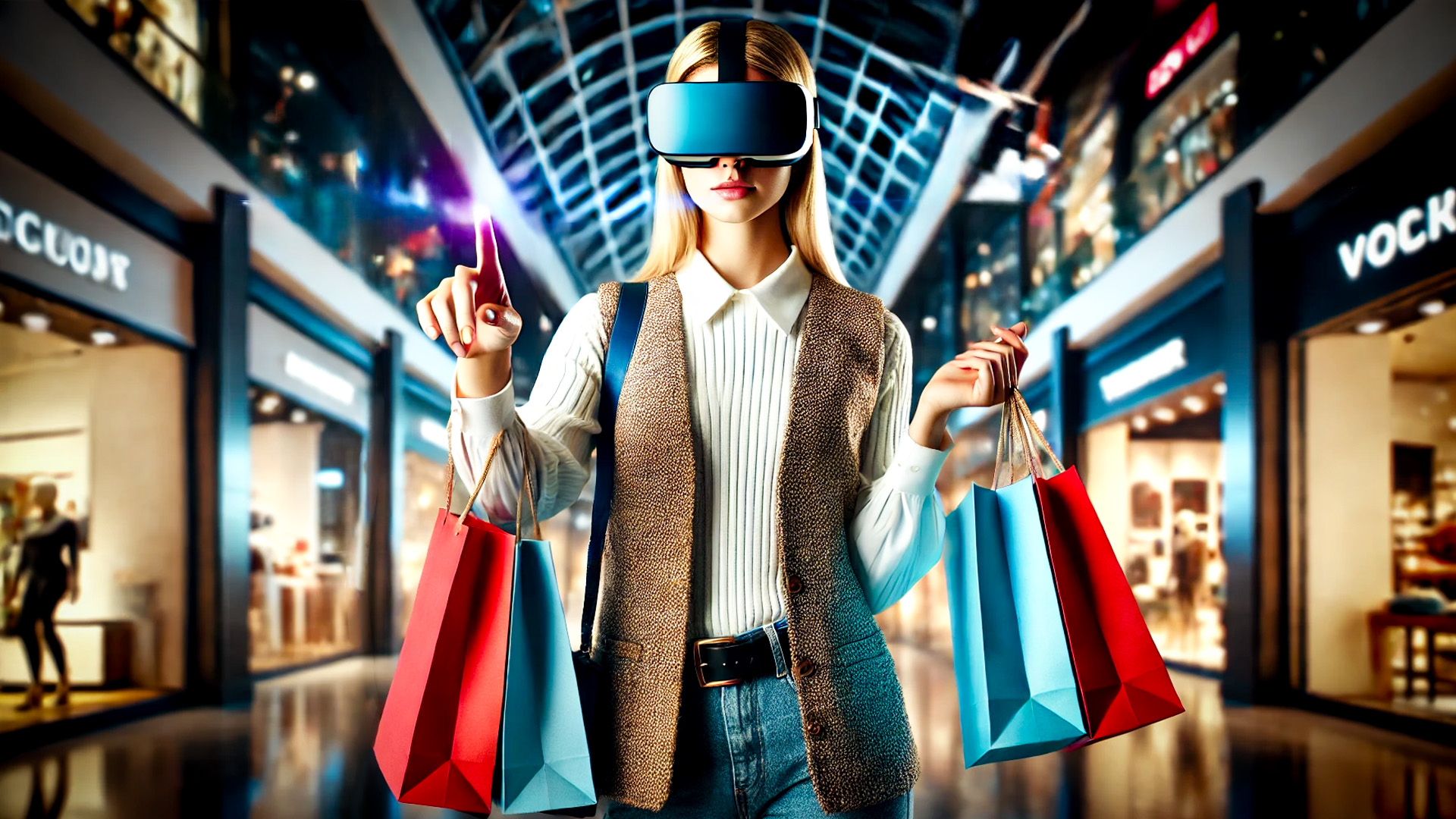
Challenges and Considerations for VR in Retail
Technical and Financial Barriers to Adoption
Adopting Virtual Reality (VR) technology in retail presents a range of technical and financial challenges. On the financial front, high-quality VR systems require significant investment in both hardware and software. High-end VR headsets, motion controllers, tracking sensors, and powerful computers represent substantial upfront costs. Additionally, developing or acquiring the software needed to create immersive and interactive VR experiences adds to the financial burden. This investment can be particularly daunting for smaller retailers or those with limited budgets.
On the technical side, integrating VR into existing retail infrastructures involves overcoming several complexities. Retailers need to ensure that VR systems are compatible with their current technology and workflows. This integration often requires specialized expertise, including software developers, VR designers, and IT professionals, to ensure that the VR environment functions seamlessly with existing systems. Furthermore, ongoing maintenance and updates are necessary to keep the VR systems up-to-date and functioning correctly. Addressing these technical and financial barriers is crucial for retailers considering VR adoption, as it involves careful planning and resource allocation to achieve successful implementation.
Ensuring Accessibility and User Experience
For VR technology to be effective in retail, it must be designed with accessibility and user experience in mind. Ensuring that VR experiences are user-friendly and inclusive is essential for reaching a broad audience. Retailers must consider various factors, such as the ease of use of VR interfaces and the accommodation of different levels of tech-savviness. This includes designing intuitive navigation controls and providing clear instructions to help users interact with the VR environment effectively.
Moreover, VR solutions should be accessible to individuals with different physical abilities. This may involve incorporating features such as adjustable settings for users with limited mobility or ensuring compatibility with assistive technologies. A seamless and inclusive user experience is crucial for maximizing the benefits of VR in retail. By creating VR experiences that are easy to use and accessible to all, retailers can enhance customer satisfaction and ensure that their VR initiatives are effective and engaging for a diverse audience.
Privacy and Security Concerns with VR Shopping
As with any technology that collects and processes user data, VR shopping raises important privacy and security concerns. Retailers must implement robust measures to protect customer information and ensure that VR experiences adhere to data protection regulations. This includes securing user data from unauthorized access, implementing encryption protocols, and complying with privacy laws such as the General Data Protection Regulation (GDPR) or the California Consumer Privacy Act (CCPA).
Addressing privacy and security concerns is essential for building and maintaining customer trust. Retailers must be transparent about how user data is collected, stored, and used, and provide clear privacy policies that outline these practices. Ensuring that VR experiences are secure and compliant with data protection standards not only safeguards customer information but also helps maintain a positive brand image. By prioritizing privacy and security, retailers can foster a trustworthy and reliable environment for VR shopping, ultimately enhancing the overall customer experience.
Future Trends and Innovations in VR Retail
Emerging VR Technologies and Their Potential
The future of Virtual Reality (VR) in retail is set to be defined by a series of exciting technological advancements. As VR technology continues to evolve, several emerging technologies promise to further enhance the immersive experience for users. For example, next-generation VR headsets are anticipated to offer higher resolution displays, wider fields of view, and improved ergonomics, making the virtual experience more lifelike and comfortable. Enhanced motion tracking systems will provide even greater accuracy in capturing user movements, allowing for more precise and realistic interactions within the virtual environment.
In addition, innovations in haptic feedback technology are expected to play a significant role in advancing VR experiences. Haptic feedback devices can simulate the sense of touch, enabling users to feel virtual textures and sensations, which adds a new layer of immersion. This could dramatically improve the way consumers experience products in VR, making virtual interactions feel more tangible and engaging. Furthermore, the integration of AI with VR is poised to revolutionize the retail landscape. AI can analyze user behavior and preferences in real-time, providing more personalized and adaptive VR experiences. Together, these emerging technologies will drive the evolution of VR in retail, making it an increasingly integral part of the shopping experience.
The Role of AI and Data Analytics in VR Shopping
Artificial Intelligence (AI) and data analytics are set to revolutionize the VR shopping experience by offering deeper insights into consumer behavior and preferences. AI-driven algorithms have the potential to transform VR shopping by delivering highly personalized recommendations based on individual user data. For instance, AI can analyze a shopper's past interactions, browsing history, and purchase patterns to suggest products that align with their tastes and needs, thereby enhancing the overall shopping experience.
Data analytics will also play a crucial role in optimizing VR retail strategies. By tracking and analyzing performance metrics such as user engagement, interaction patterns, and conversion rates, retailers can gain valuable insights into the effectiveness of their VR initiatives. This data-driven approach allows retailers to refine their VR strategies, making adjustments to improve user experiences and drive better outcomes. For example, data analytics can identify which virtual environments or features are most popular with users, enabling retailers to focus on what resonates best with their audience.
The Future of VR in Retail and E-commerce
As we look to the future, Virtual Reality (VR) is expected to become a mainstream element of retail and e-commerce, significantly transforming how consumers shop and interact with brands. Predictions suggest that major retailers will increasingly adopt VR technology to enhance their shopping experiences, offering consumers innovative ways to explore products and make purchases. The integration of VR with Augmented Reality (AR) technologies is also anticipated to grow, creating hybrid experiences that blend virtual and real-world elements for a more dynamic shopping experience.
Additionally, the development of more immersive and interactive VR shopping environments will continue to advance. Retailers are likely to experiment with new VR formats, such as virtual pop-up stores, branded virtual worlds, and interactive product demonstrations, to engage consumers in novel ways. As VR technology becomes more sophisticated and accessible, it will play a crucial role in shaping the future of retail and e-commerce, offering consumers unprecedented levels of interactivity and personalization in their shopping journeys.
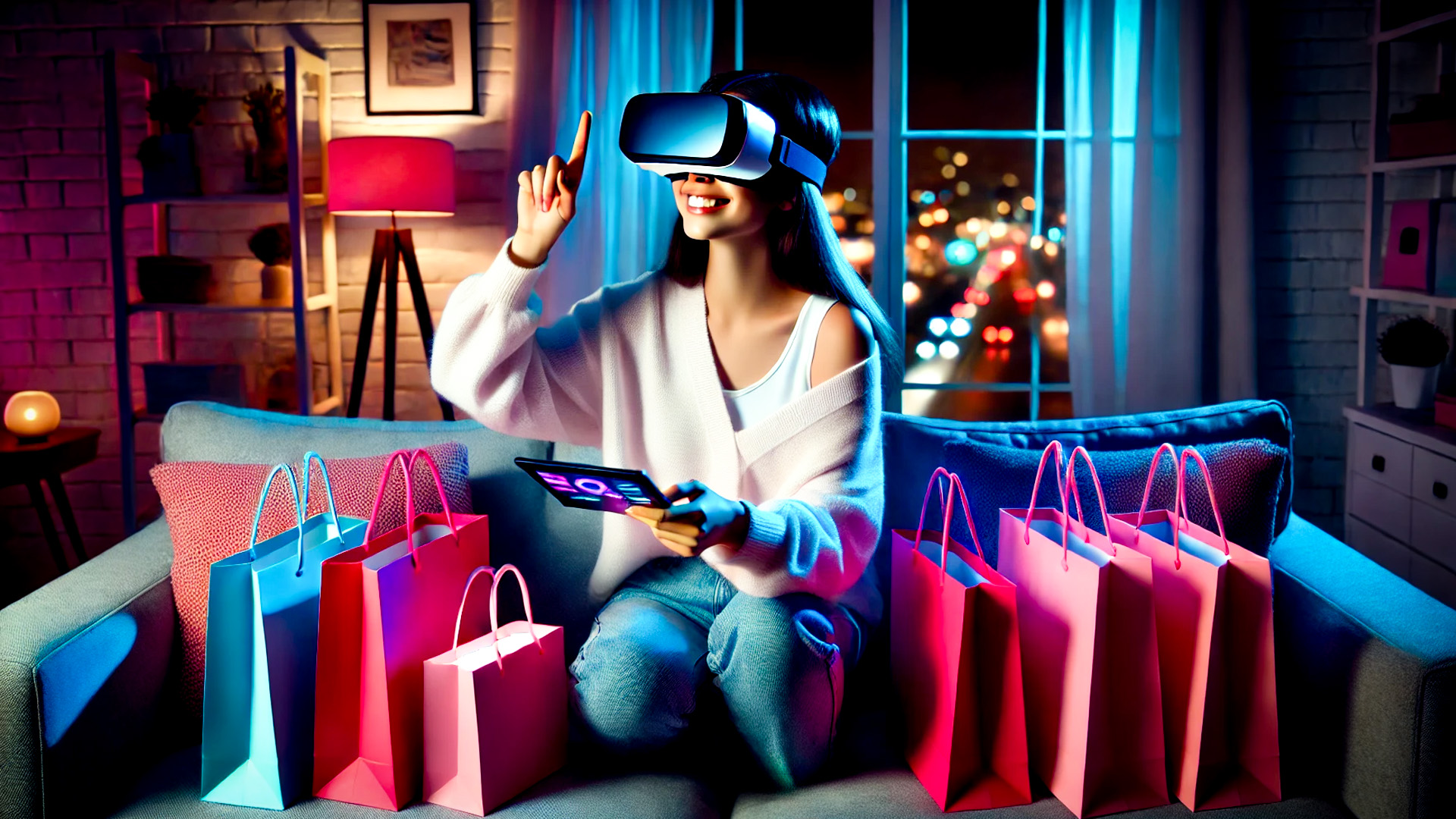
Embracing the Future of VR in Shopping
Virtual Reality (VR) is significantly reshaping the landscape of retail and e-commerce by offering immersive and interactive shopping experiences that were previously unattainable. VR technology enhances product demonstrations, allowing consumers to virtually try on clothing, test out gadgets, and explore products in a simulated environment. This level of interactivity not only makes the shopping experience more engaging but also helps bridge the gap between online and physical retail, potentially leading to higher customer satisfaction and loyalty. Additionally, VR increases consumer engagement by providing a more compelling way to interact with brands, which can drive increased sales and repeat business. Despite the challenges associated with high costs and technical integration, the benefits of VR in creating dynamic and innovative retail environments are substantial. As VR technology advances, it offers new opportunities for retailers to connect with consumers in meaningful ways.
Strategic Steps for Integrating VR into Retail and E-commerce
For businesses looking to integrate VR into their retail and e-commerce strategies effectively, several strategic steps are essential:
The Next Steps for Businesses
As VR technology continues to advance, retailers and e-commerce businesses must remain agile and forward-thinking to stay competitive. Embracing VR provides a significant opportunity to differentiate your brand in a rapidly evolving digital landscape. By investing in VR and adapting to emerging trends, businesses can create engaging and memorable shopping experiences that resonate with today's tech-savvy consumers. As you move forward, focus on innovation and continuous improvement to leverage the full potential of VR and drive growth in your retail and e-commerce operations.

Embracing The Future Of Vr In Shopping