

Defining the Metaverse and Its Growing Influence on Work
The metaverse, a term once relegated to science fiction, is rapidly becoming a palpable reality that extends beyond gaming and entertainment into the professional world. At its core, the metaverse represents a digital universe of interconnected, immersive virtual environments where individuals can interact, work, socialize, and conduct business. This convergence of physical and digital spaces is poised to redefine traditional workplace settings and usher in a new era of professional collaboration.
As the metaverse grows, it challenges long-standing assumptions about work'especially the need for a physical office. Virtual reality (VR) and augmented reality (AR) technologies now make it possible to create office spaces that are not constrained by geography or material constraints. These innovations allow for seamless interactions, where employees can meet in virtual offices, brainstorm in 3D environments, and communicate as if they were in the same physical space.
The Evolution of Remote Work and Digital Collaboration
Remote work was once a novel concept, with companies offering it as a perk rather than a necessity. However, the COVID-19 pandemic accelerated its adoption on an unprecedented scale. What began as a temporary solution has now become a permanent fixture of the modern workplace. Digital collaboration tools'such as Zoom, Slack, and Microsoft Teams'played a crucial role in enabling employees to work from home effectively. Yet, while these tools bridged gaps in communication, they still lacked the sense of presence that comes from physically sharing a space.
This is where the metaverse steps in. It offers a more immersive alternative to current remote work practices by replicating the spatial dynamics of an office and enhancing the sense of togetherness. Through virtual offices and real-time collaboration spaces, the metaverse stands to evolve remote work into a more interactive, productive, and engaging experience.
How Virtual Reality and Augmented Reality Are Shaping the Future of Work
VR and AR technologies are the engines powering the metaverse. Virtual reality immerses users in fully synthetic environments, enabling them to interact with digital objects and other avatars as though they were in the same physical location. Augmented reality, on the other hand, superimposes digital information onto the physical world, enriching real-time collaboration by overlaying data, designs, or projections onto tangible surroundings.
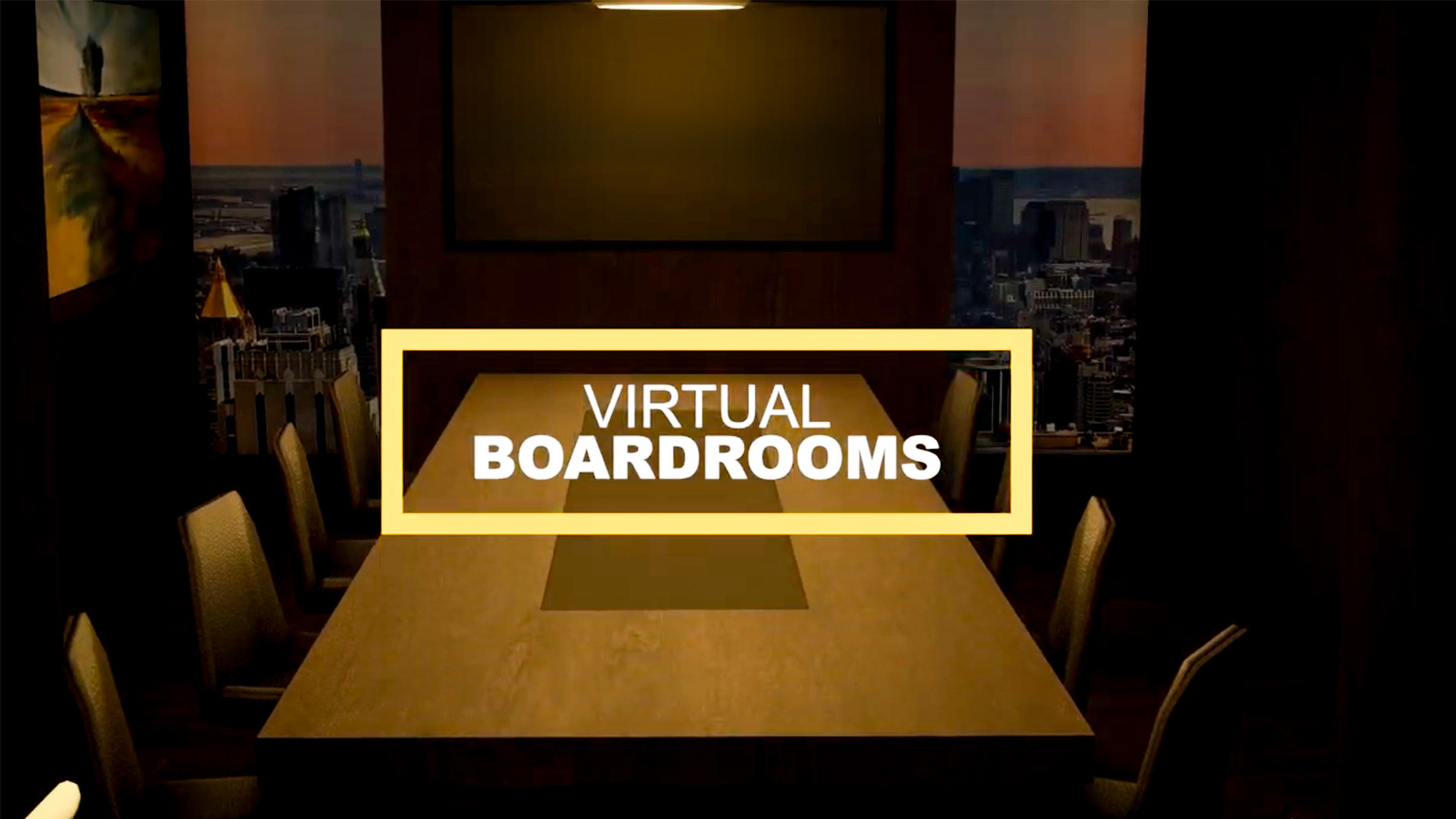
In the context of work, these technologies create limitless possibilities. Imagine attending a meeting where everyone is a 3D avatar, seated around a virtual conference table, with real-time data projected onto screens. Or consider using AR to collaborate on a design project, manipulating 3D models in mid-air while discussing ideas with colleagues across the globe. These scenarios, once far-fetched, are becoming increasingly attainable as VR and AR technologies mature, promising to reshape the way we work, communicate, and innovate.

Virtual Offices: A New Era of Workplace Environments
What Are Virtual Offices in the Metaverse?
A virtual office in the metaverse is not merely a 3D replica of a physical workspace but an entirely new type of digital environment where work and collaboration happen in a dynamic, immersive setting. Unlike traditional office spaces that rely on desks, conference rooms, and cubicles, virtual offices are customizable, multi-dimensional environments designed to facilitate every aspect of work. These virtual workspaces are accessible from anywhere in the world, enabling teams to gather, communicate, and collaborate in ways that are impossible in physical offices.
In these virtual environments, employees appear as avatars, interacting with both their surroundings and each other in real-time. Virtual whiteboards replace physical ones, data dashboards float in mid-air, and presentations are no longer limited to 2D slideshows'they can be fully interactive, three-dimensional experiences.
How Virtual Offices Enhance Traditional Remote Work Models
While traditional remote work relies on a suite of software tools to enable collaboration, it often feels disjointed. Team members hop between Zoom for video calls, Slack for messaging, and Google Docs for document sharing. Each tool performs a specific function, but none recreate the organic, spontaneous interactions that occur in a physical office.
Virtual offices offer a more unified approach by merging all these tools into a single immersive space. In a virtual office, you can walk over to a colleague's desk for a quick conversation, host a team meeting in a conference room, or brainstorm together on a shared virtual whiteboard. These interactions mimic the natural flow of a physical workspace, bridging the gap between remote and in-person collaboration. Additionally, virtual offices remove the constraints of time zones, allowing employees to drop in and work together asynchronously.
Benefits of Virtual Offices for Businesses and Employees
The benefits of virtual offices extend beyond mere convenience. For businesses, virtual offices offer cost savings on overhead expenses such as rent, utilities, and office supplies. They also provide a solution for companies seeking to expand globally without needing to establish physical offices in multiple locations.
For employees, the flexibility of virtual offices means they can work from anywhere while still feeling connected to their colleagues. Virtual offices promote work-life balance by reducing commute times and allowing for more autonomy in daily schedules. The immersive nature of virtual environments enhances engagement, productivity, and creativity, providing employees with a sense of belonging even when working remotely.
Revolutionizing Remote Collaboration in the Metaverse
Breaking Down Geographical Barriers with Virtual Spaces
One of the most transformative aspects of the metaverse is its ability to dissolve geographical barriers. In traditional workplaces, distance can limit collaboration, making it difficult for teams spread across different time zones or continents to work together effectively. While remote work tools have mitigated some of these challenges, they still rely on linear communication formats such as emails or video calls.
In the metaverse, these constraints vanish. Virtual offices and collaboration spaces enable employees to interact with one another as though they were in the same physical location, regardless of where they are in the world. Team members from New York, Tokyo, and London can all meet in a virtual room, working on a project simultaneously, with no delays or compromises in communication.
Enhancing Team Collaboration Through Immersive Technologies
Collaboration is about more than just exchanging information'it's about ideation, brainstorming, and problem-solving together. Immersive technologies such as VR and AR take these processes to the next level. Imagine a team designing a product in real-time, manipulating a 3D model that floats between them. Each member can add, remove, or adjust parts of the model, seeing the changes instantly from different perspectives. This level of interaction isn't possible with traditional collaboration tools, which are often limited to 2D interfaces.
Virtual collaboration also encourages spontaneity. In a virtual office, team members can gather around a digital watercooler, sparking conversations and ideas that would be unlikely to happen in structured meetings. These informal interactions are vital for creativity and innovation, and the metaverse makes them possible in a remote setting.
Real-Time Communication and Project Management in Virtual Worlds
In the metaverse, communication is no longer confined to text or video. Employees can communicate through their avatars, using body language, facial expressions, and gestures to convey meaning in real-time. This non-verbal communication enhances understanding and builds stronger interpersonal connections, which are often lacking in remote work.
Project management also becomes more dynamic in virtual worlds. Teams can track progress through interactive dashboards, visualize workflows in 3D space, and even simulate project outcomes before committing to a decision. The metaverse allows for a level of immediacy and interactivity that makes managing complex projects more intuitive and efficient.
The Role of Avatars and Personalization in Virtual Workspaces
Creating a Professional Identity Through Custom Avatars
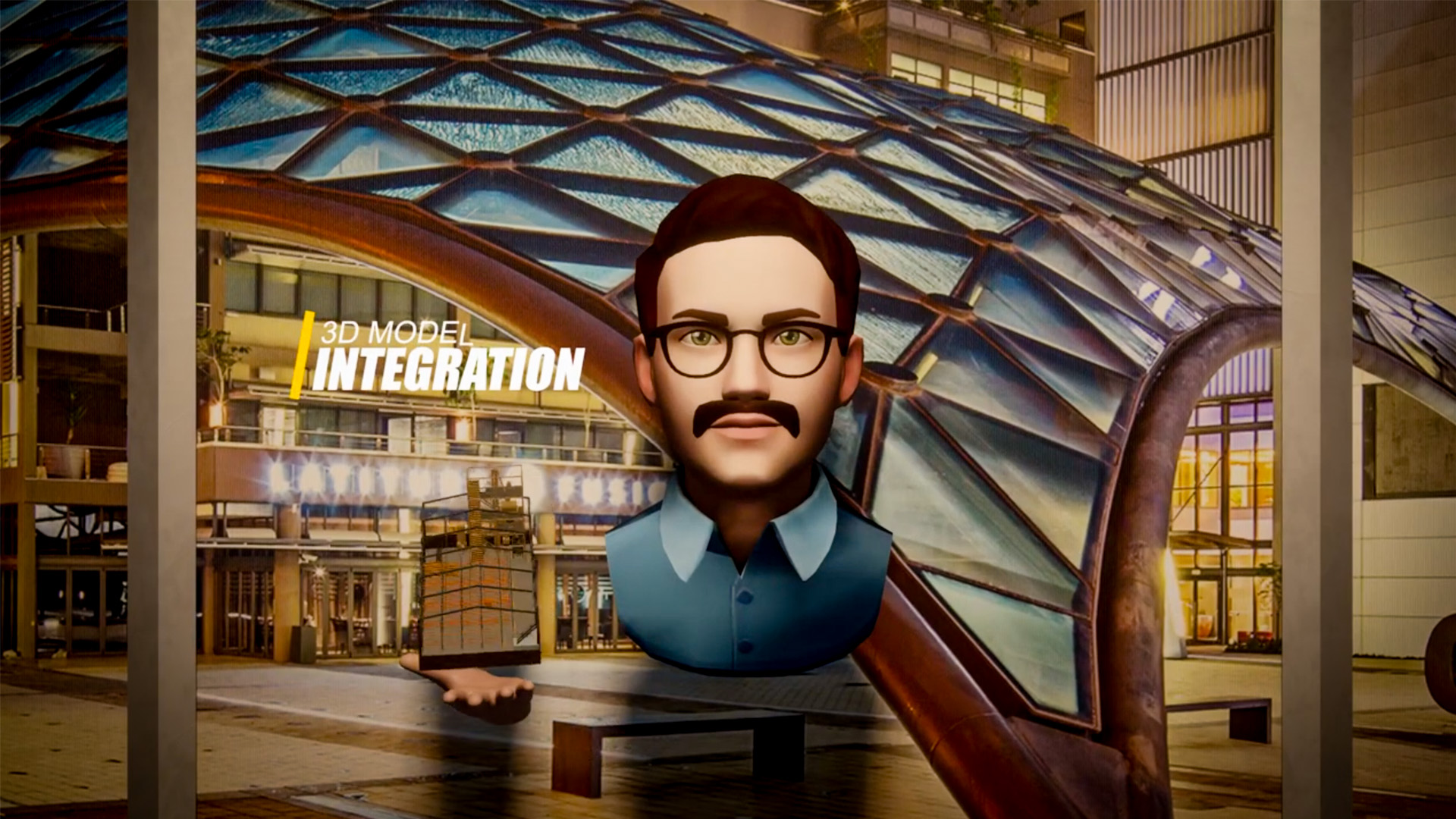
In the metaverse, avatars represent more than just digital stand-ins'they are a reflection of one's professional identity. Employees can create custom avatars that mirror their real-world appearance or opt for a more stylized representation that expresses their personality. This freedom of self-expression is a key aspect of virtual workspaces, allowing individuals to craft their professional personas in ways that transcend physical limitations.
Avatars also democratize the workplace. In a virtual environment, factors like age, gender, and physical appearance become less significant. What matters most is how employees engage with their work and collaborate with their colleagues. This shift can help foster inclusivity and reduce unconscious biases, creating a more equitable workplace.
How Personalized Virtual Spaces Foster Engagement and Creativity
Virtual offices in the metaverse are not one-size-fits-all. They can be tailored to suit the specific needs and preferences of employees, creating a more engaging and inspiring environment. Whether it's customizing a virtual desk setup, adding interactive elements like live data feeds, or designing breakout rooms for brainstorming sessions, personalization fosters a sense of ownership and creativity.
Personalized spaces also enhance well-being. Employees can design calming environments that help reduce stress, or choose inspiring landscapes that fuel their imagination. This level of customization is unique to virtual environments and can play a significant role in boosting productivity and job satisfaction.
The Psychological Impact of Avatars on Employee Interactions and Team Dynamics
Avatars have a profound psychological impact on how employees interact with one another. Research shows that the way people perceive themselves in virtual environments can influence their behavior and attitudes in the real world. In a professional context, this means that employees who feel confident and empowered through their avatars are likely to bring those qualities into their work.
The use of avatars also affects team dynamics. In virtual workspaces, employees can communicate more naturally through gestures and body language, fostering stronger interpersonal connections. These non-verbal cues are critical for building trust and camaraderie, which are often harder to cultivate in remote work settings.
Tools and Technologies Powering Virtual Offices
Key Platforms and Software for Building Virtual Offices
A variety of platforms and software solutions are driving the creation of virtual offices in the metaverse. Some of the most prominent platforms include Meta's Horizon Workrooms, Microsoft Mesh, and Spatial. These platforms provide the infrastructure for immersive workspaces, offering tools for real-time collaboration, file sharing, and project management.
Each platform has its unique strengths. Horizon Workrooms, for instance, integrates seamlessly with Meta's Oculus VR headsets, providing a user-friendly interface for virtual meetings and collaboration. Microsoft Mesh, on the other hand, focuses on integrating mixed reality into existing workflows, allowing for collaboration across VR, AR, and traditional desktop interfaces.
How Blockchain, AI, and 5G Are Supporting the Metaverse Workplace
Blockchain technology plays a critical role in the metaverse by enabling secure transactions, verifying identities, and facilitating decentralized work environments. In virtual offices, blockchain can be used to track project ownership, manage contracts, and even distribute payments to freelancers and contractors across borders without the need for intermediaries.
Artificial intelligence (AI) is another driving force behind virtual offices, powering everything from smart virtual assistants to automated project management tools. AI can help streamline workflows, analyze team performance, and even simulate complex project scenarios to guide decision-making.
The advent of 5G technology has further accelerated the growth of the metaverse. With faster internet speeds and lower latency, 5G enables seamless interactions in virtual environments, making virtual offices more responsive and accessible than ever before.
The Future of Virtual Work Technologies: What to Expect
As virtual work technologies continue to evolve, we can expect even more advanced tools to emerge. Holographic communication, for example, could soon allow employees to project 3D representations of themselves into virtual offices, adding a new dimension to remote work. Similarly, advancements in AI and machine learning will lead to more intuitive virtual assistants that can anticipate employee needs and automate routine tasks.
We are also likely to see a greater convergence between the physical and virtual worlds. With AR glasses becoming more mainstream, employees could seamlessly transition between their physical workspace and a virtual office, blurring the lines between the two.

Challenges and Considerations in Adopting Virtual Workspaces
Addressing Technical and Infrastructure Barriers
Despite the promise of virtual offices, there are still significant technical challenges to overcome. Not all employees have access to the high-performance hardware required for immersive virtual environments, and the quality of internet connections can vary greatly depending on location. For the metaverse to become a viable option for mainstream work, these technical barriers need to be addressed.
Companies will need to invest in upgrading their digital infrastructure to support virtual offices, including providing employees with the necessary hardware and ensuring secure, high-speed internet access.
Overcoming Security and Privacy Concerns in the Metaverse
Security and privacy are paramount concerns in the metaverse. As more businesses adopt virtual workspaces, the risk of cyberattacks, data breaches, and identity theft increases. Blockchain technology offers some solutions by providing secure, decentralized systems for managing transactions and verifying identities, but more robust security measures will be needed to protect sensitive company data.
The question of privacy becomes more complex in a virtual office. Employers must balance the need for monitoring employee productivity with respect for individual privacy, particularly as virtual offices enable greater tracking of movements and interactions.
The Human Element: Adapting to a Fully Virtual Work Environment
While technology can create incredible possibilities, the transition to a fully virtual work environment also requires employees to adapt on a human level. Not everyone is comfortable with virtual spaces or avatars, and there can be a learning curve in navigating these new environments. Companies must invest in training and provide support for employees to ease this transition.
Additionally, maintaining the human connection in a virtual world can be challenging. Despite the immersive nature of virtual offices, there's still the risk of feeling isolated or disconnected from colleagues. Employers will need to find ways to foster camaraderie and team spirit in these digital environments.
The Impact of Virtual Offices on Work-Life Balance
How Virtual Workspaces Redefine Flexibility and Autonomy
Virtual offices provide unprecedented flexibility for employees, allowing them to work from anywhere at any time. This autonomy is one of the most significant benefits of virtual workspaces, enabling employees to tailor their work schedules around personal commitments, reducing stress, and improving overall job satisfaction.
In a virtual office, employees can "commute" to work by simply logging in, saving valuable time and reducing the environmental impact associated with traditional commuting. This level of flexibility is particularly beneficial for working parents, individuals with disabilities, and employees in geographically remote locations.
The Role of Virtual Offices in Reducing Burnout and Fatigue
Burnout has become a pervasive issue in the modern workplace, particularly in remote work settings where the lines between professional and personal life often blur. Virtual offices, however, offer new opportunities to mitigate burnout. By creating more engaging and interactive environments, virtual offices help combat the monotony of remote work.
Virtual offices allow for more flexible breaks and downtime, enabling employees to step away from their virtual desks and recharge without the constraints of a physical office. Companies can also design virtual wellness spaces, where employees can meditate, exercise, or engage in team-building activities to reduce stress and fatigue.
Managing the Boundaries Between Virtual Work and Personal Life
While virtual offices offer greater flexibility, they can also make it more difficult for employees to separate work from personal life. The ease of access to virtual workspaces means that employees may feel pressured to be constantly available, leading to potential overwork.
To address this, companies need to establish clear boundaries and expectations around work hours, encouraging employees to "log off" at the end of the day. Virtual offices should also include features that support work-life balance, such as scheduling tools that prevent meetings from being scheduled outside of designated work hours.
The Future of Corporate Culture in the Metaverse
Fostering Community and Belonging in a Virtual Environment
Corporate culture is a critical component of any organization, and building a strong culture in the metaverse requires intentional effort. Virtual offices offer unique opportunities to foster community and belonging by creating immersive, interactive spaces where employees can connect, socialize, and collaborate.
Whether it's hosting virtual team-building exercises, celebrating achievements in digital spaces, or simply creating virtual break rooms where employees can chat informally, the metaverse provides new ways to nurture relationships and build a sense of camaraderie.
The Role of Gamification and Social Features in Team Building
Gamification is emerging as a powerful tool for team building in virtual workspaces. By incorporating elements of play into the workplace'such as virtual challenges, rewards, and leaderboards'employers can create a more engaging and enjoyable work environment.
Social features, such as virtual lounges and collaborative games, also help employees bond and foster relationships that may be harder to build in a traditional remote work setting. These features tap into the psychological need for social interaction, which is essential for maintaining a healthy and productive workplace culture.
How Corporate Training and Onboarding Will Evolve in the Metaverse
Training and onboarding are key areas that stand to benefit from the metaverse. Instead of traditional, often passive learning methods, companies can use VR and AR to create immersive, interactive training programs. Employees can "learn by doing" in a virtual environment, whether it's practicing technical skills, conducting virtual walkthroughs, or participating in simulated real-world scenarios.
Onboarding also becomes more engaging in the metaverse. New employees can be introduced to the company culture through virtual tours of the office, meet their colleagues in immersive environments, and participate in interactive training sessions, all of which help them feel connected and integrated into the company from day one.
The Long-Term Potential of the Metaverse for the Future of Work
The metaverse holds immense potential for reshaping the future of work. It offers a more flexible, immersive, and engaging alternative to traditional office environments, breaking down geographical barriers and enhancing collaboration in ways that were previously unimaginable. As virtual offices and remote collaboration become more widespread, businesses will need to adapt to these new possibilities and harness the power of the metaverse to stay competitive.
What Businesses Should Prepare for as the Metaverse Becomes Mainstream
As the metaverse moves closer to mainstream adoption, businesses should prepare by investing in the necessary technologies and infrastructure to support virtual workspaces. This includes providing employees with access to VR and AR hardware, implementing robust security measures, and offering training to help employees navigate this new digital landscape.
Businesses should consider the cultural and psychological aspects of virtual work, ensuring that their employees remain engaged, connected, and supported in a fully digital environment.
Final Thoughts on Embracing Virtual Offices and Remote Collaboration in the Digital Age
The rise of virtual offices and remote collaboration in the metaverse marks a significant shift in the way we work. While there are challenges to overcome, the benefits are clear: greater flexibility, enhanced collaboration, and more engaging work environments. As we continue to explore the possibilities of the metaverse, it's essential for businesses to embrace this shift and unlock the full potential of virtual workspaces in the digital age.
