

Setting the Stage for the VR Revolution in Entertainment
Virtual reality (VR) has ushered in a tectonic shift across the entertainment landscape, fundamentally reshaping how audiences consume content. No longer confined to the flat, two-dimensional screens of cinemas or televisions, VR offers a multisensory experience that effectively dissolves the boundary between viewer and performer. This groundbreaking technology transforms entertainment from a passive spectator activity into an interactive event, immersing individuals in a world where they can feel as if they are truly present. In a culture increasingly driven by the desire for escapism, VR provides an unparalleled sense of immersion that allows users to engage with narratives in a profoundly personal way. This revolution spans multiple sectors'from cinema and gaming to live events and beyond'catering to the modern audience's insatiable appetite for deeper, more meaningful engagement.
Why VR is More Than Just a Fad: A Glimpse Into Its Evolution
VR's presence in the entertainment realm is not merely a passing trend; it is the culmination of decades of technological evolution and innovation. Early prototypes from the 1980s and 90s, such as the Virtuality Group's arcade machines, hinted at VR's potential but were hampered by the limitations of their hardware, relegating them to the fringes of entertainment. The recent emergence of affordable and user-friendly headsets, like the Oculus Quest, has democratized access to VR, bringing it into the homes of millions. Today, companies worldwide are investing heavily in the development of VR platforms and experiences, leading to an increased integration of this technology into various entertainment forms. As VR continues to advance, it transcends novelty and gimmicks, positioning itself as a permanent fixture within the entertainment industry, promising an exciting future where storytelling knows no bounds.
The Rise of VR in Movies and TV Shows
Immersive Cinematic Experiences: How VR Brings Audiences Into the Story
Traditional film techniques have long relied on editing, framing, and narrative cues to evoke emotions in viewers. However, virtual reality (VR) takes storytelling to an unprecedented level by immersing audiences directly within the plot. Films specifically designed for VR envelop viewers in rich, 360-degree environments, allowing them to explore the narrative from every angle as the story unfolds around them. This innovation fosters a new form of empathy-driven storytelling, where viewers no longer feel like distant observers but become integral participants in the experience. Imagine watching a gripping war drama where explosions erupt behind you, forcing you to turn your head in reflex, or a sci-fi thriller where you follow an alien's movements, feeling as if you're part of the action. This heightened sense of agency and immersion elevates storytelling, making VR cinema an entirely new frontier for filmmakers, pushing them to explore narrative structures that were previously unimaginable.
Behind the Scenes: VR's Role in Film Production and Previsualization
Beyond its impact on audiences, VR is revolutionizing the way filmmakers approach production. The technology plays a crucial role in enhancing production workflows, particularly in previsualization. With VR, directors and cinematographers can step into virtual sets long before shooting begins, allowing them to visualize and plan complex shots and choreography in a fully immersive space. Studios are increasingly leveraging VR to visualize special effects and ensure seamless integration with live-action footage. This innovative approach minimizes costly mistakes during production, providing creative teams with greater freedom to experiment with angles, lighting, and pacing. As more filmmakers embrace VR technology in their production processes, we can expect a new wave of visually stunning movies that are thoughtfully designed with immersive techniques in mind, ultimately redefining the cinematic landscape.
VR and Live Performances: Transforming Concerts and Events
Virtual Concerts: How Music Artists are Reaching Global Audiences
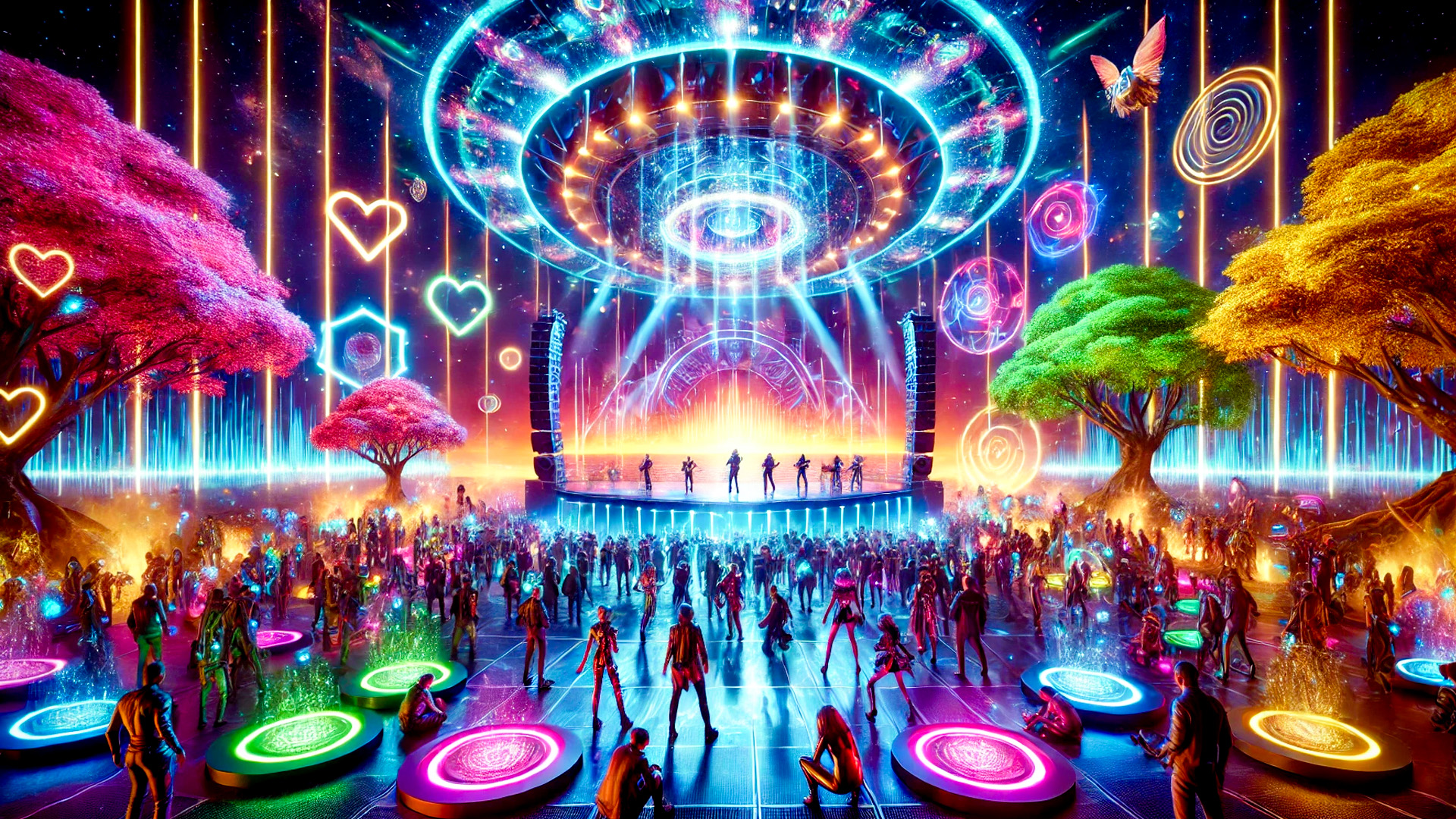
Virtual concerts are revolutionizing the experience of live music, transforming how fans engage with their favorite artists. With the power of virtual reality (VR), music lovers from around the globe can attend concerts in real-time, eliminating the need for travel and associated expenses. Platforms like Wave and Fortnite have pioneered this movement, hosting major VR concerts where attendees can navigate dynamic virtual venues, interact with avatars of fellow fans, and even participate in the performance itself. This democratization of live events enables artists to reach wider audiences, breaking geographical barriers while offering fans a unique and personalized concert experience. Imagine attending a concert on a stunning mountaintop stage, surrounded by breathtaking landscapes, or finding yourself in a vibrant, neon-lit fantasy world filled with mesmerizing visuals and interactive elements. Such immersive experiences foster deeper connections between artists and audiences, allowing for a shared sense of community that transcends traditional concert settings.
The Future of Theatre: VR Plays and Interactive Storytelling
Theatre is also undergoing a remarkable transformation thanks to VR technology, ushering in a new era of interactive plays that engage audiences in unprecedented ways. Rather than simply sitting passively in the audience, viewers become integral characters within the production, able to influence the storyline and interact with actors in real-time. This participatory form of storytelling creates an immersive experience that blurs the lines between performer and spectator, inviting individuals to explore narratives from multiple perspectives. As VR theatre continues to evolve, it promises to captivate new generations, merging classic storytelling techniques with the excitement of interactivity. By redefining how stories are told and experienced, VR theatre holds the potential to revitalize the medium, making it accessible and engaging for a diverse range of audiences.
Gaming Redefined: The VR Revolution in Interactive Entertainment
Full-Body Immersion: From Traditional Gaming to VR Worlds
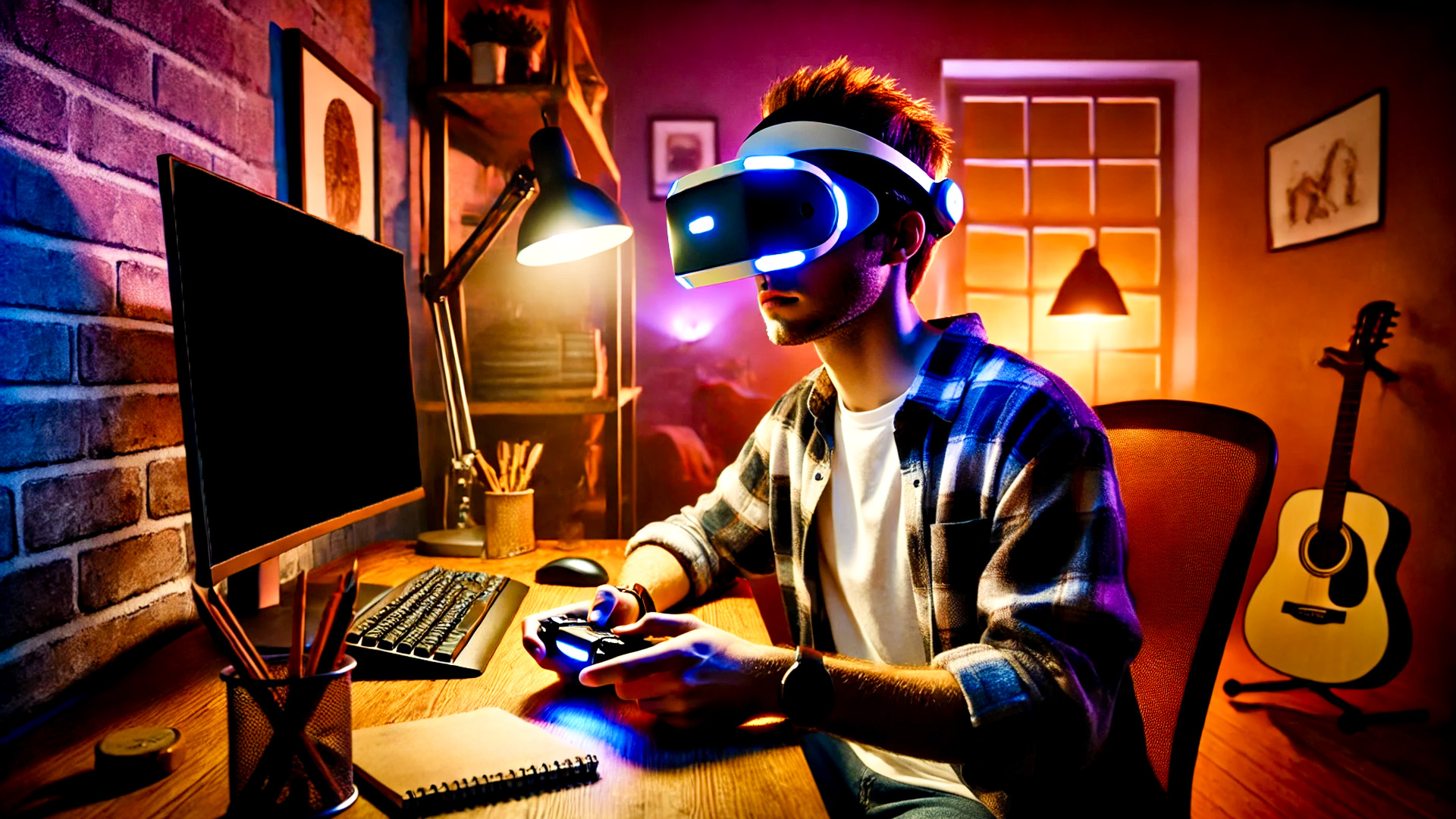
Video games have long served as a portal to fantasy worlds, providing players with the opportunity to escape reality. However, virtual reality (VR) takes this immersion to unprecedented levels, transforming the way players engage with their favorite games. In VR, players are no longer relegated to pressing buttons to control avatars; instead, they become the characters themselves. Equipped with full-body tracking, motion controllers, and haptic feedback suits, VR games stimulate multiple senses, creating an experience that feels astonishingly physical. Whether you're slashing enemies with a sword in Blade & Sorcery or piecing together clues to solve intricate puzzles in The Room VR, the sense of presence is unparalleled. The thrill of physically moving through a virtual space and interacting with the environment adds layers of excitement and realism. VR has redefined gaming as a deeply personal experience, where every victory feels more rewarding, and each challenge feels more tangible and urgent. This shift towards full-body immersion not only enhances gameplay but also empowers players to explore their creativity and agency in ways that traditional gaming simply cannot offer.
Social VR Gaming: Creating Communities in Virtual Spaces
The social aspect of gaming has found a vibrant new home within VR environments, fostering a sense of community among players. Games like Rec Room and VRChat enable users to create customized avatars, design their own environments, and interact with others in shared virtual spaces. These social VR platforms extend beyond mere competitive gameplay, offering rich experiences that mimic real-world interactions. Friends separated by vast distances can meet in virtual settings, explore immersive virtual museums, or watch movies together while lounging in a cozy VR space. This blending of gaming and social interaction not only fosters new communities but also deepens interpersonal connections, making VR a significant tool for social bonding. As players engage in shared experiences, they form lasting friendships, support networks, and collaborative adventures, enriching the overall gaming experience in an ever-expanding digital universe.
The Theme Park Experience Elevated Through VR
How VR Rides are Enhancing the Thrills
Theme parks are increasingly harnessing the power of virtual reality (VR) to elevate traditional attractions, adding thrilling layers of virtual elements to enhance the overall experience. Imagine the exhilaration of soaring through a rollercoaster while chasing dragons or navigating a spacecraft through perilous meteor fields'experiences that are made possible through the seamless integration of VR technology. Renowned attractions at Universal Studios and Europa-Park have begun employing VR headsets to create hyper-immersive rides that blend the adrenaline of physical motion with the surreal visuals of fantastical virtual worlds. Riders are not just passive observers; they are active participants in a narrative, heightening the thrill and excitement of each ride. These innovative hybrid attractions ensure that every experience feels new, fresh, and exhilarating, captivating both new visitors and seasoned theme park enthusiasts alike. With the addition of VR, theme parks are transforming the way we perceive and enjoy rides, setting a new standard for what thrill-seekers can expect.
Blending Physical and Virtual: The Role of Augmented Reality in Theme Parks
While VR rides often dominate the headlines, augmented reality (AR) is also making significant inroads in enhancing the theme park experience. AR technology overlays digital content onto physical environments, creating opportunities for interactive scavenger hunts, gamified experiences, and dynamic exhibitions that engage guests in unique ways. For instance, park visitors can unlock hidden stories by scanning objects with their smartphones or interact with AR characters as they explore various attractions. This fusion of VR, AR, and real-world experiences pushes the boundaries of what theme parks can offer, creating a rich tapestry of entertainment that keeps visitors coming back for more. As technology continues to evolve, the integration of AR in theme parks ensures that the experiences remain fresh and exciting, inviting guests to discover something new with each visit.
VR in Sports and Esports: Bringing Fans Closer to the Action
Watching Sports Through a New Lens: VR Broadcasting
The landscape of sports broadcasting is undergoing a transformative metamorphosis, largely driven by the advent of virtual reality (VR) technology. Fans can now enjoy games from the perspective of the athletes themselves or experience 360-degree replays from vantage points previously reserved for coaches and sideline personnel. Imagine feeling as if you're sitting courtside at an NBA game or standing right on the sidelines during a Premier League match'all from the comfort of your home. This shift in how sports are consumed introduces a new layer of excitement, immersing fans in the action and providing them with a sense of being on the field rather than merely observing from a distance. Such immersive viewing experiences deepen emotional connections to the game and create a more engaging atmosphere for fans, enhancing their overall enjoyment and understanding of the sport. As VR technology continues to advance, it promises to revolutionize the way we experience live events, offering unparalleled access and engagement.
Training and Performance: How Athletes Use VR for Competitive Edge
Athletes are increasingly embracing VR technology as a crucial component of their training routines, leveraging its capabilities to gain a competitive edge. VR simulations enable players to practice specific plays, visualize complex strategies, and hone their mental focus without the physical strain associated with traditional training. In motorsports, for instance, drivers utilize VR rigs to familiarize themselves with new tracks and refine their racing techniques before race day. Similarly, football players can immerse themselves in game footage in VR, replaying pivotal moments from their perspective to analyze decisions and improve their gameplay. This technology not only enhances training efficiency but also significantly reduces injury risks by allowing athletes to refine their skills in a controlled environment. As more athletes integrate VR into their training regimens, the potential for improved performance and smarter decision-making on the field becomes increasingly tangible, marking a new era in sports training and competition.

Challenges and Opportunities in VR Entertainment
Overcoming Technical Hurdles: Accessibility and Hardware Costs
Despite the transformative potential of virtual reality (VR), the industry faces significant challenges that hinder its widespread adoption. One of the primary obstacles is the high cost of quality VR headsets, which can be prohibitive for many consumers. Additionally, the requirement for powerful hardware to run VR experiences effectively excludes a substantial segment of potential users, creating a technological divide. Developers are also grappling with issues related to motion sickness, a concern that affects a notable portion of the population and can discourage users from engaging with VR content. However, as technology advances, the landscape is shifting. Manufacturers are beginning to produce more affordable headsets, while innovations such as wireless tracking and improved frame rates are being introduced to alleviate user discomfort. As these barriers diminish, the potential for VR to penetrate mainstream markets grows. Addressing these technical challenges will be crucial for the future of VR, ensuring that it becomes accessible to a wider audience and fostering a more inclusive virtual ecosystem.
The Ethical Debate: How Far is Too Far in Immersive Entertainment?
As VR technology blurs the lines between reality and simulation, a range of ethical concerns has emerged, prompting important discussions within the industry. The deeper the immersion, the more powerful and impactful the experience becomes, raising questions about the emotional and psychological effects of intense VR content. Could hyper-realistic simulations lead to desensitization, particularly in scenarios depicting violence or trauma? Should there be limits on the types of experiences that can be created and shared? As VR entertainment continues to evolve, industry leaders are tasked with striking a delicate balance between pushing the boundaries of innovation and upholding ethical responsibilities. Ensuring that virtual worlds remain safe, positive, and inclusive spaces for users is essential to the technology's long-term viability and acceptance. Addressing these ethical dilemmas proactively will help shape a responsible future for immersive entertainment, fostering trust and engagement among users.
The Future of VR Entertainment: What's Next on the Horizon
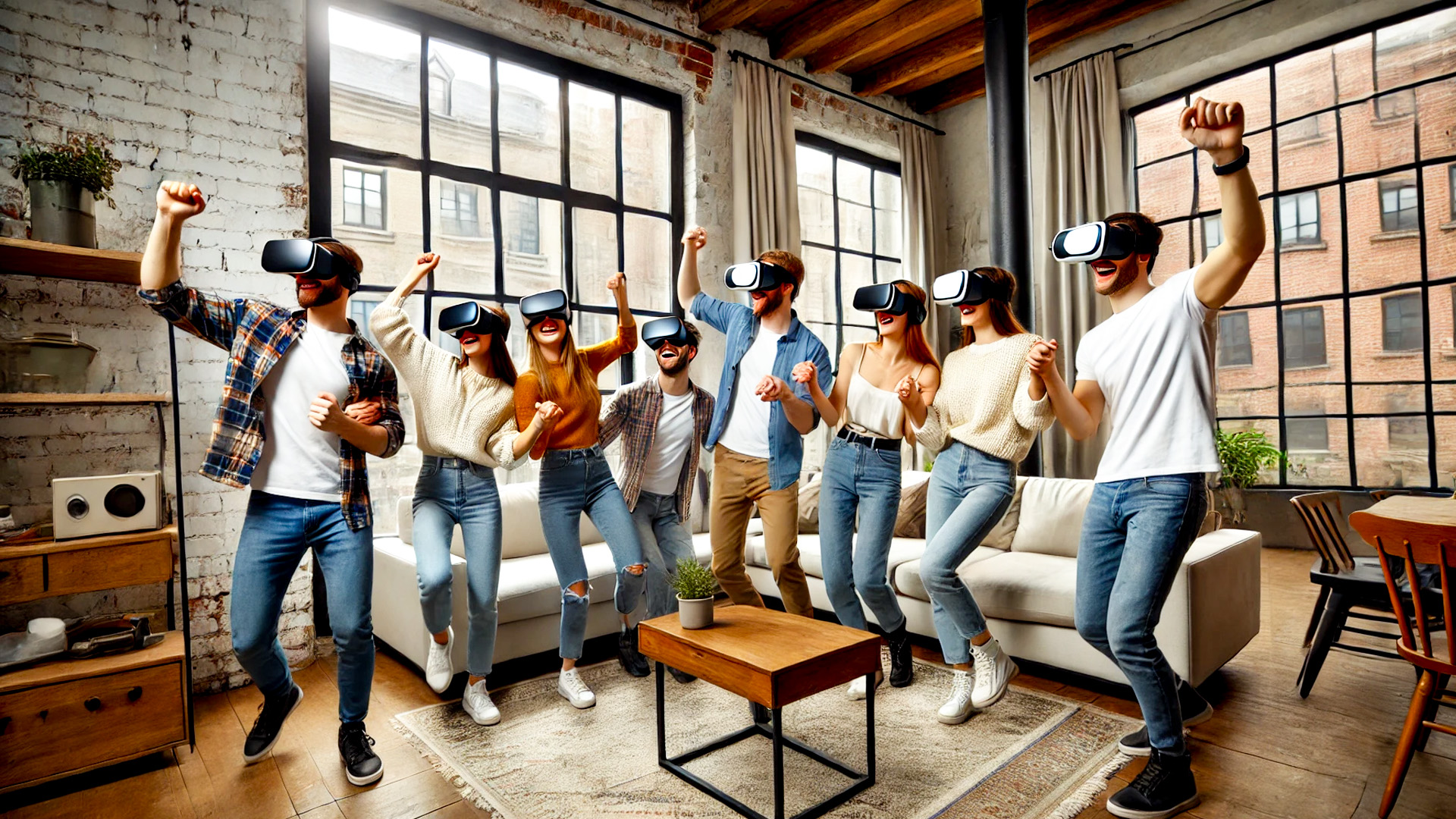
The future of virtual reality (VR) entertainment is brimming with thrilling possibilities that promise to reshape our experiences in unprecedented ways. As the technology matures, we can anticipate the emergence of new forms of content that transcend traditional boundaries, offering experiences that are not only interactive but also deeply emotionally resonant. Innovations in artificial intelligence and cloud computing will play pivotal roles in enhancing VR, allowing for more personalized experiences tailored to individual preferences and interests. Imagine a world where your favorite stories adapt in real time based on your emotional responses or where you can step into a fully immersive environment that feels uniquely crafted for you. As the entertainment industry stands on the cusp of this new era, the fusion of virtual and physical realities will become more seamless, blurring the lines between what is real and what is imagined. This evolution will likely open up new creative avenues for artists, storytellers, and developers, fostering a richer landscape of immersive entertainment.
Final Thoughts: Will VR Become the New Norm in Entertainment?
While it is unlikely that VR will fully replace traditional entertainment mediums, it is certainly poised to become a dominant force in the industry. Its ability to provide unparalleled immersion and interactivity makes it a compelling alternative to conventional formats like television, film, and even live events. The entertainment sector is rapidly embracing this transformative technology, and as user adoption grows, VR could become as ubiquitous as streaming platforms have become today. Whether through groundbreaking films, engaging video games, or captivating live events, the allure of virtual reality is undeniable, signaling the dawn of an exciting new chapter in the world of entertainment. As audiences continue to seek more engaging and immersive experiences, VR is set to carve out a significant niche, shaping the future of how we consume and interact with content.
The Future Of Vr Entertainment Whats Next On The Horizon