

As the business landscape continues to evolve, Virtual Reality (VR) is becoming a cornerstone in modern corporate settings. What was once a novelty reserved for gaming and entertainment has now emerged as a transformative tool in the business world. The rise of VR in business settings is not merely about technological adoption; it is about redefining how we conduct meetings, make decisions, and collaborate across distances. The Virtual Reality boardroom is not just a glimpse into the future'it is rapidly becoming the new standard for corporate meetings. This shift promises not only to revolutionize the way we engage in business discussions but also to enhance productivity and foster a more inclusive, global corporate culture.
Understanding the Virtual Reality Boardroom
What is a Virtual Reality Boardroom?
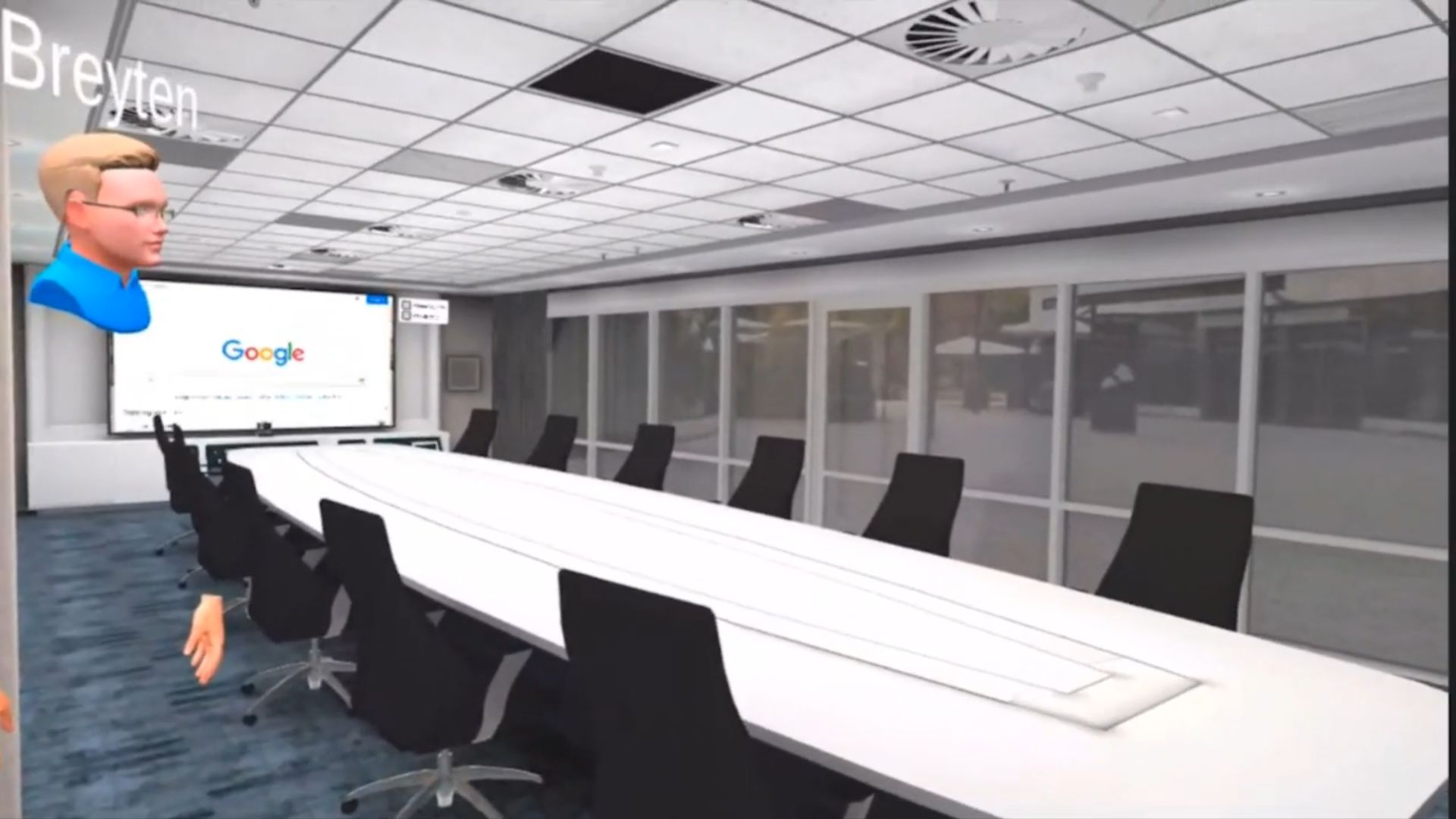
A Virtual Reality boardroom is a digital space that replicates or reimagines the traditional meeting room using immersive VR technology. In this environment, participants, regardless of their physical location, can interact as avatars in a shared virtual space. These boardrooms are designed to offer the same functionalities as a physical meeting space'such as presentations, discussions, and decision-making'while adding the unique benefits of VR, including enhanced interactivity and engagement. The VR boardroom transcends the limitations of video conferencing by creating a fully immersive experience, where participants feel as though they are in the same room, making collaboration more natural and effective.
Key Features of the Virtual Reality Boardroom Environment
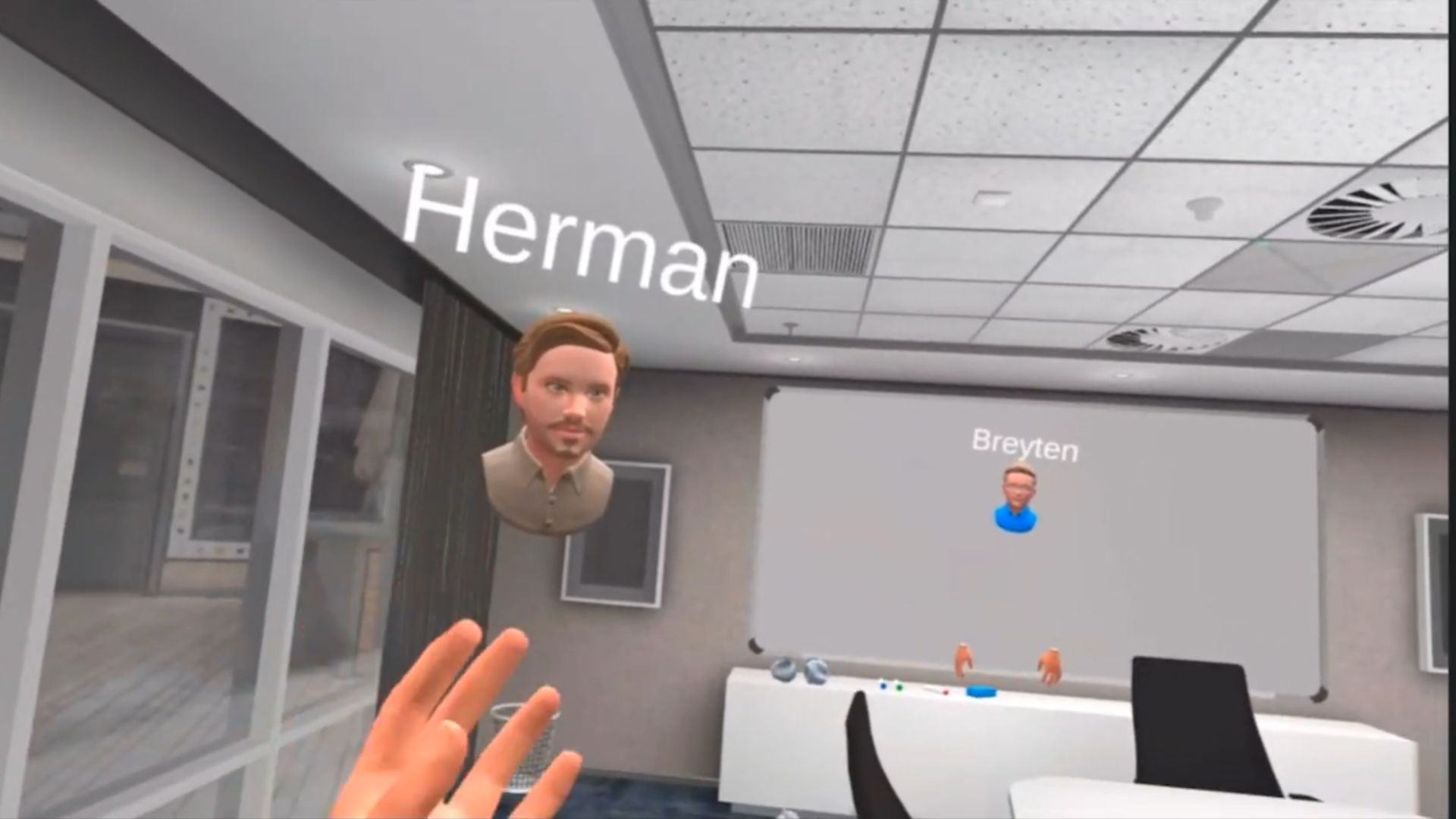
The Virtual Reality boardroom environment is equipped with several key features that distinguish it from traditional meeting spaces. High-definition graphics and 3D spatial audio create a realistic and engaging environment, allowing participants to feel fully immersed in the meeting. The use of avatars enables participants to express themselves with body language and facial expressions, adding a layer of personal interaction that is often missing in video calls. Additionally, the environment can be customized to suit the needs of the meeting, with options for virtual whiteboards, document sharing, and 3D model manipulation. These features make the VR boardroom a versatile tool that can be tailored to fit a wide range of meeting types and business needs.
How Virtual Reality Boardrooms Differ from Traditional Meeting Spaces
Virtual Reality boardrooms differ from traditional meeting spaces in several significant ways. Unlike physical boardrooms, VR spaces are not bound by geography or space constraints, allowing participants from around the world to meet and collaborate in real-time. The immersive nature of VR also means that participants are less likely to be distracted, leading to more focused and productive meetings. Furthermore, VR boardrooms can be designed to simulate any environment, from a conventional boardroom to a futuristic setting, providing a unique and engaging experience that can enhance creativity and innovation. These differences make VR boardrooms not just an alternative to traditional meetings, but a superior option in many cases.
Benefits of the Virtual Reality Boardroom Experience
Enhanced Collaboration and Communication Across Teams
One of the most significant benefits of VR boardrooms is the enhanced collaboration and communication they facilitate. In a VR environment, teams can work together in a way that feels more natural and interactive than in traditional video calls. Participants can manipulate 3D models, annotate documents in real-time, and use virtual whiteboards to brainstorm ideas collectively. This level of interaction helps to break down barriers between team members, fostering a more collaborative and inclusive environment. Additionally, the ability to see and respond to body language and facial expressions through avatars adds a level of personal connection that is often missing in remote meetings.
Breaking Down Geographical Barriers in Global Business Meetings
The Virtual Reality boardroom effectively eliminates geographical barriers, allowing companies to conduct global business meetings with ease. In a VR boardroom, it doesn't matter if participants are in different cities, countries, or even continents; everyone can meet in the same virtual space as if they were in the same room. This capability is particularly valuable for multinational companies, where coordinating in-person meetings across time zones can be challenging and costly. VR boardrooms enable businesses to operate more efficiently on a global scale, facilitating real-time collaboration and decision-making across diverse teams and markets.
Cost-Effective Solutions for Corporate Gatherings
Traditional corporate gatherings often come with significant costs, including travel, accommodation, and venue hire. By transitioning to VR boardrooms, companies can drastically reduce these expenses. The initial investment in VR technology is quickly offset by the savings from reduced travel and logistics costs. Moreover, VR meetings can be scheduled and organized with greater flexibility, as they do not require physical space or travel arrangements. This cost-effectiveness makes VR boardrooms an attractive option for companies looking to optimize their budgets while still maintaining high standards for corporate meetings.
Creating Immersive and Interactive Meeting Environments
The immersive nature of VR boardrooms creates a more engaging and interactive meeting environment than traditional setups. Participants can fully immerse themselves in the meeting, interacting with virtual objects, sharing multimedia presentations, and collaborating on projects in real-time. This level of interactivity not only makes meetings more dynamic but also helps to keep participants focused and engaged. The ability to create customized environments that match the meeting's objectives'whether it's a traditional boardroom, a creative studio, or a product showroom'adds a level of versatility that enhances the overall meeting experience.
Improved Focus and Engagement Among Participants
One of the common challenges in remote meetings is maintaining participant focus and engagement. VR boardrooms address this issue by creating an environment that minimizes distractions and encourages active participation. The immersive nature of VR requires participants to be fully present, reducing the likelihood of multitasking or disengagement. Additionally, the interactive features of the VR boardroom, such as real-time collaboration tools and customizable environments, keep participants involved and engaged throughout the meeting. As a result, VR boardrooms can lead to more productive and meaningful discussions, with participants more likely to retain and act on the information shared.

Use Cases for Virtual Reality in the Boardroom
Remote Team Meetings and Collaboration
VR boardrooms are particularly well-suited for remote team meetings, providing a space where team members can collaborate effectively despite being geographically dispersed. In a VR environment, teams can brainstorm, share ideas, and work on projects as if they were in the same physical space. This level of interaction helps to overcome the challenges of remote work, such as feelings of isolation and communication barriers, by fostering a sense of presence and connection among team members. VR boardrooms are ideal for agile teams that need to collaborate frequently and intensively, offering a platform that supports real-time interaction and decision-making.
Virtual Reality for Investor and Stakeholder Presentations
Investor and stakeholder presentations are critical to the success of any business, and VR boardrooms offer a unique way to make these presentations more impactful. By leveraging the immersive capabilities of VR, companies can create presentations that go beyond traditional slide decks, offering interactive 3D models, virtual tours, and real-time data visualization. These features allow companies to present complex information in a more engaging and understandable way, helping to build confidence and trust among investors and stakeholders. The ability to meet in a virtual space also means that these presentations can be conducted with participants from around the world, making it easier to reach a broader audience.
Training and Onboarding Sessions in the Virtual Boardroom
Training and onboarding are essential processes for any organization, and VR boardrooms provide an innovative way to conduct these sessions. In a virtual environment, new employees can be onboarded through interactive simulations and guided tours of the company's operations, even if they are working remotely. Training sessions can also be enhanced with VR by offering hands-on practice in a simulated environment, where employees can develop their skills in a risk-free setting. This approach not only improves the effectiveness of training but also helps to engage employees from the start, making them feel more connected to the company and its culture.
Conducting Virtual Workshops and Brainstorming Sessions
Workshops and brainstorming sessions thrive on creativity and collaboration, and VR boardrooms offer the perfect environment for these activities. In a VR setting, participants can work together in a shared virtual space, using tools like virtual whiteboards, sticky notes, and 3D models to generate and organize ideas. The immersive nature of VR helps to stimulate creativity by allowing participants to visualize concepts and interact with them in real-time. This level of engagement can lead to more productive brainstorming sessions, with participants more likely to contribute ideas and collaborate effectively.
Crisis Management and Emergency Response in a VR Setting
Crisis management requires quick decision-making and effective communication, and VR boardrooms can play a critical role in facilitating these processes. In a virtual environment, crisis teams can meet immediately, regardless of their physical location, to assess the situation, share information, and develop response strategies. The immersive nature of VR allows teams to simulate different scenarios and visualize the impact of their decisions in real-time, helping them to make informed choices. VR boardrooms also provide a secure environment for discussing sensitive information, ensuring that crisis management discussions remain confidential and protected.
Technology Behind the Virtual Reality Boardroom
Overview of the VR Hardware and Software Required
Creating an effective VR boardroom requires the right combination of hardware and software. On the hardware side, VR headsets are the most critical component, with devices like the Oculus Rift, HTC Vive, and Microsoft HoloLens offering different levels of immersion and interactivity. These headsets are often paired with motion controllers or hand-tracking devices to allow participants to interact with the virtual environment. On the software side, platforms like Spatial, AltspaceVR, and Engage provide the virtual environments and tools needed for meetings, offering features such as 3D object manipulation, real-time collaboration, and customizable spaces. Together, these technologies create a seamless and immersive boardroom experience that can be tailored to meet the needs of any organization.
Choosing the Right Platform for Your Virtual Boardroom
Selecting the right platform for your virtual boardroom is essential to ensure that it meets your organization's needs. Factors to consider include the level of immersion required, the complexity of the tools and features, and the ease of use for participants. Some platforms, like Spatial, focus on creating highly immersive environments with advanced collaboration tools, making them ideal
for creative industries and design-focused meetings. Others, like Engage, offer a more straightforward interface with essential features for general business meetings. Additionally, it's important to consider the platform's compatibility with your existing communication tools and its ability to integrate with other software used by your organization.
Integrating VR with Existing Communication Tools
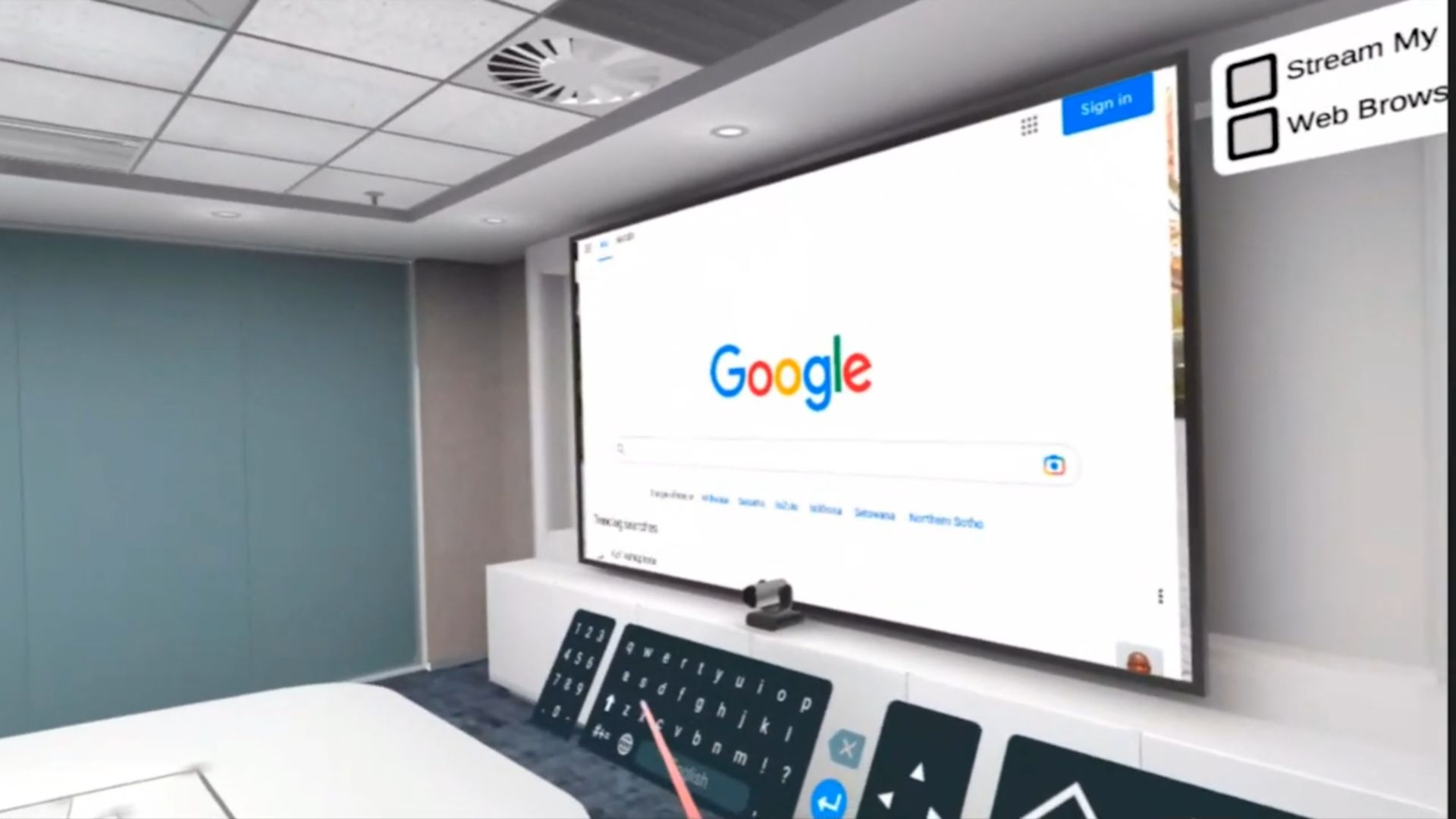
For VR boardrooms to be effective, they must integrate seamlessly with the existing communication tools used by your organization. This includes video conferencing software, project management platforms, and document-sharing tools. Many VR platforms offer integrations with popular tools like Zoom, Microsoft Teams, and Slack, allowing participants to join VR meetings directly from these applications. Additionally, VR boardrooms should support the sharing and editing of documents, presentations, and other materials in real-time, ensuring that all participants have access to the information they need during the meeting. By integrating VR with existing tools, organizations can create a more cohesive and efficient meeting experience.
Security and Privacy Considerations in Virtual Boardrooms
Security and privacy are critical considerations for any virtual boardroom, especially when discussing sensitive business information. VR platforms must offer robust security features, including end-to-end encryption, secure login protocols, and regular software updates to protect against vulnerabilities. Additionally, organizations should consider the privacy implications of using avatars and other virtual representations of participants, ensuring that personal data is protected and that participants' identities are secure. It's also important to establish guidelines for the use of VR boardrooms, including best practices for managing access to meetings and sharing information securely. By addressing these concerns, organizations can ensure that their VR boardrooms are not only effective but also safe and secure.
Challenges and Considerations in Adopting Virtual Reality Boardrooms
Overcoming Technological and Financial Barriers
Adopting VR boardrooms comes with several challenges, including technological and financial barriers. High-quality VR equipment and software can be expensive, and not all organizations may have the budget to invest in the latest technology. Additionally, the technical requirements for running VR meetings, such as high-speed internet and powerful computing hardware, may not be available to all participants. To overcome these barriers, organizations should carefully evaluate their needs and consider starting with more affordable or scalable VR solutions. Additionally, offering training and support for employees can help ensure that they are comfortable using the technology, increasing the likelihood of successful adoption.
Addressing User Comfort and Avoiding VR Motion Sickness
One of the challenges of using VR technology is ensuring user comfort, particularly in avoiding VR motion sickness. Some participants may experience discomfort during extended VR sessions, which can be a barrier to adoption. To address this issue, organizations should choose VR headsets that offer high-quality displays and ergonomic designs, reducing the likelihood of motion sickness. Additionally, it's important to design VR boardrooms with user comfort in mind, avoiding rapid movements or disorienting visuals that can trigger discomfort. Providing breaks during longer meetings and allowing participants to adjust settings, such as field of view and motion sensitivity, can also help improve comfort levels.
Ensuring Accessibility and Inclusivity in Virtual Meetings
Accessibility and inclusivity are essential considerations for any VR boardroom. Organizations must ensure that their virtual meetings are accessible to all participants, including those with disabilities. This may involve choosing VR platforms that offer accessibility features, such as voice commands, adjustable text sizes, and support for assistive devices. Additionally, it's important to consider the needs of participants who may not be comfortable with VR technology or who prefer other communication methods. Offering alternative ways to participate in meetings, such as through video or audio-only options, can help ensure that all team members can engage effectively in the virtual boardroom.
Training Employees to Effectively Use VR Boardrooms
Successful adoption of VR boardrooms requires that employees are trained to use the technology effectively. This includes not only learning how to navigate the virtual environment and use the tools provided but also understanding the best practices for conducting meetings in VR. Training should cover topics such as avatar etiquette, how to manage and share documents in a virtual space, and how to troubleshoot common technical issues. Providing ongoing support and resources, such as user guides and FAQs, can help employees feel more confident and comfortable with VR, leading to more effective and productive meetings.

Future of Virtual Reality Boardroom Experiences
Predicted Trends and Innovations in VR Boardrooms
The future of VR boardrooms is bright, with several exciting trends and innovations on the horizon. One of the most significant trends is the integration of augmented reality (AR) with VR, creating mixed reality environments that combine the best of both worlds. This could allow participants to interact with both virtual and real-world elements in the same meeting space, enhancing the overall experience. Another trend is the increasing use of artificial intelligence (AI) in VR boardrooms, with AI-driven tools providing real-time assistance, such as meeting transcriptions, language translation, and automated task management. As these technologies continue to evolve, VR boardrooms will become even more immersive, interactive, and efficient, offering new possibilities for corporate meetings.
The Role of Artificial Intelligence in Enhancing VR Meetings
Artificial intelligence is poised to play a significant role in enhancing VR meetings, offering tools and features that can improve productivity and collaboration. AI can be used to analyze meeting data in real-time, providing insights and recommendations to help participants make more informed decisions. For example, AI could identify patterns in discussions, suggest relevant information, or highlight key points that need further exploration. Additionally, AI-driven avatars could offer real-time feedback, such as correcting posture or suggesting alternative communication strategies, helping participants to present themselves more effectively in the virtual space. As AI becomes more integrated into VR boardrooms, it will likely become an essential tool for enhancing the overall meeting experience.
Long-Term Impact on Corporate Culture and Business Practices
The widespread adoption of VR boardrooms will likely have a significant impact on corporate culture and business practices. As companies increasingly rely on virtual environments for meetings and collaboration, traditional notions of the workplace may shift, with more emphasis on remote work and flexible schedules. This could lead to a more inclusive and diverse workforce, as employees are no longer tied to a specific location. Additionally, the use of VR boardrooms could change the way companies approach decision-making, with more opportunities for real-time collaboration and input from a broader range of stakeholders. Over time, these changes could lead to a more dynamic, innovative, and adaptable corporate culture.
Will Virtual Boardrooms Replace Traditional Meeting Spaces?
While VR boardrooms offer many advantages, it's unlikely that they will completely replace traditional meeting spaces. Instead, they are more likely to complement existing meeting options, providing a valuable alternative for situations where physical meetings are not feasible or necessary. For example, VR boardrooms may be preferred for international meetings, remote team collaboration, or situations where immersive visualization is needed. However, there will still be a place for in-person meetings, particularly for activities that require a high level of personal interaction, such as team building or complex negotiations. The future of corporate meetings will likely involve a blend of traditional and virtual options, with companies choosing the format that best suits their needs.
Recap of the Benefits and Opportunities with VR Boardrooms
The Virtual Reality boardroom experience offers a wealth of benefits and opportunities for modern businesses. From enhanced collaboration and communication to cost savings and global connectivity, VR boardrooms are transforming the way companies conduct meetings and make decisions. By leveraging the immersive and interactive capabilities of VR, organizations can create more engaging, productive, and inclusive meeting environments that support their business goals.
Encouraging Businesses to Explore Virtual Reality Meeting Solutions
As the technology continues to evolve, now is the time for businesses to explore the possibilities of VR boardrooms. While there are challenges to overcome, the potential benefits far outweigh the risks. By investing in VR technology and training employees to use it effectively, companies can stay ahead of the curve and position themselves for long-term success in an increasingly digital world.
Final Thoughts on the Future of the Corporate Boardroom Experience
The future of the corporate boardroom is undoubtedly virtual. As VR technology continues to advance, it will become an integral part of how businesses operate and collaborate. While traditional meeting spaces will still have their place, the flexibility, efficiency, and innovation offered by VR boardrooms make them a compelling option for companies looking to enhance their corporate meeting experience. By embracing the virtual boardroom, businesses can not only improve their operations but also create a more connected and dynamic corporate culture that is well-equipped for the challenges and opportunities of the future.
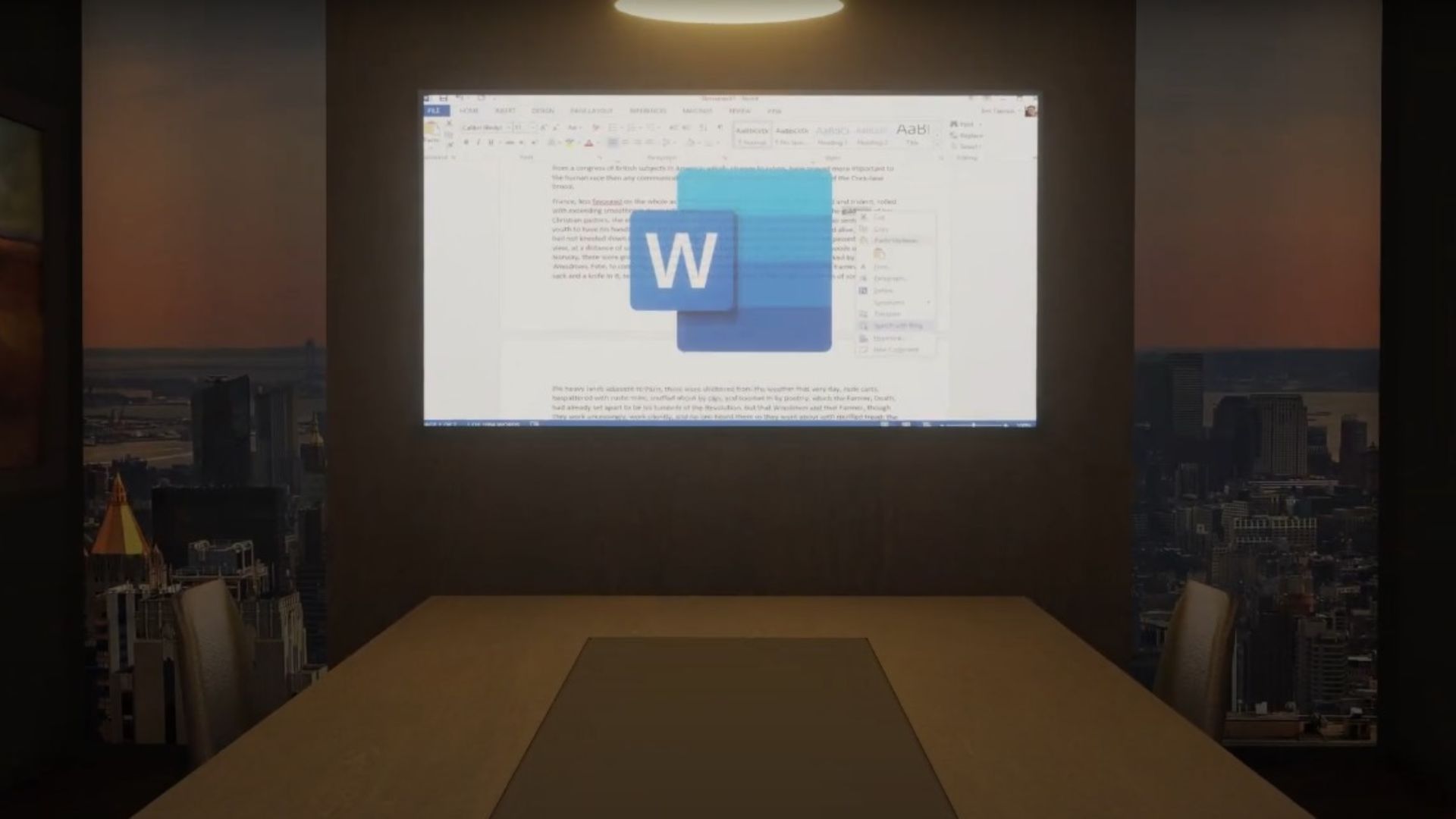
Virtual Reality Boardroom Example